
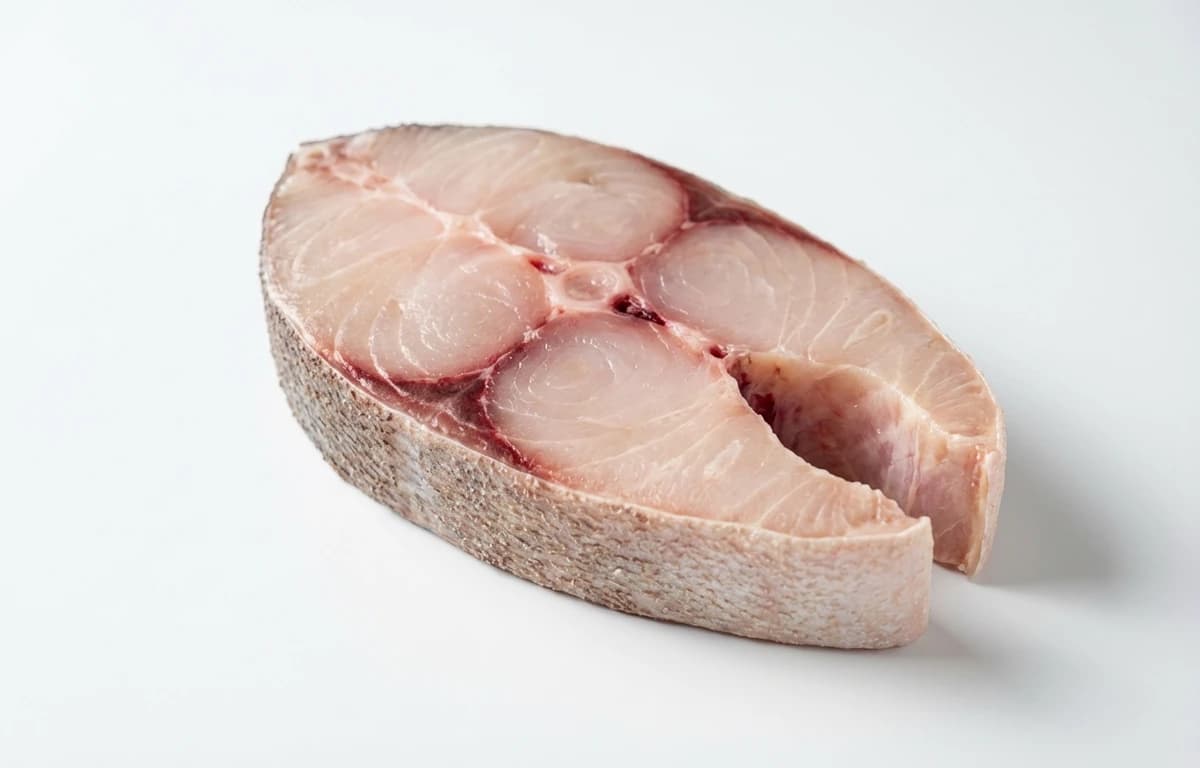
raw shark
Also known as: shark
Loading...
Also known as: shark
Per 100g
Nutrition data source: USDA FoodData Central
Common measurement equivalents in grams
Shark is a lean source of high-quality protein, providing about 21g per 100g serving. It contains heart-healthy omega-3 fatty acids and essential minerals like selenium and phosphorus. However, due to its position in the food chain, it should be consumed in moderation because of potential mercury levels.
Raw shark is low in calories and contains zero carbohydrates, making it suitable for various diets. A 100g serving provides approximately 130 calories and 4.51g of fat. This makes it an excellent option for those looking for high-protein, low-carb seafood.
Yes, shark is highly keto-friendly as it contains zero carbohydrates and is rich in protein. Its moderate fat content fits well within a ketogenic or low-carb lifestyle. It is best prepared with healthy fats like olive oil or butter to increase the fat-to-protein ratio.
In Islamic dietary laws, most scholars consider shark halal as it is a sea creature. However, in Jewish dietary law (Kashrut), shark is not kosher because it lacks scales, which is a requirement for fish to be considered clean.
Shark meat has a mild, slightly sweet flavor and a firm, meaty texture similar to swordfish or even chicken. Because it is lean, it can become dry if overcooked. It easily absorbs marinades and spices, making it versatile for various cuisines.
Sharks concentrate urea in their blood, which can turn into ammonia if the fish isn't processed quickly. To neutralize this smell and improve the flavor, soak the raw meat in milk, lemon juice, or saltwater for 30 minutes before cooking. This process helps draw out the urea and softens the texture.
raw shark is a versatile ingredient found in cuisines around the world. With 130 calories per 100g and 20.98 grams of protein, it's a nutritious addition to many dishes.
Explore more ingredients in the seafood category with complete nutrition information.
View all seafood →Shark is best prepared using high-heat methods like grilling, pan-searing, or broiling to highlight its firm texture. It is often cut into steaks or cubes for kebabs. Because it is lean, it should be cooked just until the flesh is opaque to prevent it from becoming tough.
Raw shark should be stored in the coldest part of the refrigerator and used within 1 to 2 days of purchase. Keep it tightly wrapped in plastic or in an airtight container to prevent it from absorbing other odors. If you don't plan to cook it immediately, it is best to freeze it.
Yes, raw shark freezes well and can last for 3 to 6 months if properly stored. Wrap the steaks tightly in plastic wrap and place them in a heavy-duty freezer bag to prevent freezer burn. Thaw slowly in the refrigerator overnight before cooking for the best texture.
Yes, shark is a long-lived apex predator and tends to accumulate higher levels of methylmercury than smaller fish. The FDA recommends that pregnant women, nursing mothers, and young children avoid shark. Others should limit consumption to occasional servings to minimize exposure.