
Meat
raw sitka venison.
VegetarianVeganGluten-freeDairy-freeNut-freePeanut-freeSoy-freeEgg-freeShellfish-freeHoney-freeAlcohol-freeHalalKosher
ALSO KNOWN AS
sitka venison
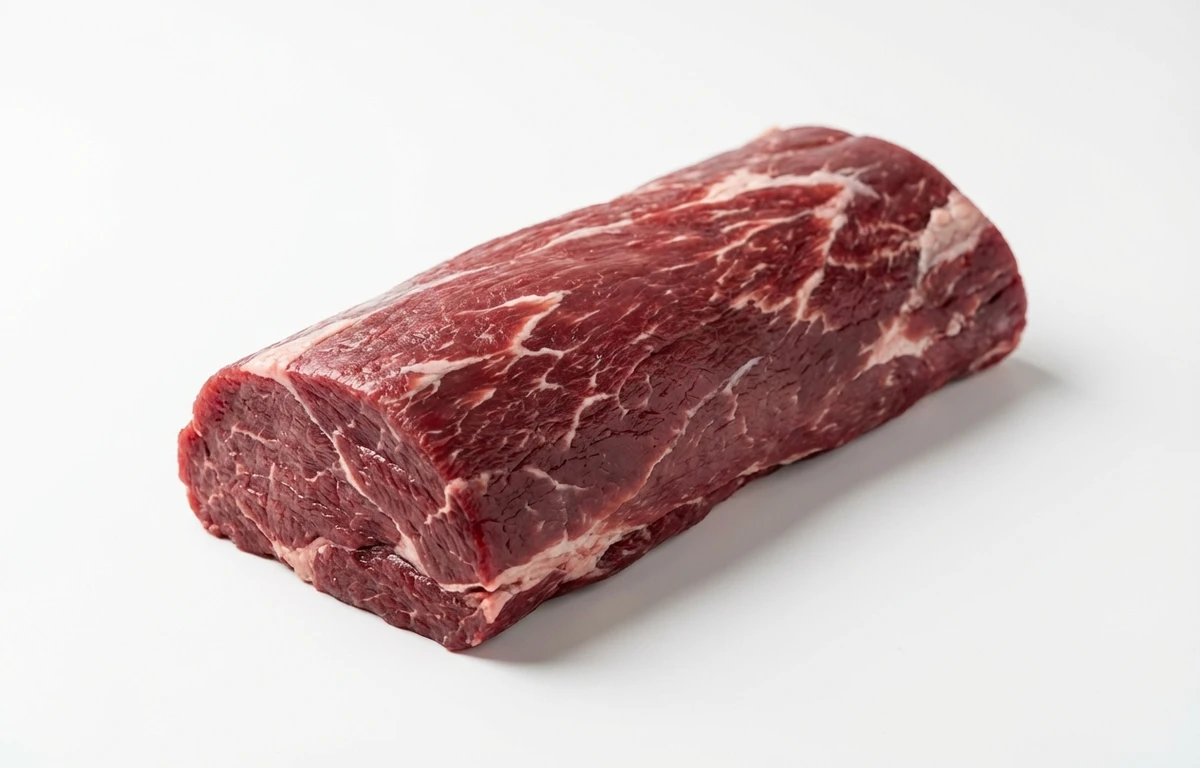
SERVING
CALORIES
116
PROTEIN
23g
CARBS
0g
FAT
2.4g
FIBER
0g
NUTRITION PROFILE · per 100 g
Everything in this ingredient.
MACRONUTRIENTS
Calories116kcal—
Protein23g46%
Carbohydrates0g0%
Fiber0g0%
Sugar0g0%
Total fat2.4g3%
Saturated fat1.0g5%
Trans fat0g—
Cholesterol85mg28%
Water74g—
MINERALS
Sodium54mg2%
Potassium318mg7%
Calcium5.0mg0%
Iron4.5mg25%
Magnesium24mg6%
Phosphorus202mg16%
Zinc4.0mg36%
Copper0.20mg22%
Manganese0.01mg0%
Selenium10µg18%
VITAMINS
Vitamin A0µg0%
Vitamin C0mg0%
Vitamin D0.10µg1%
Vitamin E0.20mg1%
Vitamin K1.1µg1%
Thiamin (B1)0.20mg17%
Riboflavin (B2)0.50mg38%
Niacin (B3)6.5mg41%
Pantothenic acid (B5)0.70mg14%
Vitamin B60.50mg29%
Folate (B9)5.0µg1%
Vitamin B122.8µg117%
%DV based on a 2,000 cal diet. Source: USDA FoodData Central. A dash in the %DV column means there’s no established Daily Value for that nutrient.
MEASUREMENT CONVERSIONS
How much is what.
1 cup150g
1 tablespoon9g
1 teaspoon3g
1 oz28.4g
1 lb453.6g
1 piece120g
HEALTH BENEFITS
Why eat it.
- ✓Excellent source of lean protein, which is crucial for muscle repair and growth, with significantly less fat and saturated fat than beef.
- ✓Rich in heme iron, a highly bioavailable form that helps prevent anemia and supports energy levels.
- ✓High in B vitamins, particularly Vitamin B12 for nerve function and Niacin (B3) for converting food into energy.
- ✓Provides essential minerals like zinc for immune support and phosphorus for bone health.
- ✓As a wild game meat, it is naturally free of antibiotics and added hormones, and its natural diet can result in a healthier fatty acid profile.
COOKING TIPS
In the kitchen.
- 1Do not overcook. Venison is very lean and will become tough and dry if cooked past medium-rare (130-135°F / 54-57°C).
- 2Use marinades with acidic components like wine, vinegar, or citrus to tenderize the meat and add moisture before cooking.
- 3For tender cuts like loin or tenderloin, use high-heat, quick-cooking methods like searing or grilling. For tougher cuts like shoulder or shank, use low-and-slow methods like braising or stewing.
- 4Allow the cooked venison to rest for 5-10 minutes before slicing. This allows the juices to redistribute, resulting in a more tender and flavorful meat.
STORAGE
Keep it fresh.
- Refrigerate raw venison at 40°F (4°C) or below and use within 2-3 days. Store on the bottom shelf in a sealed container to prevent drips and cross-contamination.
- For long-term storage, vacuum-seal or wrap tightly in freezer-safe paper or plastic and freeze at 0°F (-18°C). It can be stored for up to 9-12 months.
- Thaw frozen venison safely in the refrigerator over 24-48 hours, depending on the cut's size. Never thaw at room temperature.
FAQ
Frequently asked questions.
Is Sitka venison healthy?
Yes, Sitka venison is an exceptionally healthy lean protein. It contains only 2.4g of fat per 100g and is rich in heme iron, B vitamins, and zinc, which support energy levels, immune function, and muscle repair.
How much protein is in Sitka venison?
Sitka venison is highly protein-dense, providing approximately 23g of protein per 100g serving. With only 116 calories per serving, it offers one of the highest protein-to-calorie ratios among red meats.
Is Sitka venison keto-friendly?
Yes, Sitka venison is excellent for keto and low-carb diets as it contains 0g of carbohydrates. While it is leaner than beef, it can be paired with healthy fats like butter or olive oil to meet specific ketogenic macros.
Is Sitka venison gluten-free?
Raw Sitka venison is naturally 100% gluten-free. It is a pure animal protein, though you should always check the ingredients of any pre-packaged marinades or spice rubs you plan to use during cooking.
What does Sitka venison taste like?
Sitka venison is known for a mild, slightly sweet, and fine-grained texture compared to other deer species. Because of their coastal habitat and diet, the meat is often described as less 'gamey' than mainland mule deer or elk.
How do you cook Sitka venison without it getting tough?
Because it is extremely lean, Sitka venison should be cooked to medium-rare (internal temperature of 130-135°F). Overcooking will cause the meat to become dry and tough; use high-heat searing for steaks or low-and-slow braising for tougher cuts.
Can I substitute Sitka venison for beef in recipes?
Yes, it can be substituted for beef in most recipes, including stews, burgers, and steaks. However, because it lacks the fat content of beef, you may need to add a fat source or reduce the cooking time to prevent the meat from drying out.
How long does raw Sitka venison last in the fridge?
Fresh, raw Sitka venison typically lasts 3 to 5 days in the refrigerator when stored in its original packaging or an airtight container. For the best quality, keep it in the coldest part of the fridge, usually the bottom shelf.
Can you freeze Sitka venison?
Yes, venison freezes very well. When vacuum-sealed or tightly wrapped in freezer paper to prevent freezer burn, it can maintain its quality for 6 to 12 months in the freezer.
Is Sitka venison better for you than beef?
Nutritionally, Sitka venison is superior to most beef cuts regarding fat and calorie content. It is a wild-harvested meat, meaning it is naturally free of antibiotics and hormones, and it contains higher levels of iron and B vitamins than typical grain-fed beef.



















