
Loading...
Per 100g
Nutrition data source: USDA FoodData Central
Common measurement equivalents in grams
Yes, Spanish mackerel is highly nutritious. It is an excellent source of high-quality protein and is exceptionally rich in Omega-3 fatty acids (EPA and DHA), which are vital for heart health and reducing systemic inflammation.
A 100g serving of raw Spanish mackerel provides approximately 139 calories and 19.29g of protein. It contains 6.3g of fat and 0g of carbohydrates, making it a nutrient-dense protein source.
Yes, Spanish mackerel is perfect for a ketogenic or low-carb diet. With 0g of carbohydrates and a healthy fat content of 6.3g per 100g, it helps maintain ketosis while providing essential vitamins and minerals.
Yes, Spanish mackerel is frequently used in sushi and sashimi, where it is often referred to as 'Sawara.' However, ensure it is 'sushi-grade' and has been handled and frozen properly to eliminate potential parasites.
It has a rich, pronounced flavor with a firm, meaty texture. While it is an oily fish, it is generally milder and less 'fishy' than Atlantic mackerel, making it more versatile for different palates.
Due to its high oil content, it excels when grilled, broiled, or pan-seared. It holds its shape well during cooking and pairs beautifully with acidic flavors like lemon, lime, or vinegary marinades that cut through its richness.
Spanish mackerel contains moderate levels of mercury. While it is lower in mercury than King Mackerel, the FDA suggests that pregnant women and young children should limit consumption to one serving per week.
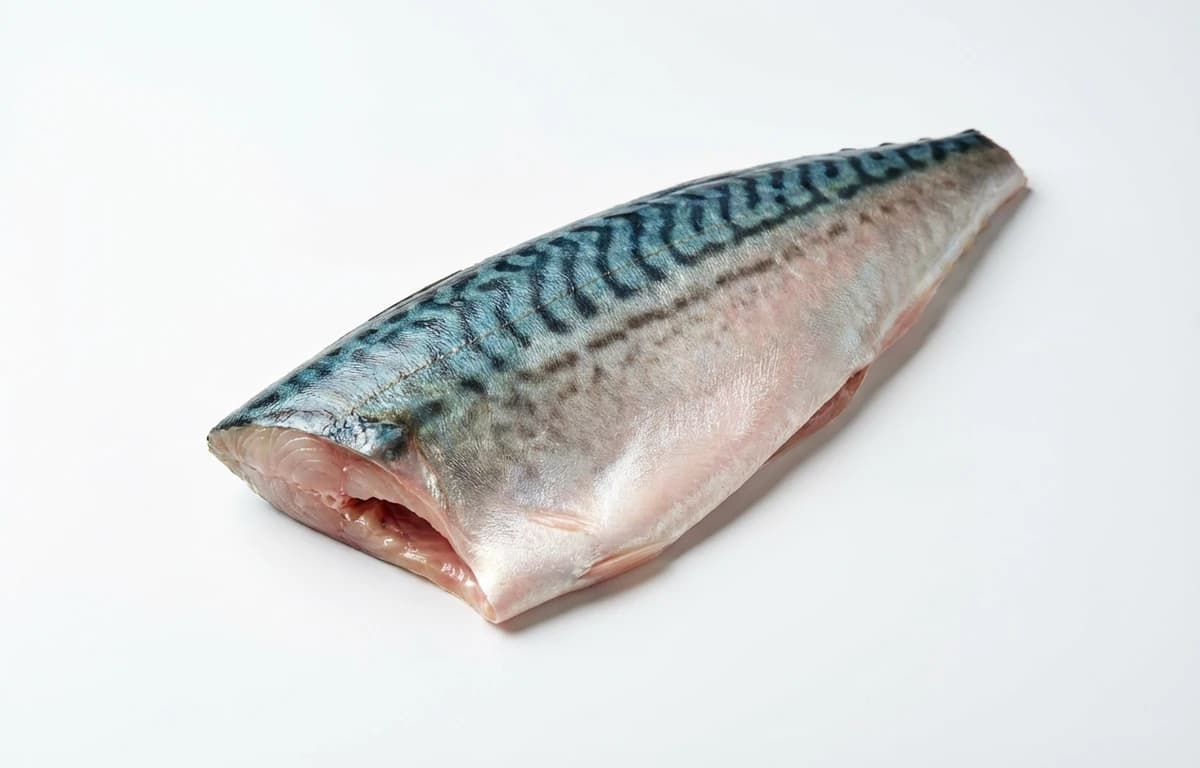
raw spanish mackerel is a versatile ingredient found in cuisines around the world. With 139 calories per 100g and 19.29 grams of protein, it's a nutritious addition to many dishes.
Explore more ingredients in the seafood category with complete nutrition information.
View all seafood →Discover 0 recipes featuring raw spanish mackerel with step-by-step instructions.
Browse recipes →Store raw mackerel in the coldest part of your refrigerator, ideally on a bed of ice, and use it within 1 to 2 days. For longer storage, wrap it tightly in moisture-proof wrap and freeze it for up to 3 months.
Look for clear, bright eyes and shiny, iridescent skin with a firm texture that springs back when pressed. It should have a fresh, mild ocean scent; avoid fish that smells overly 'fishy' or has dull, cloudy eyes.
It is an excellent source of Vitamin D for bone health and Vitamin B12 for nerve function. Additionally, its high selenium content acts as a powerful antioxidant to protect your cells from oxidative damage.