
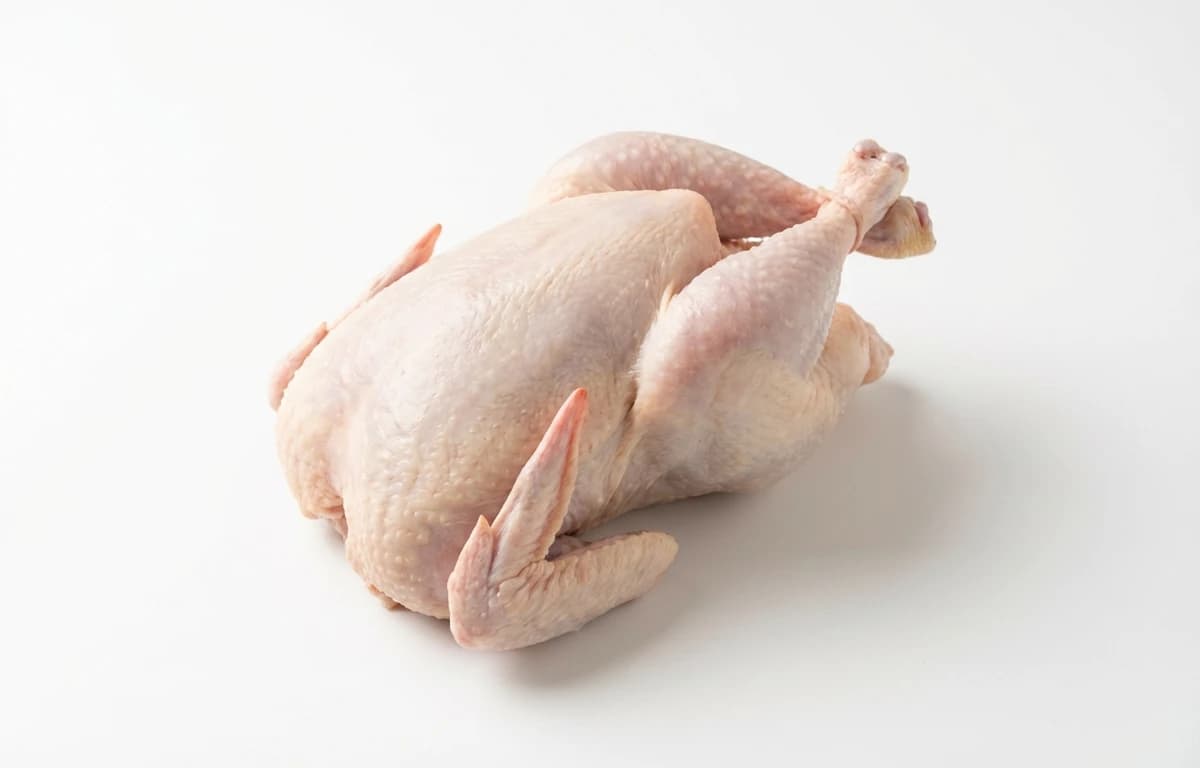
raw squab
Also known as: young pigeon, pigeon, pigeonneau, kabootar meat
Loading...
Also known as: young pigeon, pigeon, pigeonneau, kabootar meat
Per 100g
Nutrition data source: USDA FoodData Central
Common measurement equivalents in grams
Raw squab is highly perishable and should be cooked or frozen within 1 to 2 days of purchase.
Squab has a rich, dark meat flavor that is more similar to duck or ostrich than chicken. It is slightly gamey but very tender.
Quail is the closest substitute. Cornish game hens or duck breasts can also be used, though the flavor and size will differ.
Look for birds with plump breasts and skin that is creamy white to pale yellow. Avoid birds with bruising or a greyish tint.
No, washing raw poultry can spread bacteria around your kitchen. Instead, pat the skin dry with paper towels before seasoning.
Yes, squab freezes well. Wrap it tightly to prevent freezer burn and it will maintain quality for up to 9 months.
Squab is significantly higher in iron and certain B vitamins than chicken, though it is also higher in fat if the skin is consumed.
Roasting whole or pan-searing the breasts are the most popular methods. The legs are often braised or confited as they take longer to tenderize.
Culinary and nutritionally, squab is considered a dark meat poultry, often treated similarly to red meat because it can be served medium-rare.
raw squab is a versatile ingredient found in cuisines around the world. With 213 calories per 100g and 17.5 grams of protein, it's a nutritious addition to many dishes.
Explore more ingredients in the poultry category with complete nutrition information.
View all poultry →