
Poultry
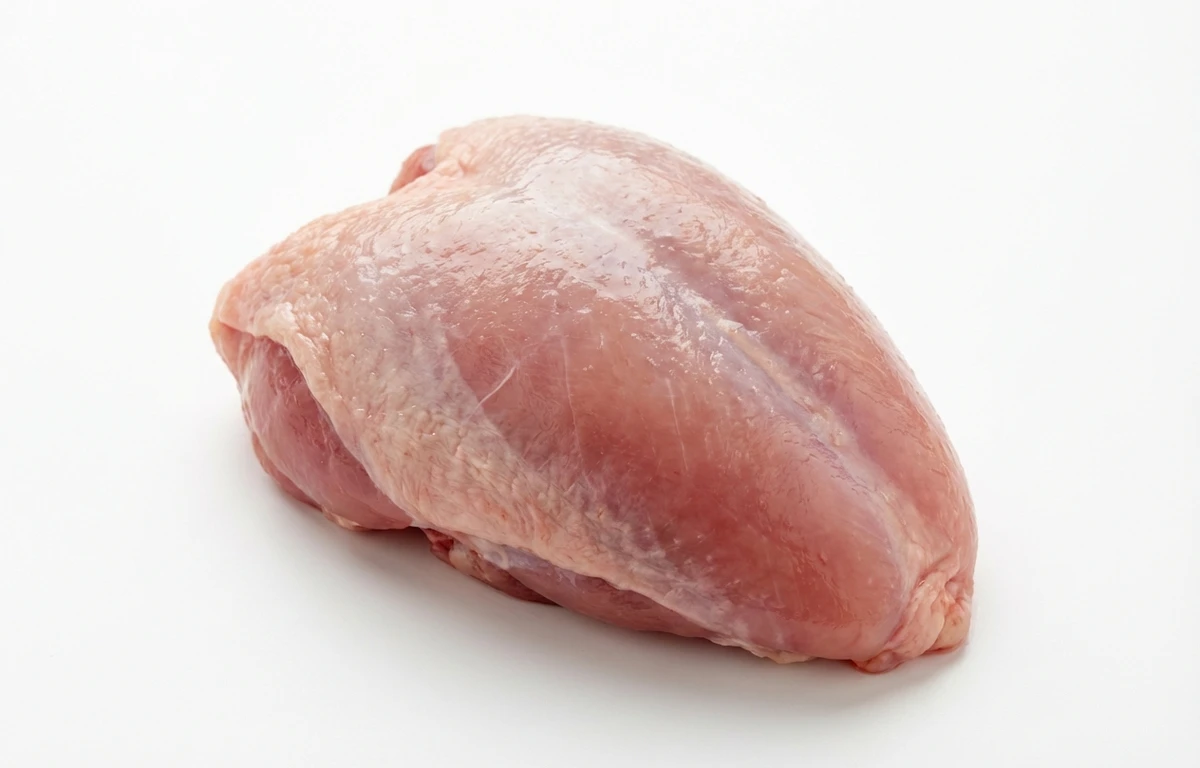
raw squab breast.
VegetarianVeganGluten-freeDairy-freeNut-freePeanut-freeSoy-freeEgg-freeShellfish-freeHoney-freeAlcohol-free
ALSO KNOWN AS
pigeon breast
SERVING
CALORIES
142
PROTEIN
18.5g
CARBS
0g
FAT
7.5g
FIBER
0g
NUTRITION PROFILE · per 100 g
Everything in this ingredient.
MACRONUTRIENTS
Calories142kcal—
Protein18.5g37%
Carbohydrates0g0%
Fiber0g0%
Sugar0g0%
Total fat7.5g10%
Saturated fat2.2g11%
Trans fat0g—
Cholesterol90mg30%
Water72.8g—
MINERALS
Sodium51mg2%
Potassium237mg5%
Calcium13mg1%
Iron4.5mg25%
Magnesium25mg6%
Phosphorus307mg25%
Zinc2.7mg25%
Copper0.50mg56%
Manganese0.02mg1%
Selenium15.5µg28%
VITAMINS
Vitamin A28µg3%
Vitamin C0mg0%
Vitamin D0.10µg1%
Vitamin E0.70mg5%
Vitamin K1.1µg1%
Thiamin (B1)0.28mg23%
Riboflavin (B2)0.28mg22%
Niacin (B3)6.5mg41%
Pantothenic acid (B5)0.75mg15%
Vitamin B60.53mg31%
Folate (B9)7.0µg2%
Vitamin B120.47µg20%
%DV based on a 2,000 cal diet. Source: USDA FoodData Central. A dash in the %DV column means there’s no established Daily Value for that nutrient.
MEASUREMENT CONVERSIONS
How much is what.
1 cup140g
1 tablespoon8.8g
1 teaspoon2.9g
1 ml0.6g
1 liter583.3g
1 piece70g
HEALTH BENEFITS
Why eat it.
- ✓Excellent source of high-quality complete protein, essential for muscle growth and repair.
- ✓Rich in heme iron, a highly absorbable form of iron that helps prevent anemia and supports oxygen transport in the blood.
- ✓Provides significant amounts of B vitamins, particularly Niacin (B3) for energy metabolism and Vitamin B12 for nerve function and red blood cell formation.
- ✓Contains important minerals like phosphorus for bone health and selenium, a powerful antioxidant that supports immune function.
COOKING TIPS
In the kitchen.
- 1For crispy skin, pat the breast completely dry with paper towels and season generously with salt and pepper before cooking.
- 2Cook squab breast to medium-rare (an internal temperature of 135-140°F or 57-60°C) to keep it tender and moist. Overcooking will result in dry, tough meat.
- 3Sear the breast skin-side down in a hot, oven-safe skillet for 3-4 minutes until the skin is golden and crisp, then flip and finish in a preheated oven at 400°F (200°C) for another 3-5 minutes.
- 4Squab's rich, slightly gamy flavor pairs well with fruits like cherries, figs, or grapes, as well as earthy flavors like mushrooms and root vegetables.
STORAGE
Keep it fresh.
- Refrigerate raw squab breast immediately at 40°F (4°C) or below in its original packaging or a sealed container. Use within 1-2 days.
- For longer storage, freeze at 0°F (-18°C). Wrap tightly in plastic wrap and foil or place in a freezer bag to prevent freezer burn, where it can be stored for up to 6 months.
FAQ
Frequently asked questions.
Is squab breast healthy?
Yes, squab breast is a highly nutritious poultry choice. It is an excellent source of high-quality complete protein for muscle repair and is rich in heme iron, which is more easily absorbed by the body than plant-based iron.
How much protein and calories are in squab breast?
A 100g serving of raw squab breast contains approximately 142 calories and 18.5g of protein. It is a lean to moderate fat protein source with 7.5g of fat and zero carbohydrates.
Is squab breast keto-friendly?
Yes, squab breast is ideal for keto and low-carb diets because it contains 0g of carbohydrates. Its high protein content and moderate fat levels make it a nutrient-dense option for those in ketosis.
What does squab breast taste like?
Squab has a distinct, rich flavor that is often described as dark and slightly gamey, similar to duck but milder. The meat is very tender with a fine texture, making it much more flavorful than standard chicken breast.
How do you cook squab breast?
Squab breast is best cooked quickly over high heat, such as pan-searing or roasting. To keep the meat tender and juicy, it is traditionally served medium-rare to medium, as overcooking can make the lean meat tough.
Can I eat squab breast if I have anemia?
Squab breast is an excellent dietary choice for those with anemia because it is rich in heme iron. This mineral is essential for oxygen transport in the blood and helps improve energy levels in individuals with iron deficiencies.
How long does raw squab breast last in the refrigerator?
Raw squab breast should be stored in the coldest part of your fridge and typically lasts for 1 to 2 days. If you do not plan to cook it within that timeframe, it should be wrapped tightly and frozen.
How do I know if raw squab breast has spoiled?
Fresh squab should have a deep reddish-purple color and a neutral, mild scent. If the meat feels slimy to the touch, develops a greyish hue, or emits a sour or 'off' odor, it has spoiled and should be discarded.
Is squab breast gluten-free?
Yes, raw squab breast is naturally gluten-free. It is a pure animal protein and contains no wheat or gluten-containing ingredients, though you should always check labels if the meat is pre-marinated.
What are the main vitamins found in squab breast?
Squab breast is particularly high in B vitamins, including Niacin (B3) for energy metabolism and Vitamin B12 for healthy nerve function. It also contains selenium, a powerful antioxidant that supports the immune system.



















