
Vegetable6 recipes
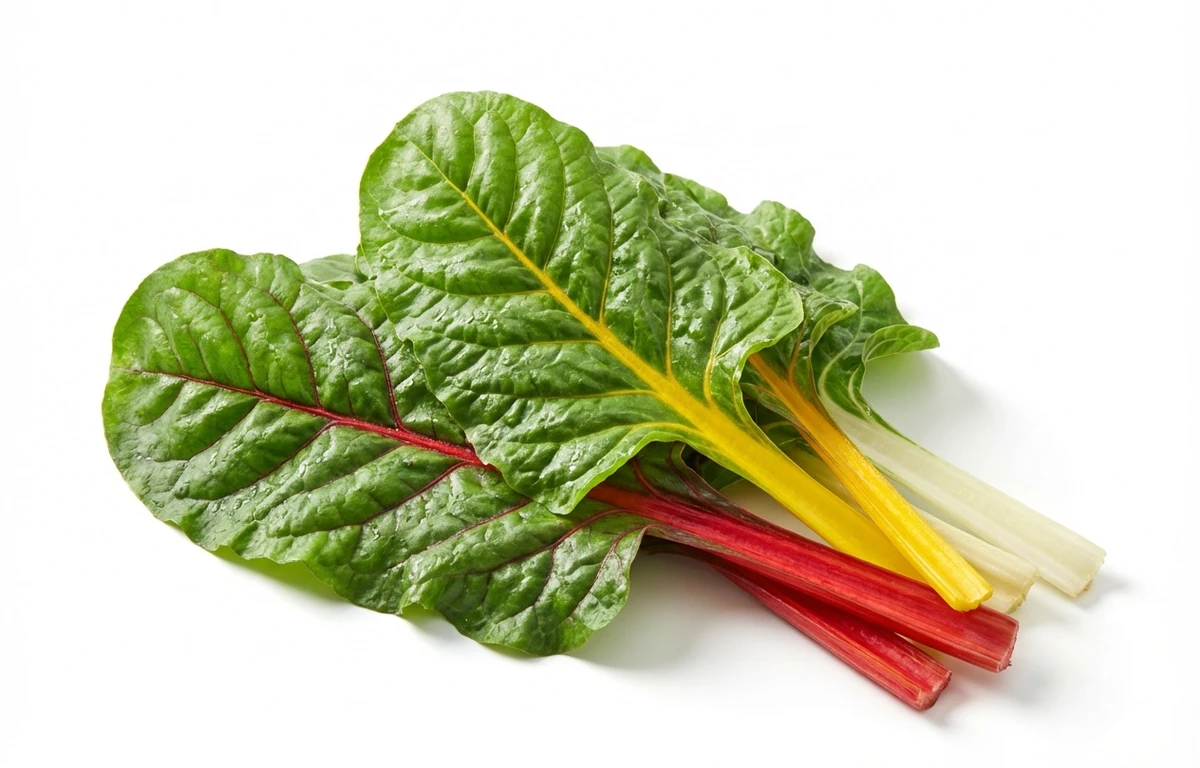
raw swiss chard.
VegetarianVeganGluten-freeDairy-freeNut-freePeanut-freeSoy-freeEgg-freeShellfish-freeHoney-freeAlcohol-freeHalalKosher
ALSO KNOWN AS
raw silverbeetraw chardraw mangoldraw perpetual spinach
SERVING
CALORIES
19
PROTEIN
1.8g
CARBS
2.7g
FAT
0.20g
FIBER
1.6g
NUTRITION PROFILE · per 100 g
Everything in this ingredient.
MACRONUTRIENTS
Calories19kcal—
Protein1.8g4%
Carbohydrates2.7g1%
Fiber1.6g6%
Sugar1.1g2%
Total fat0.20g0%
Saturated fat0.04g0%
Trans fat0g—
Cholesterol0mg0%
Water92.7g—
MINERALS
Sodium213mg9%
Potassium379mg8%
Calcium51mg4%
Iron1.8mg10%
Magnesium81mg19%
Phosphorus46mg4%
Zinc0.36mg3%
Copper0.15mg17%
Manganese0.37mg16%
Selenium0.90µg2%
VITAMINS
Vitamin A306µg34%
Vitamin C30mg33%
Vitamin D0µg0%
Vitamin E1.9mg13%
Vitamin K830µg692%
Thiamin (B1)0.04mg3%
Riboflavin (B2)0.09mg7%
Niacin (B3)0.40mg3%
Pantothenic acid (B5)0.17mg3%
Vitamin B60.10mg6%
Folate (B9)14µg4%
Vitamin B120µg0%
%DV based on a 2,000 cal diet. Source: USDA FoodData Central. A dash in the %DV column means there’s no established Daily Value for that nutrient.
MEASUREMENT CONVERSIONS
How much is what.
1 cup36g
1 oz28.4g
1 lb453.6g
1 piece48g
HEALTH BENEFITS
Why eat it.
- ✓Extremely high in Vitamin K for bone health
- ✓Rich in antioxidants like beta-carotene and lutein
- ✓Contains syringic acid which may help regulate blood sugar
- ✓Good source of magnesium for muscle and nerve function
- ✓High fiber content supports digestive health
COOKING TIPS
In the kitchen.
- 1Separate the stems from the leaves as stems take longer to cook
- 2Sauté with garlic and olive oil for a classic side dish
- 3Use young, small leaves raw in salads for a mild, earthy flavor
STORAGE
Keep it fresh.
- Store unwashed in a plastic bag with a damp paper towel in the crisper drawer
- Keep away from ethylene-producing fruits like apples to prevent yellowing
- Best used within 3 to 5 days of purchase
FAQ
Frequently asked questions.
How long does raw Swiss chard last in the fridge?
When stored properly in a plastic bag in the crisper drawer, it typically lasts 3 to 5 days.
Can you eat Swiss chard stems?
Yes, the stems are completely edible and have a crunchy texture similar to celery. They just require a few extra minutes of cooking compared to the leaves.
What is a good substitute for Swiss chard?
Mature spinach, kale, or beet greens are the best substitutes in most recipes.
How do you select the best Swiss chard?
Look for leaves that are bright green, crisp, and not wilted. The stalks should be firm and free of brown spots.
Can Swiss chard be frozen?
Yes, but it should be blanched in boiling water for 2 minutes and then cooled in ice water before freezing to preserve quality.
Is Swiss chard high in sodium?
Compared to other vegetables, Swiss chard is naturally higher in sodium, containing about 213mg per 100g.
How do you clean raw Swiss chard?
Submerge the leaves in a bowl of cold water and swish them around to let grit sink to the bottom, then rinse under running water.
Is Swiss chard better raw or cooked?
Both are nutritious. Raw chard is higher in Vitamin C, while cooking reduces oxalates and can make some minerals more bioavailable.
RECIPES
Cook with raw swiss chard.
6 recipes · sorted by what’s quick



















