
Fruit10 recipes
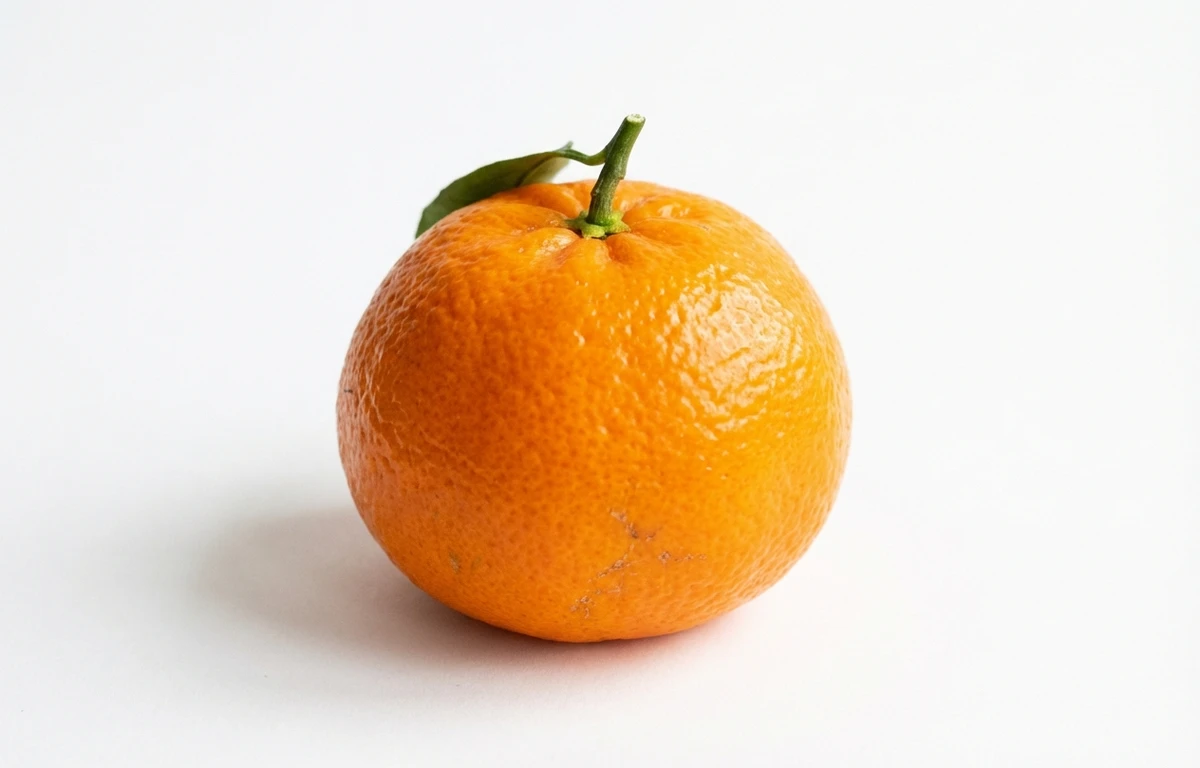
raw tangerine.
VegetarianVeganGluten-freeDairy-freeNut-freePeanut-freeSoy-freeEgg-freeShellfish-freeHoney-freeAlcohol-free
ALSO KNOWN AS
mandarinmandarin orangesantranarangitangerine segmentsfresh tangerine
SERVING
CALORIES
53
PROTEIN
0.81g
CARBS
13.3g
FAT
0.31g
FIBER
1.8g
NUTRITION PROFILE · per 100 g
Everything in this ingredient.
MACRONUTRIENTS
Calories53kcal—
Protein0.81g2%
Carbohydrates13.3g5%
Fiber1.8g6%
Sugar10.6g21%
Total fat0.31g0%
Saturated fat0.04g0%
Trans fat0g—
Cholesterol0mg0%
Water85.2g—
MINERALS
Sodium2.0mg0%
Potassium166mg4%
Calcium37mg3%
Iron0.15mg1%
Magnesium12mg3%
Phosphorus20mg2%
Zinc0.07mg1%
Copper0.04mg4%
Manganese0.04mg2%
Selenium0.10µg0%
VITAMINS
Vitamin A34µg4%
Vitamin C26.7mg30%
Vitamin D0µg0%
Vitamin E0.20mg1%
Vitamin K0µg0%
Thiamin (B1)0.06mg5%
Riboflavin (B2)0.04mg3%
Niacin (B3)0.38mg2%
Pantothenic acid (B5)0.22mg4%
Vitamin B60.08mg5%
Folate (B9)16µg4%
Vitamin B120µg0%
%DV based on a 2,000 cal diet. Source: USDA FoodData Central. A dash in the %DV column means there’s no established Daily Value for that nutrient.
MEASUREMENT CONVERSIONS
How much is what.
1 cup241.3g
1 tablespoon15.1g
1 teaspoon5g
1 oz28.4g
1 lb453.6g
1 ml1g
1 liter1020g
1 piece88g
HEALTH BENEFITS
Why eat it.
- ✓High in Vitamin C which supports immune function
- ✓Contains flavonoids that may reduce inflammation
- ✓Good source of fiber for digestive health
- ✓Provides antioxidants like beta-carotene for eye health
- ✓Potassium content helps maintain healthy blood pressure
COOKING TIPS
In the kitchen.
- 1Use the zest to add citrus flavor to baked goods and marinades
- 2Add fresh segments to salads for a sweet and tangy contrast
- 3Reduce the juice into a glaze for poultry or seafood dishes
STORAGE
Keep it fresh.
- Store at room temperature for up to 1 week
- Refrigerate in a mesh bag to extend shelf life to 2-3 weeks
- Keep away from direct sunlight and moisture to prevent mold
FAQ
Frequently asked questions.
How long do tangerines last?
Tangerines last about 5-7 days at room temperature and up to 2-3 weeks when stored in the refrigerator.
How can I tell if a tangerine is ripe and sweet?
Look for fruits that feel heavy for their size, which indicates juiciness. The skin should be bright orange and slightly soft but not mushy.
What is the difference between a tangerine and an orange?
Tangerines are smaller, have thinner skin that is easier to peel, and are generally sweeter and more tart than standard oranges.
Can you freeze tangerines?
Yes, you can freeze tangerine segments or juice. For segments, freeze them in a single layer on a tray before transferring to a bag; note that the texture will be softer upon thawing.
What are good substitutes for tangerines?
Clementines, Satsumas, or standard oranges are the best substitutes depending on the required sweetness and size.
Do tangerines contain a lot of sugar?
Tangerines contain about 10.6g of natural sugar per 100g, which is moderate for a fruit and accompanied by fiber which helps slow absorption.
How should I prepare tangerines for a salad?
Peel the fruit, remove as much of the white pith as possible, and separate into segments. You can also cut the segments in half if they are large.
Are tangerine peels edible?
Yes, the zest (the orange outer layer) is edible and highly aromatic. However, the white pith can be bitter.
When are tangerines in season?
Tangerines are typically a winter fruit, with peak season occurring between November and March.
RECIPES
Cook with raw tangerine.
10 recipes · sorted by what’s quick



















