
Seafood
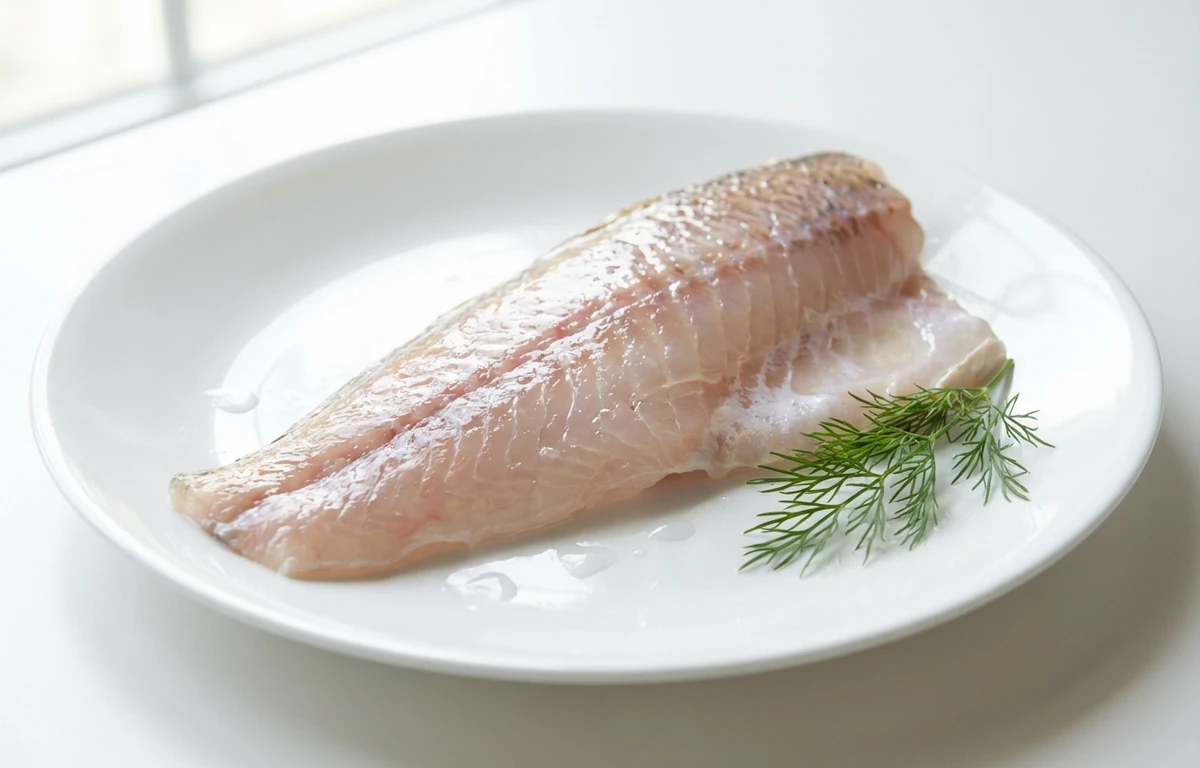
raw tilefish.
VegetarianVeganGluten-freeDairy-freeNut-freePeanut-freeSoy-freeEgg-freeShellfish-freeHoney-freeAlcohol-free
ALSO KNOWN AS
tilefish
SERVING
CALORIES
96
PROTEIN
17.5g
CARBS
0g
FAT
2.3g
FIBER
0g
NUTRITION PROFILE · per 100 g
Everything in this ingredient.
MACRONUTRIENTS
Calories96kcal—
Protein17.5g35%
Carbohydrates0g0%
Fiber0g0%
Sugar0g0%
Total fat2.3g3%
Saturated fat0.46g2%
Trans fat0g—
Cholesterol50mg17%
Water78.5g—
MINERALS
Sodium53mg2%
Potassium400mg9%
Calcium20mg2%
Iron0.30mg2%
Magnesium30mg7%
Phosphorus210mg17%
Zinc0.40mg4%
Copper0.04mg4%
Manganese0.01mg0%
Selenium44µg80%
VITAMINS
Vitamin A15µg2%
Vitamin C0mg0%
Vitamin D10µg50%
Vitamin E0.80mg5%
Vitamin K0.10µg0%
Thiamin (B1)0.10mg8%
Riboflavin (B2)0.10mg8%
Niacin (B3)3.5mg22%
Pantothenic acid (B5)0.75mg15%
Vitamin B60.20mg12%
Folate (B9)15µg4%
Vitamin B122.5µg104%
%DV based on a 2,000 cal diet. Source: USDA FoodData Central. A dash in the %DV column means there’s no established Daily Value for that nutrient.
MEASUREMENT CONVERSIONS
How much is what.
1 cup170g
1 tablespoon10.6g
1 teaspoon3.5g
1 ml0.7g
1 liter708.3g
1 piece140g
HEALTH BENEFITS
Why eat it.
- ✓Excellent source of high-quality, lean protein, essential for muscle building and tissue repair.
- ✓Rich in selenium, a powerful antioxidant that supports immune system function and thyroid health.
- ✓Provides Omega-3 fatty acids (EPA and DHA), which contribute to improved cardiovascular health and brain function.
- ✓Good source of Vitamin B12, crucial for nerve function and the formation of red blood cells.
COOKING TIPS
In the kitchen.
- 1Tilefish has a firm, white flesh and a mild, sweet flavor, making it suitable for baking, broiling, grilling, and pan-searing.
- 2Its firm texture holds up well in soups, stews, and chowders without falling apart.
- 3Cook until the internal temperature reaches 145°F (63°C); the flesh should be opaque and flake easily. Avoid overcooking to prevent it from becoming dry.
- 4Be aware that tilefish, especially from the Gulf of Mexico, can have high mercury levels. The FDA advises pregnant women, nursing mothers, and young children to avoid it.
STORAGE
Keep it fresh.
- For immediate use, store raw tilefish in the coldest part of your refrigerator (below 40°F or 4°C) and cook within 1-2 days.
- For longer storage, pat the fillets dry, wrap tightly in plastic wrap then foil, or place in a vacuum-sealed bag, and freeze at 0°F (-18°C). Use within 3-6 months for best quality.
FAQ
Frequently asked questions.
Is tilefish healthy?
Yes, tilefish is a nutrient-dense seafood option. It is low in calories and fat while providing high-quality protein, heart-healthy Omega-3 fatty acids, and essential minerals like selenium and Vitamin B12.
How much protein is in tilefish?
A 100g serving of raw tilefish contains approximately 17.5 grams of protein. This makes it an excellent lean protein source for muscle building, tissue repair, and maintaining a healthy metabolism.
Is tilefish high in mercury?
Caution is advised as some varieties, particularly Golden Tilefish from the Gulf of Mexico, are known to be very high in mercury. The FDA recommends that pregnant women, nursing mothers, and young children avoid these specific varieties, though Atlantic tilefish is generally considered safer.
Is tilefish keto-friendly?
Yes, tilefish is highly keto-friendly as it contains zero carbohydrates. Its high protein content and healthy Omega-3 fats make it an ideal choice for those following low-carb or ketogenic diets.
Is tilefish gluten-free?
In its raw, natural state, tilefish is 100% gluten-free. However, always check for gluten in seasonings, marinades, or breading used during the cooking process.
What does tilefish taste like?
Tilefish has a mild, sweet flavor that is often compared to lobster or crab. Its texture is firm and flaky, making it a popular choice for those who enjoy seafood that isn't overly 'fishy' in taste.
How do you cook tilefish?
Tilefish is versatile and can be pan-seared, grilled, or baked. Because of its firm texture, it holds its shape well during cooking; it should be prepared until the flesh is opaque and flakes easily with a fork.
Can you eat tilefish raw?
While tilefish can be used for crudo or ceviche, it is less common in sushi than other white fish. If you choose to eat it raw, ensure it is labeled 'sushi-grade' to minimize the risk of parasites.
How do you store raw tilefish?
Store raw tilefish in the coldest part of your refrigerator, ideally on a bed of ice in a leak-proof container. This helps maintain its delicate flavor and prevents the fish from drying out.
How long does raw tilefish last in the fridge?
Raw tilefish should be cooked within 1 to 2 days of purchase for optimal freshness. If you cannot use it within that timeframe, wrap it tightly in plastic and freeze it for up to 3 months.



















