
Meat
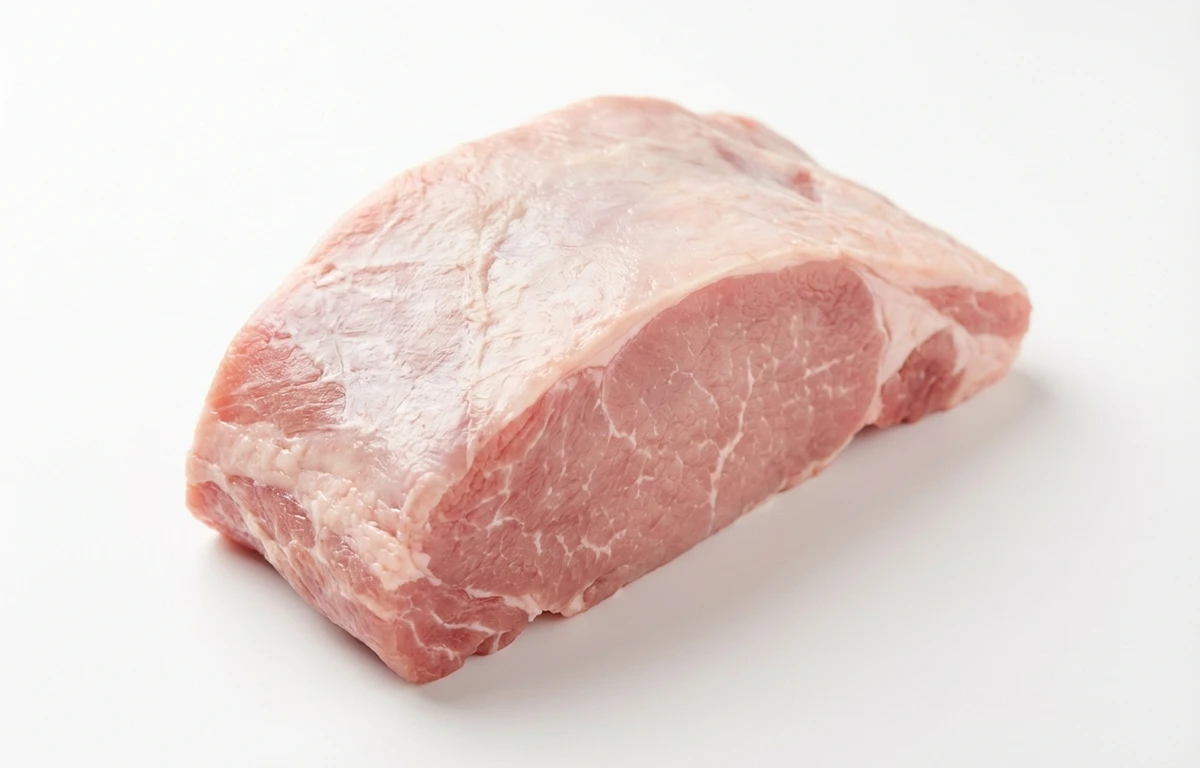
raw veal breast.
VegetarianVeganGluten-freeDairy-freeNut-freePeanut-freeSoy-freeEgg-freeShellfish-freeHoney-freeAlcohol-free
ALSO KNOWN AS
raw breast of veal
SERVING
CALORIES
231
PROTEIN
17.5g
CARBS
0g
FAT
17.8g
FIBER
0g
NUTRITION PROFILE · per 100 g
Everything in this ingredient.
MACRONUTRIENTS
Calories231kcal—
Protein17.5g35%
Carbohydrates0g0%
Fiber0g0%
Sugar0g0%
Total fat17.8g23%
Saturated fat7.5g38%
Trans fat0.40g—
Cholesterol85mg28%
Water63.5g—
MINERALS
Sodium75mg3%
Potassium245mg5%
Calcium12mg1%
Iron0.90mg5%
Magnesium18mg4%
Phosphorus155mg12%
Zinc3.5mg32%
Copper0.08mg9%
Manganese0.02mg1%
Selenium8.5µg15%
VITAMINS
Vitamin A0µg0%
Vitamin C0mg0%
Vitamin D0.10µg1%
Vitamin E0.20mg1%
Vitamin K1.1µg1%
Thiamin (B1)0.06mg5%
Riboflavin (B2)0.21mg16%
Niacin (B3)5.5mg34%
Pantothenic acid (B5)0.60mg12%
Vitamin B60.28mg16%
Folate (B9)8.0µg2%
Vitamin B121.1µg46%
%DV based on a 2,000 cal diet. Source: USDA FoodData Central. A dash in the %DV column means there’s no established Daily Value for that nutrient.
MEASUREMENT CONVERSIONS
How much is what.
1 oz28.4g
1 lb453.6g
HEALTH BENEFITS
Why eat it.
- ✓Excellent source of high-quality complete protein
- ✓Rich in Vitamin B12 for nerve function and blood health
- ✓Provides significant amounts of Zinc for immune support
- ✓Contains Niacin which aids in energy metabolism
- ✓Good source of Phosphorus for bone health
COOKING TIPS
In the kitchen.
- 1Braising or slow-roasting is recommended to break down the connective tissue.
- 2Often stuffed with herbs and breadcrumbs before roasting to enhance flavor.
- 3Cook to an internal temperature of 145°F (63°C) followed by a 3-minute rest.
STORAGE
Keep it fresh.
- Store in the coldest part of the refrigerator for no more than 1-2 days.
- Keep in original vacuum-sealed packaging or wrap tightly in plastic wrap and foil.
- Freeze for long-term storage for up to 6-9 months at 0°F (-18°C).
FAQ
Frequently asked questions.
How long does raw veal breast last in the refrigerator?
Raw veal breast is highly perishable and should be cooked or frozen within 1 to 2 days of purchase.
Can I freeze raw veal breast?
Yes, you can freeze it for 6 to 9 months. Ensure it is wrapped airtight to prevent freezer burn.
What is the best cooking method for veal breast?
Because it contains significant connective tissue, low and slow methods like braising or slow roasting are best.
How do I identify high-quality veal breast?
Look for meat that is creamy pink in color with white fat. Avoid meat that looks grey or has a strong odor.
What can I substitute for veal breast?
Beef brisket or lamb breast are the closest substitutes in terms of texture and fat content.
Is veal breast a lean cut of meat?
No, the breast is one of the fattier cuts of veal, which makes it ideal for slow cooking as the fat renders and keeps the meat moist.
Should I remove the bones before cooking?
It is usually better to cook it with the bones for added flavor and structure, especially if stuffing it. The bones can be removed easily after cooking.
What are common flavor pairings for veal breast?
It pairs excellently with lemon, garlic, rosemary, thyme, white wine, and mushrooms.
Is veal breast suitable for grilling?
Generally no, as it is too tough for quick, high-heat cooking unless it has been pre-braised or marinated extensively.
How many people does a whole veal breast serve?
A whole veal breast typically weighs 3-4 pounds and can serve 4 to 6 people depending on the amount of bone and fat.



















