
Meat
raw walrus liver.
VegetarianVeganGluten-freeDairy-freeNut-freePeanut-freeSoy-freeEgg-freeShellfish-freeHoney-freeAlcohol-freeHalalKosher
ALSO KNOWN AS
walrus liver
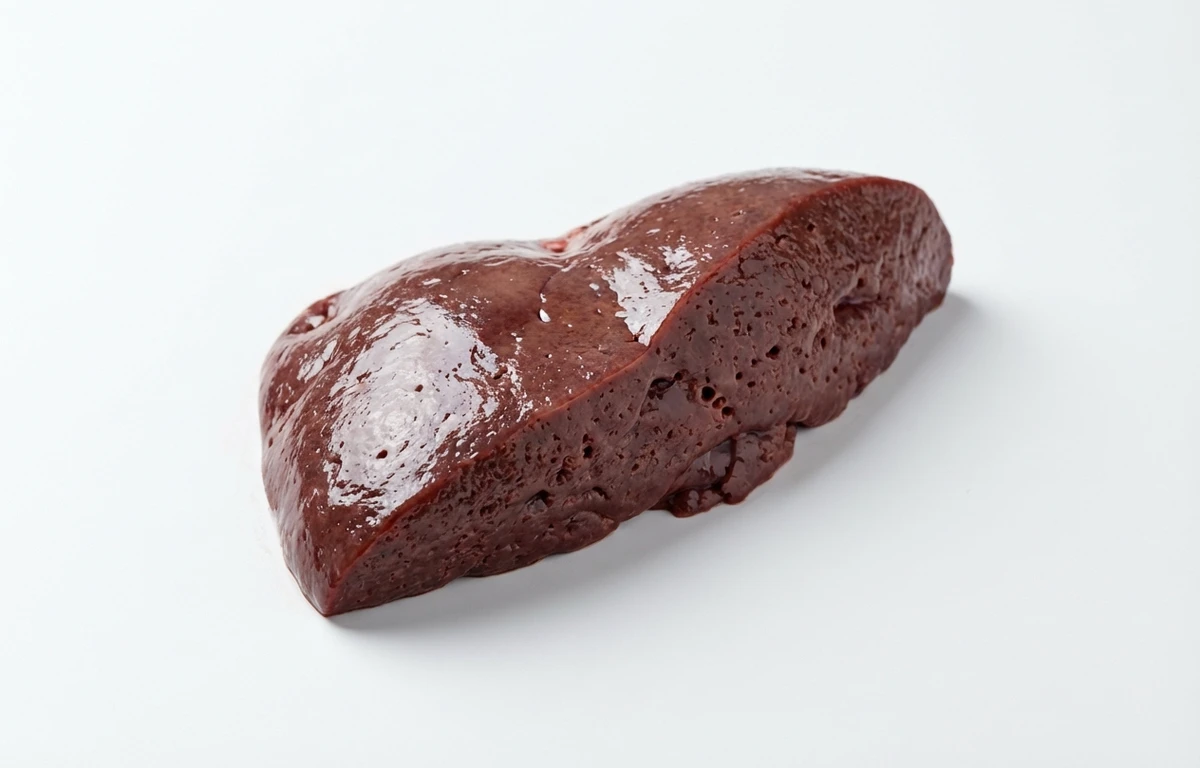
SERVING
CALORIES
125
PROTEIN
21g
CARBS
3.5g
FAT
3.0g
FIBER
0g
NUTRITION PROFILE · per 100 g
Everything in this ingredient.
MACRONUTRIENTS
Calories125kcal—
Protein21g42%
Carbohydrates3.5g1%
Total fat3.0g4%
Saturated fat0.90g5%
Cholesterol300mg100%
Water71.5g—
MINERALS
Sodium80mg3%
Potassium280mg6%
Calcium7.0mg1%
Iron14.4mg80%
Magnesium20mg5%
Phosphorus208mg17%
Zinc5.2mg47%
VITAMINS
Vitamin A30000µg3333%
Vitamin C20mg22%
Thiamin (B1)0.08mg7%
Riboflavin (B2)1.9mg147%
Niacin (B3)12.5mg78%
Vitamin B60.70mg41%
%DV based on a 2,000 cal diet. Source: USDA FoodData Central. A dash in the %DV column means there’s no established Daily Value for that nutrient.
MEASUREMENT CONVERSIONS
How much is what.
1 cup230g
1 tablespoon14g
1 oz28.4g
1 lb453.6g
1 piece120g
HEALTH BENEFITS
Why eat it.
- ✓Extremely rich in preformed Vitamin A (retinol), which is vital for vision, immune function, and reproduction.
- ✓An exceptional source of highly bioavailable heme iron, essential for preventing iron-deficiency anemia and supporting oxygen transport.
- ✓Packed with Vitamin B12, crucial for neurological health, DNA synthesis, and the formation of red blood cells.
- ✓Provides a complete protein source, containing all essential amino acids necessary for tissue repair and muscle maintenance.
COOKING TIPS
In the kitchen.
- 1CRITICAL SAFETY WARNING: Walrus liver contains potentially toxic levels of Vitamin A. It should only be consumed in very small quantities to avoid hypervitaminosis A, which can be fatal.
- 2Consuming raw organ meat carries a significant risk of parasites, such as Trichinella. Ensure the source is safe and trusted, or cook thoroughly to an internal temperature of 160°F (71°C).
- 3The flavor is intensely strong, gamey, and rich. Traditionally, it might be eaten raw and frozen or aged. If cooking, a quick sear on high heat is best to avoid a tough, leathery texture.
STORAGE
Keep it fresh.
- For immediate use, store in an airtight container in the coldest part of the refrigerator (below 40°F or 4°C) and consume within 24 hours.
- For long-term storage, freeze immediately. Wrap tightly in plastic wrap and then place in a freezer-safe bag, storing at 0°F (-18°C) for up to 3 months.
FAQ
Frequently asked questions.
Is walrus liver healthy?
Yes, walrus liver is exceptionally nutrient-dense, offering high levels of Vitamin A, B12, and heme iron. It supports immune function, vision, and red blood cell production. However, it must be consumed in moderation due to the risk of Vitamin A toxicity.
What are the risks of eating too much walrus liver?
The primary concern is hypervitaminosis A, as marine mammal livers contain extremely high concentrations of preformed Vitamin A. Consuming large amounts can lead to symptoms like dizziness, nausea, and skin peeling. Traditional practices usually involve eating small portions to avoid these effects.
How much protein and calories are in walrus liver?
A 100g serving of raw walrus liver provides approximately 125 calories and 21 grams of protein. It is a lean protein source with only 3 grams of fat and 3.5 grams of carbohydrates per serving.
Is walrus liver keto-friendly?
Yes, walrus liver is keto-friendly and low-carb, containing only 3.5g of carbohydrates per 100g. Its high protein content and nutrient density make it suitable for ketogenic diets, provided portion sizes are managed.
Is walrus liver gluten-free?
Raw walrus liver is naturally gluten-free as it is an animal organ meat. It contains no grain-based proteins, making it safe for individuals with celiac disease or gluten intolerance.
How is walrus liver traditionally prepared?
In Arctic cultures, walrus liver is often eaten raw and fresh immediately after a hunt. It can also be fermented or lightly boiled; however, overcooking is generally avoided as it can make the texture very tough and rubbery.
What does walrus liver taste like?
Walrus liver has a very intense, earthy, and metallic flavor that is much stronger than beef or chicken liver. The texture is dense and slightly grainy when raw, becoming firmer when heat is applied.
Is it safe to eat walrus liver raw?
While traditionally consumed raw, there is a risk of parasites such as Trichinella. To mitigate risks, the liver should come from a healthy animal and be handled with strict hygiene, or frozen at specific temperatures to kill potential larvae.
How do you store walrus liver?
Fresh walrus liver should be stored in the coldest part of the refrigerator and consumed within 1-2 days. For long-term storage, it should be vacuum-sealed and frozen at 0°F (-18°C) or lower.
Can walrus liver help with iron deficiency?
Yes, it is an exceptional source of heme iron, which is the most bioavailable form of iron for humans. This makes it highly effective for preventing iron-deficiency anemia and supporting healthy oxygen transport in the blood.



















