
Meat
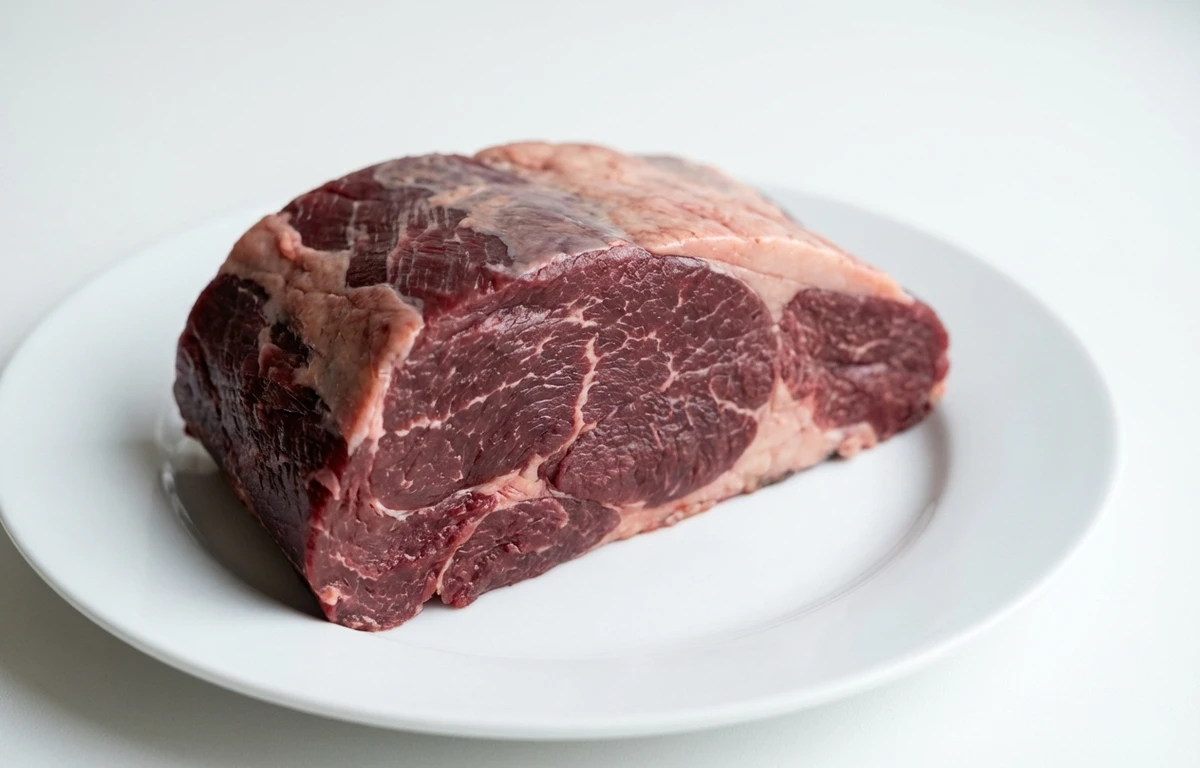
raw walrus meat.
VegetarianVeganGluten-freeDairy-freeNut-freePeanut-freeSoy-freeEgg-freeShellfish-freeHoney-freeAlcohol-freeHalalKosher
ALSO KNOWN AS
walrus meat
SERVING
CALORIES
192
PROTEIN
26.5g
CARBS
0g
FAT
9.4g
FIBER
0g
NUTRITION PROFILE · per 100 g
Everything in this ingredient.
MACRONUTRIENTS
Calories192kcal—
Protein26.5g53%
Carbohydrates0g0%
Fiber0g0%
Sugar0g0%
Total fat9.4g12%
Saturated fat2.5g13%
Trans fat0g—
Cholesterol95mg32%
Water63g—
MINERALS
Sodium75mg3%
Potassium280mg6%
Calcium10mg1%
Iron9.4mg52%
Magnesium24mg6%
Phosphorus210mg17%
Zinc3.5mg32%
Copper0.20mg22%
Manganese0.02mg1%
Selenium45µg82%
VITAMINS
Vitamin A40µg4%
Vitamin C0mg0%
Vitamin D1.5µg8%
Vitamin E0.50mg3%
Vitamin K0µg0%
Thiamin (B1)0.15mg13%
Riboflavin (B2)0.40mg31%
Niacin (B3)4.5mg28%
Pantothenic acid (B5)0.60mg12%
Vitamin B60.30mg18%
Folate (B9)5.0µg1%
Vitamin B1218µg750%
%DV based on a 2,000 cal diet. Source: USDA FoodData Central. A dash in the %DV column means there’s no established Daily Value for that nutrient.
MEASUREMENT CONVERSIONS
How much is what.
1 cup150g
1 tablespoon9g
1 oz28.4g
1 lb453.6g
HEALTH BENEFITS
Why eat it.
- ✓Extremely rich in complete protein, essential for muscle building and repair.
- ✓High in omega-3 fatty acids (EPA and DHA), which support cardiovascular health and brain function.
- ✓Excellent source of iron, crucial for preventing anemia and transporting oxygen in the blood.
- ✓Rich in essential micronutrients including Vitamin A, Vitamin B12, and selenium.
COOKING TIPS
In the kitchen.
- 1CRITICAL SAFETY NOTE: Raw walrus meat carries a very high risk of trichinosis. It must be cooked thoroughly to an internal temperature of at least 160°F (71°C) to kill parasites.
- 2Due to its tough texture and strong, gamey flavor, it is best prepared by slow-cooking methods like boiling, stewing, or braising for several hours.
- 3Marinating the meat in an acidic liquid (like vinegar or citrus juice) for several hours before cooking can help tenderize it and mellow its flavor.
- 4The meat can be ground and mixed with other fats or meats to make sausages or burgers, which helps to manage its intense flavor and tough texture.
STORAGE
Keep it fresh.
- For long-term storage, freeze immediately at 0°F (-18°C) or below in vacuum-sealed or airtight packaging to prevent freezer burn; can be stored for up to a year.
- For short-term use, refrigerate at or below 40°F (4°C) and consume within 1-2 days due to rapid spoilage potential.
FAQ
Frequently asked questions.
Is raw walrus meat healthy?
Yes, raw walrus meat is highly nutritious, offering 26.5g of protein per 100g and high levels of omega-3 fatty acids. It is an exceptional source of iron, Vitamin B12, and Vitamin A, which support cardiovascular health, oxygen transport, and immune function.
How much protein and calories are in walrus meat?
A 100g serving of walrus meat contains approximately 192 calories and 26.5g of protein. It contains 0g of carbohydrates and 9.4g of fat, making it a very high-protein, low-carb food source.
Is walrus meat keto-friendly?
Yes, walrus meat is perfectly suited for a ketogenic or low-carb diet. With zero carbohydrates and a high protein-to-fat ratio, it helps maintain ketosis while providing essential micronutrients like selenium and B-vitamins.
What does walrus meat taste like?
Walrus meat has a very strong, distinct flavor often described as intensely gamey and marine. The meat is dark, dense, and rich, with a flavor profile similar to other marine mammals like seal, but often more robust.
Are there safety risks to eating walrus meat raw?
Eating raw walrus meat carries a risk of Trichinosis, a parasitic infection caused by Trichinella larvae. While traditionally consumed raw or fermented in Arctic cultures, it is recommended to cook the meat to an internal temperature of 160°F (71°C) to ensure safety.
Is walrus meat good for preventing anemia?
Yes, walrus meat is an excellent source of heme iron, which is the form of iron most easily absorbed by the human body. Regular consumption can significantly help in maintaining healthy hemoglobin levels and preventing iron-deficiency anemia.
How should raw walrus meat be stored?
Raw walrus meat should be stored in the freezer at 0°F (-18°C) or colder to preserve its nutritional value and prevent spoilage. If kept in the refrigerator, it should be consumed within 1-2 days and kept in an airtight container.
Is walrus meat halal or kosher?
Walrus is not kosher as it does not have split hooves or chew its cud. In Islamic dietary law, most scholars consider marine animals (including mammals) to be halal, though specific cultural interpretations may vary.
How is raw walrus meat traditionally prepared?
In Arctic indigenous cultures, walrus is often prepared as 'igunaq' (fermented meat) or sliced very thin while still partially frozen and eaten raw. It can also be used in slow-cooked stews or soups to help tenderize the dense muscle fibers.
What are the primary vitamins found in walrus meat?
Walrus meat is particularly rich in Vitamin B12, which is essential for nervous system health, and Vitamin A, which is vital for vision. It also contains high levels of selenium, an antioxidant that helps protect cells from damage.



















