
Meat
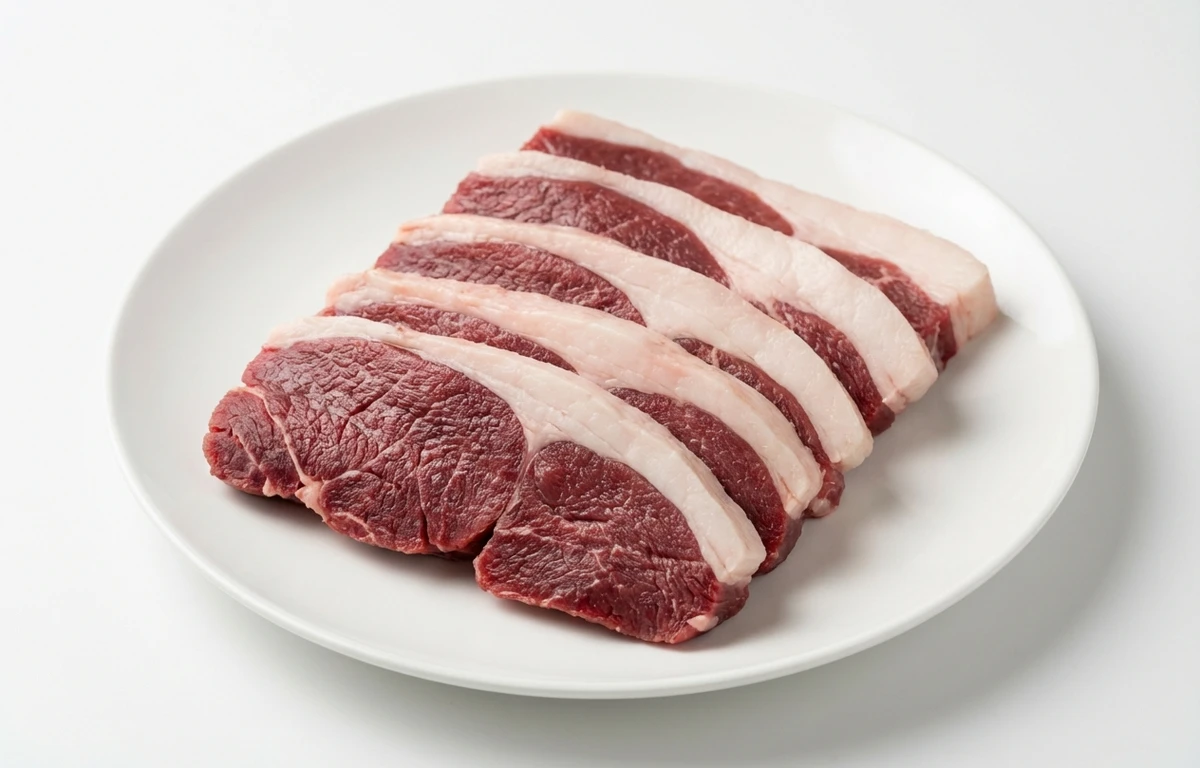
raw walrus meat and subcutaneous fat.
VegetarianVeganGluten-freeDairy-freeNut-freePeanut-freeSoy-freeEgg-freeShellfish-freeHoney-freeAlcohol-freeHalalKosher
ALSO KNOWN AS
walrus meat
SERVING
CALORIES
345
PROTEIN
18.1g
CARBS
0g
FAT
30.5g
FIBER
0g
This ingredient is flagged as naturally gluten-free. Per 100 g, it provides 1.0 µg of vitamin K.
NUTRITION PROFILE · per 100 g
Everything in this ingredient.
MACRONUTRIENTS
Calories345kcal—
Protein18.1g36%
Carbohydrates0g0%
Fiber0g0%
Sugar0g0%
Total fat30.5g39%
Saturated fat7.6g38%
Trans fat0g—
Cholesterol95mg32%
Water52g—
MINERALS
Sodium70mg3%
Potassium250mg5%
Calcium10mg1%
Iron9.0mg50%
Magnesium25mg6%
Phosphorus200mg16%
Zinc4.0mg36%
Copper0.20mg22%
Manganese0.02mg1%
Selenium40µg73%
VITAMINS
Vitamin A150µg17%
Vitamin C2.0mg2%
Vitamin D3.0µg15%
Vitamin E1.5mg10%
Vitamin K1.0µg1%
Thiamin (B1)0.10mg8%
Riboflavin (B2)0.30mg23%
Niacin (B3)4.0mg25%
Pantothenic acid (B5)0.50mg10%
Vitamin B60.30mg18%
Folate (B9)5.0µg1%
Vitamin B1212µg500%
%DV based on a 2,000 cal diet. Source: USDA FoodData Central. A dash in the %DV column means there’s no established Daily Value for that nutrient.
MEASUREMENT CONVERSIONS
How much is what.
1 cup150g
1 oz28.4g
1 lb453.6g
1 piece120g
HEALTH BENEFITS
Why eat it.
- ✓Extremely rich in omega-3 fatty acids (EPA and DHA) from the subcutaneous fat, which supports cardiovascular health and brain function.
- ✓Excellent source of high-quality, complete protein, providing all essential amino acids for muscle maintenance and repair.
COOKING TIPS
In the kitchen.
- 1WARNING: Raw consumption carries a significant risk of trichinosis. To reduce risk, the meat should be frozen solid for at least 30 days or cooked thoroughly to an internal temperature of 160°F (71°C).
- 2The meat is tough and has a very strong, gamey flavor. Slow cooking methods like stewing or braising are recommended to tenderize the meat.
- 3The fat (blubber or 'muktuk') can be eaten raw, boiled, or rendered into oil for cooking.
- 4Due to its intense flavor, it is often consumed in small quantities or prepared using traditional methods like fermentation (igunaq) to alter the taste and texture.
STORAGE
Keep it fresh.
- For long-term storage, freeze immediately at or below 0°F (-18°C). When vacuum-sealed, it can be preserved for several months to over a year.
- If planning to consume soon, store raw meat and fat in the coldest part of the refrigerator (below 40°F or 4°C) for no more than 1-2 days due to high risk of spoilage.
- Traditionally, it is stored in cellars dug into the permafrost, which acts as a natural freezer.
FAQ
Frequently asked questions.
What are the primary nutrients in 100g of walrus meat and fat?
A 100g serving provides approximately 345 calories, 18.1g of protein, and 30.5g of fat. It contains 0g of carbohydrates and is exceptionally high in iron and fat-soluble vitamins.
Is raw walrus meat and fat keto-friendly?
Yes, it is ideal for a ketogenic or low-carb diet. With zero carbohydrates and a high healthy fat content, it helps the body maintain ketosis while providing essential amino acids and minerals.
What does raw walrus meat and fat taste like?
The meat is very dark, dense, and has a rich, gamey flavor with oceanic notes. The subcutaneous fat, or blubber, is oily and rich, with a flavor profile that reflects the animal's marine diet of shellfish.
Are there any health risks to eating raw walrus meat?
Yes, raw walrus can carry the Trichinella parasite, which causes trichinosis. In many Arctic communities, the meat is tested or prepared using traditional fermentation or freezing methods to manage these risks.
How is raw walrus meat and fat traditionally consumed?
It is often eaten raw and frozen (known as 'quaq') or fermented in a traditional process to create 'igunaq.' The fat is typically eaten with the lean meat to provide a balanced energy source and aid in the absorption of fat-soluble vitamins.



















