
Vegetable8 recipes
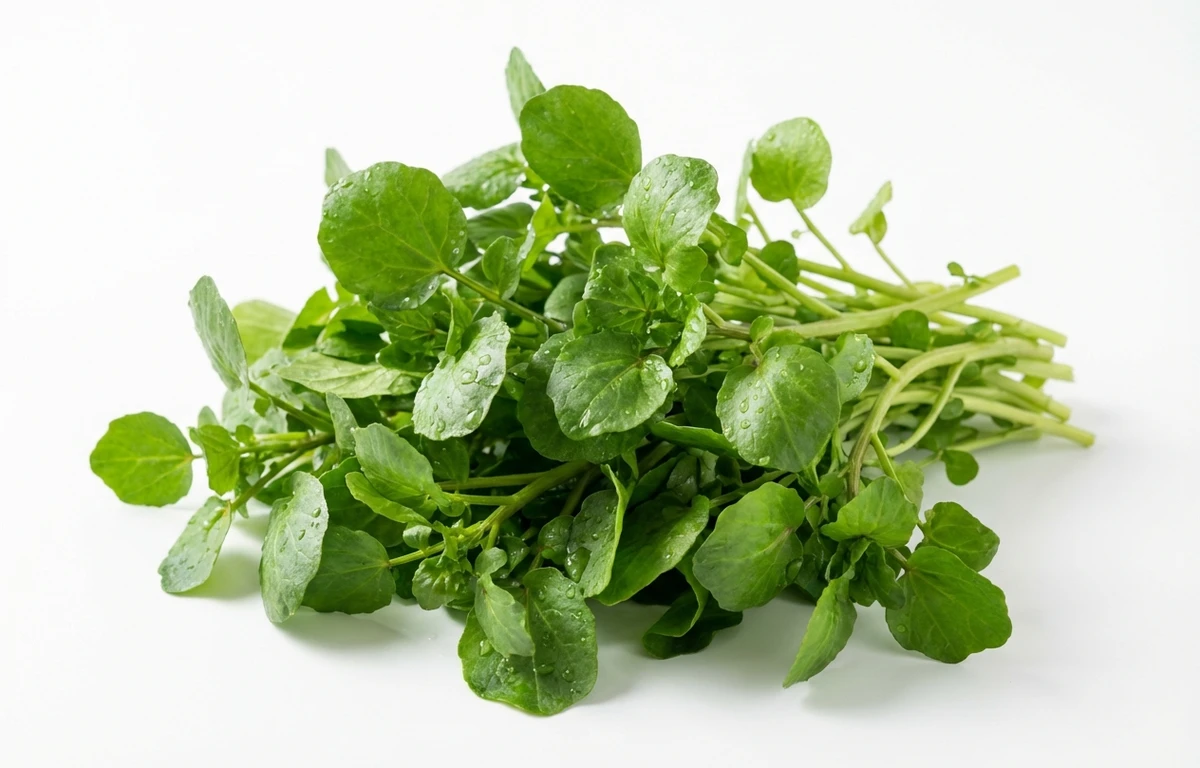
raw watercress.
VegetarianVeganGluten-freeDairy-freeNut-freePeanut-freeSoy-freeEgg-freeShellfish-freeHoney-freeAlcohol-free
SERVING
CALORIES
15
PROTEIN
2.3g
CARBS
1.3g
FAT
0.10g
FIBER
0.50g
This ingredient is flagged as naturally gluten-free. Per 100 g, it provides 250 µg of vitamin K.
NUTRITION PROFILE · per 100 g
Everything in this ingredient.
MACRONUTRIENTS
Calories15.3kcal—
Protein2.3g5%
Carbohydrates1.3g0%
Fiber0.50g2%
Sugar0.20g0%
Total fat0.10g0%
Saturated fat0.03g0%
Trans fat0g—
Cholesterol0mg0%
Water95.1g—
MINERALS
Sodium41mg2%
Potassium330mg7%
Calcium120mg9%
Iron0.20mg1%
Magnesium21mg5%
Phosphorus60mg5%
Zinc0.11mg1%
Copper0.08mg9%
Manganese0.24mg10%
Selenium0.90µg2%
VITAMINS
Vitamin A160µg18%
Vitamin C43mg48%
Vitamin D0µg0%
Vitamin E1.0mg7%
Vitamin K250µg208%
Thiamin (B1)0.09mg8%
Riboflavin (B2)0.12mg9%
Niacin (B3)0.20mg1%
Pantothenic acid (B5)0.31mg6%
Vitamin B60.13mg8%
Folate (B9)9.0µg2%
Vitamin B120µg0%
%DV based on a 2,000 cal diet. Source: USDA FoodData Central. A dash in the %DV column means there’s no established Daily Value for that nutrient.
MEASUREMENT CONVERSIONS
How much is what.
1 cup34g
1 tablespoon2g
HEALTH BENEFITS
Why eat it.
- ✓Contains nitrates that can help lower blood pressure and improve blood vessel function.
COOKING TIPS
In the kitchen.
- 1Enjoy raw in salads, sandwiches, or as a garnish to appreciate its peppery flavor and delicate texture.
- 2If cooking, add it at the very end to soups, stir-fries, or sauces, as it wilts in seconds and overcooking diminishes its flavor and nutrients.
- 3Blend into smoothies, pestos, or green juices for a spicy, nutrient-packed kick.
- 4Lightly sauté with garlic and olive oil for a simple and flavorful side dish.
STORAGE
Keep it fresh.
- Store in the refrigerator with the stems in a jar of water, covered loosely with a plastic bag, for up to 5 days.
- Alternatively, wrap the unwashed bunch in damp paper towels, place inside a plastic bag, and keep in the crisper drawer.
FAQ
Frequently asked questions.
How many calories and carbs are in watercress?
Watercress is very low in calories, containing only 11 calories per 100g. It is also low in carbohydrates, with just 1.29g per 100g, making it an excellent choice for almost any weight-loss or low-carb diet.
Is watercress keto-friendly?
Yes, watercress is highly keto-friendly. Because it contains less than 1.3g of carbs per 100g and provides essential electrolytes and vitamins, it is a perfect leafy green for those following a ketogenic lifestyle.
Is watercress vegan and gluten-free?
Yes, watercress is a natural leafy green vegetable and is inherently both vegan and gluten-free. It is a safe and nutritious addition to plant-based and celiac-friendly diets.
What does raw watercress taste like?
Raw watercress has a bright, peppery, and slightly spicy flavor profile, similar to arugula or radishes. The leaves are tender while the stems provide a crisp, refreshing crunch.
Can you eat watercress raw?
Yes, watercress is most commonly eaten raw in salads, sandwiches, and smoothies to preserve its heat-sensitive Vitamin C. While it can be cooked into soups, eating it raw maintains its signature peppery bite.
How do you prepare watercress for a salad?
Thoroughly wash the watercress in cold water to remove any sediment. Trim off any particularly thick or woody stems, though the thinner stems are completely edible and offer a pleasant texture.
How do you store fresh watercress to keep it crisp?
Store watercress by placing the stems in a jar of water, covering the tops loosely with a plastic bag, and keeping it in the fridge. Alternatively, wrap it in damp paper towels and place it in a sealed container.
How long does watercress last and how do I know if it's spoiled?
Fresh watercress typically lasts 3 to 5 days in the refrigerator. It has spoiled if the leaves begin to turn yellow, feel slimy to the touch, or develop a wilted, dark appearance and off-smell.
RECIPES
Cook with raw watercress.
8 recipes · sorted by what’s quick



















