
Grain
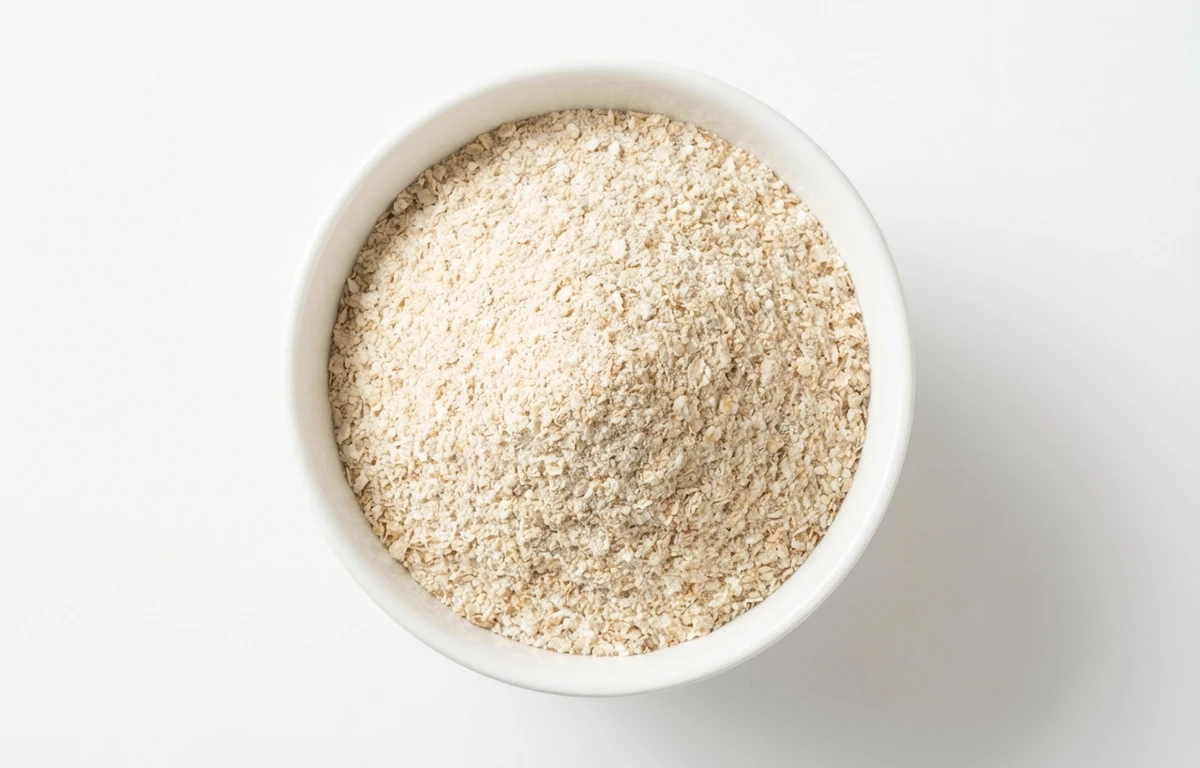
raw white sorghum bran.
VegetarianVeganGluten-freeDairy-freeNut-freePeanut-freeSoy-freeEgg-freeShellfish-freeHoney-freeAlcohol-free
ALSO KNOWN AS
white jowar bransorghum bicolor bransafed jowar chokarmilo bran
SERVING
CALORIES
360
PROTEIN
11.5g
CARBS
72g
FAT
5.2g
FIBER
42g
NUTRITION PROFILE · per 100 g
Everything in this ingredient.
MACRONUTRIENTS
Calories360kcal—
Protein11.5g23%
Carbohydrates72g26%
Fiber42g150%
Sugar1.5g3%
Total fat5.2g7%
Saturated fat0.80g4%
Trans fat0g—
Cholesterol0mg0%
Water9.0g—
MINERALS
Sodium5.0mg0%
Potassium450mg10%
Calcium35mg3%
Iron6.5mg36%
Magnesium210mg50%
Phosphorus380mg30%
Zinc2.8mg25%
Copper0.40mg44%
Manganese1.8mg78%
Selenium15µg27%
VITAMINS
Vitamin A0µg0%
Vitamin C0mg0%
Vitamin D0µg0%
Vitamin E0.60mg4%
Vitamin K0µg0%
Thiamin (B1)0.45mg38%
Riboflavin (B2)0.15mg12%
Niacin (B3)4.2mg26%
Pantothenic acid (B5)0.80mg16%
Vitamin B60.50mg29%
Folate (B9)35µg9%
Vitamin B120µg0%
%DV based on a 2,000 cal diet. Source: USDA FoodData Central. A dash in the %DV column means there’s no established Daily Value for that nutrient.
MEASUREMENT CONVERSIONS
How much is what.
1 cup60g
1 tablespoon4g
1 teaspoon1.3g
1 oz28.4g
1 lb453.6g
1 ml0.3g
1 liter250g
HEALTH BENEFITS
Why eat it.
- ✓Extremely high in dietary fiber for digestive health
- ✓Naturally gluten-free, safe for celiacs
- ✓Rich in phenolic antioxidants that reduce inflammation
- ✓Helps manage blood sugar levels due to slow digestion
- ✓Contains essential minerals like magnesium and iron
COOKING TIPS
In the kitchen.
- 1Mix into wheat flour (atta) for rotis or breads to boost fiber
- 2Toast lightly in a dry pan to enhance the nutty flavor before use
- 3Add to smoothies, yogurt, or oatmeal for a nutritional boost
STORAGE
Keep it fresh.
- Store in an airtight container in a cool, dark place for up to 3 months
- Refrigerate or freeze to extend shelf life and prevent oil rancidity
- Keep away from moisture to prevent clumping and mold growth
FAQ
Frequently asked questions.
Is sorghum bran gluten-free?
Yes, sorghum is naturally gluten-free, making its bran a safe high-fiber alternative for those with celiac disease or gluten sensitivity.
How long does sorghum bran last?
At room temperature, it lasts about 2-3 months. In the refrigerator, it can last up to 6 months, and in the freezer, up to a year.
What is the best substitute for sorghum bran?
Oat bran is the best gluten-free substitute. If gluten is not a concern, wheat bran is a common alternative.
How do I pick high-quality sorghum bran?
Look for a uniform cream or light tan color. It should have a mild, nutty aroma; avoid any that smells musty or sour, which indicates rancidity.
Can I eat sorghum bran raw?
Yes, it can be eaten raw by adding it to smoothies or yogurt, though many prefer it baked into foods or lightly toasted.
Does sorghum bran help with weight loss?
Yes, its very high fiber content promotes satiety, helping you feel full longer and reducing overall calorie intake.
How do I use it in baking?
You can replace about 10-15% of the flour in recipes for muffins, breads, or cookies with sorghum bran to increase fiber without ruining the texture.
Is sorghum bran the same as sorghum flour?
No, sorghum flour is made from the whole grain or the endosperm, while bran is specifically the outer protective layer of the grain.



















