
Loading...
Per 100g
Nutrition data source: USDA FoodData Central
Common measurement equivalents in grams
Duck eggs are more nutrient-dense than chicken eggs, providing higher amounts of protein (14.6g per 100g) and omega-3 fatty acids. They also contain significantly more vitamin B12 and vitamin A, though they are higher in calories and cholesterol.
Duck eggs are an excellent source of choline, which is vital for brain health and memory. They also provide high concentrations of antioxidants like selenium and carotenoids, which help protect cells from oxidative damage and support immune function.
Yes, duck eggs are highly keto-friendly as they contain 0g of carbohydrates and a high fat content of 13.83g per 100g. The combination of high protein and healthy fats makes them an ideal choice for low-carb and ketogenic lifestyles.
Many people who are allergic to chicken eggs can safely consume duck eggs because the proteins in duck eggs are structurally different. However, you should consult with an allergist before trying them, as cross-reactivity is still possible for some individuals.
Duck eggs have a richer, creamier, and more intense flavor than chicken eggs due to their larger yolk-to-white ratio and higher fat content. Some people describe the taste as slightly more 'gamey' or savory.
Duck eggs can be fried, poached, or boiled just like chicken eggs, but they require slightly more time due to their larger size and thicker shells. Be careful not to overcook them, as the higher protein content can cause the whites to become rubbery if exposed to high heat for too long.
Bakers often prefer duck eggs because their higher protein content provides more structure and lift to cakes and breads. The extra fat in the yolk also results in a richer flavor and a moister, fluffier texture in finished baked goods.
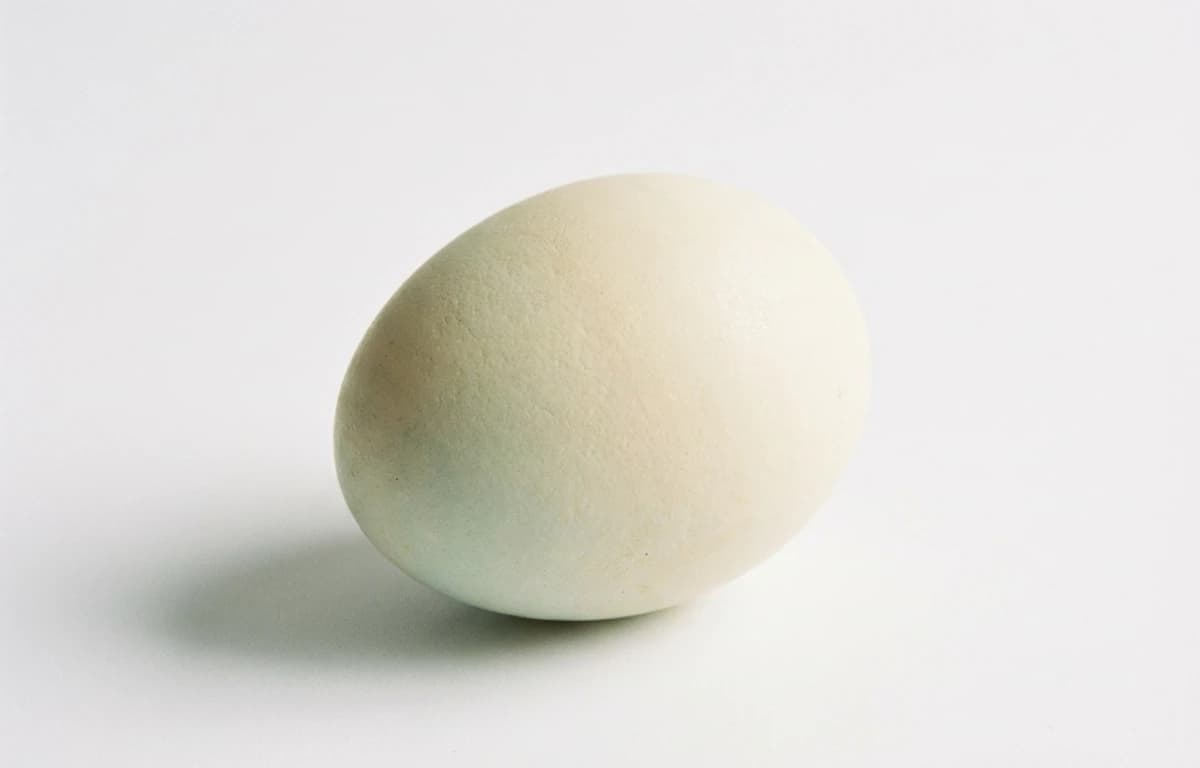
raw whole duck egg is a versatile ingredient found in cuisines around the world. With 181.64 calories per 100g and 14.6 grams of protein, it's a nutritious addition to many dishes.
Explore more ingredients in the other category with complete nutrition information.
View all other →Discover 0 recipes featuring raw whole duck egg with step-by-step instructions.
Browse recipes →Duck eggs should be stored in the refrigerator in their original carton to maintain freshness. Because they have thicker shells than chicken eggs, they often stay fresh longer, typically lasting up to 6 weeks when properly refrigerated.
Consuming raw duck eggs carries a risk of Salmonella, similar to chicken eggs. It is generally recommended to cook them until the yolks and whites are firm, or to an internal temperature of 160°F (71°C), to ensure food safety.
You can use the 'float test' by placing the egg in a bowl of water; fresh eggs will sink and lay flat on the bottom, while older eggs will float. Additionally, a fresh duck egg will have a very thick white and a firm, upright yolk when cracked.