
Other
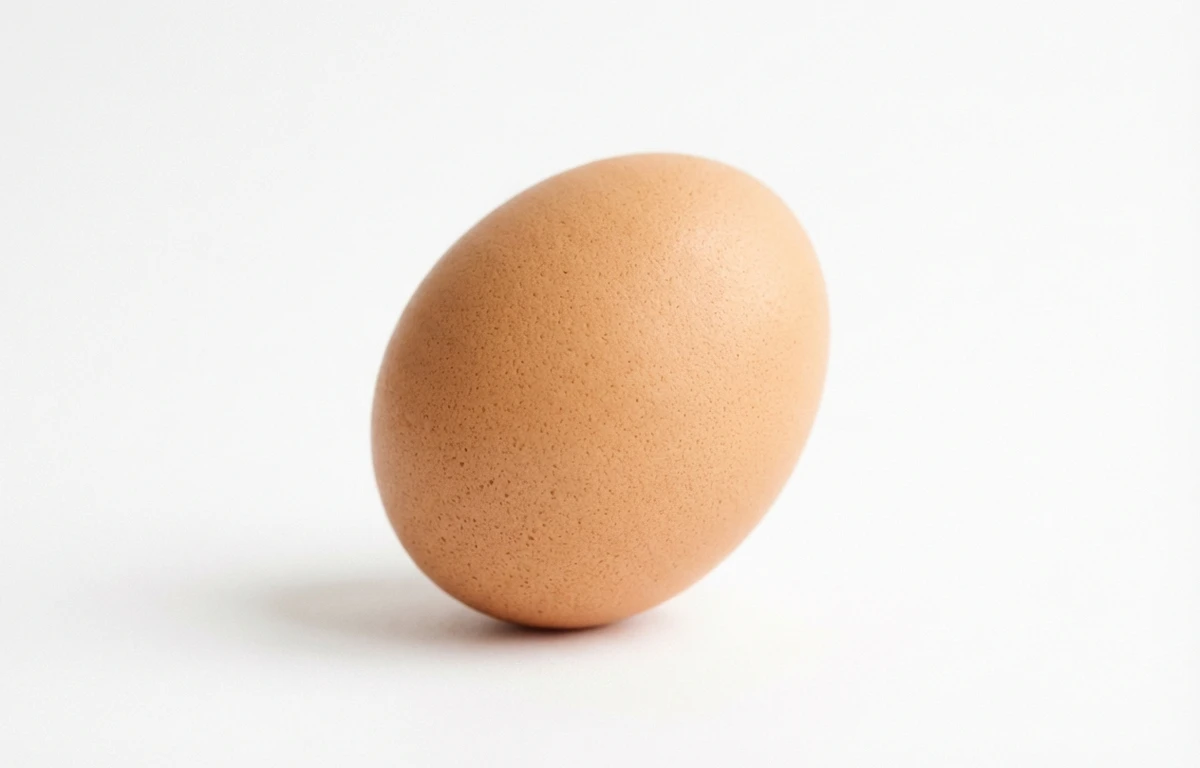
raw whole poultry egg.
VegetarianVeganGluten-freeDairy-freeNut-freePeanut-freeSoy-freeEgg-freeShellfish-freeHoney-freeAlcohol-free
SERVING
CALORIES
135
PROTEIN
13.3g
CARBS
0g
FAT
9.2g
FIBER
0g
This ingredient is flagged as naturally gluten-free. Per 100 g, it provides 14.6 µg of vitamin K.
NUTRITION PROFILE · per 100 g
Everything in this ingredient.
MACRONUTRIENTS
Calories135kcal—
Protein13.3g27%
Carbohydrates0g0%
Fiber0g0%
Sugar0g0%
Total fat9.2g12%
Saturated fat3.0g15%
Trans fat0g—
Cholesterol366mg122%
Water76.5g—
MINERALS
Sodium123mg5%
Potassium138mg3%
Calcium49.4mg4%
Iron1.8mg10%
Magnesium12mg3%
Phosphorus185mg15%
Zinc1.2mg11%
Copper0.07mg8%
Manganese0.02mg1%
Selenium40.4µg74%
VITAMINS
Vitamin A213µg24%
Vitamin C0mg0%
Vitamin D0.84µg4%
Vitamin E1.5mg10%
Vitamin K14.6µg12%
Thiamin (B1)0.06mg5%
Riboflavin (B2)0.19mg15%
Niacin (B3)0.11mg1%
Pantothenic acid (B5)1.5mg29%
Vitamin B60.16mg9%
Biotin (B7)18.2µg61%
Folate (B9)49.3µg12%
%DV based on a 2,000 cal diet. Source: USDA FoodData Central. A dash in the %DV column means there’s no established Daily Value for that nutrient.
MEASUREMENT CONVERSIONS
How much is what.
1 cup247.2g
1 tablespoon15.5g
1 teaspoon5.2g
1 oz28.4g
1 lb453.6g
1 ml1g
1 liter1030g
1 piece56g
HEALTH BENEFITS
Why eat it.
- ✓Excellent source of high-quality complete protein, essential for muscle repair and growth.
- ✓Rich in choline, a crucial nutrient for brain development, memory, and nervous system function.
COOKING TIPS
In the kitchen.
- 1To test for freshness, place an egg in a bowl of water; fresh eggs will sink to the bottom, while older eggs will float.
- 2For easier peeling of hard-boiled eggs, use eggs that are a week or two old rather than very fresh ones.
- 3Bring eggs to room temperature before using in baking recipes for better volume and a more even texture in cakes and soufflés.
- 4To avoid foodborne illness, cook eggs until both the yolk and white are firm. If using raw or lightly cooked eggs in recipes like Caesar dressing or hollandaise, use pasteurized eggs.
STORAGE
Keep it fresh.
- Store eggs in their original carton in the main body of the refrigerator at or below 40°F (4°C), not in the door where temperatures fluctuate.
- For best quality, use raw shell eggs within 3 to 5 weeks of the date you purchase them.
FAQ
Frequently asked questions.
How much protein is in a whole egg?
A single large egg typically contains about 6 to 7 grams of protein. Per 100g, eggs provide approximately 13.28g of protein, containing all nine essential amino acids necessary for muscle repair and growth.
Are eggs keto-friendly?
Absolutely. Eggs are a staple of the ketogenic diet because they contain zero carbohydrates and a healthy balance of fats and protein. They help maintain ketosis while providing essential micronutrients like Vitamin D and choline.
Are eggs considered vegan?
No, eggs are not vegan because they are an animal byproduct. However, they are considered vegetarian—specifically ovo-vegetarian—as they do not involve the consumption of animal flesh.
Is it safe to eat raw eggs?
Consuming raw eggs carries a risk of Salmonella, a type of food poisoning. It is generally recommended to cook eggs until the yolks are firm or use pasteurized eggs for recipes requiring raw ingredients. Additionally, cooking eggs increases the bioavailability of the protein and the B-vitamin biotin.
How can I tell if an egg is still fresh?
You can use the 'float test' by placing the egg in a bowl of water. Fresh eggs sink and lay flat on the bottom, while older eggs stand upright or float because the internal air cell expands over time. If an egg floats to the surface, it is likely spoiled and should be discarded.
Are eggs dairy-free?
Yes, eggs are dairy-free. Although they are often sold in the dairy aisle and are animal products, they do not contain lactose or milk proteins. They are perfectly safe for individuals with lactose intolerance or milk allergies.



















