
Fruit
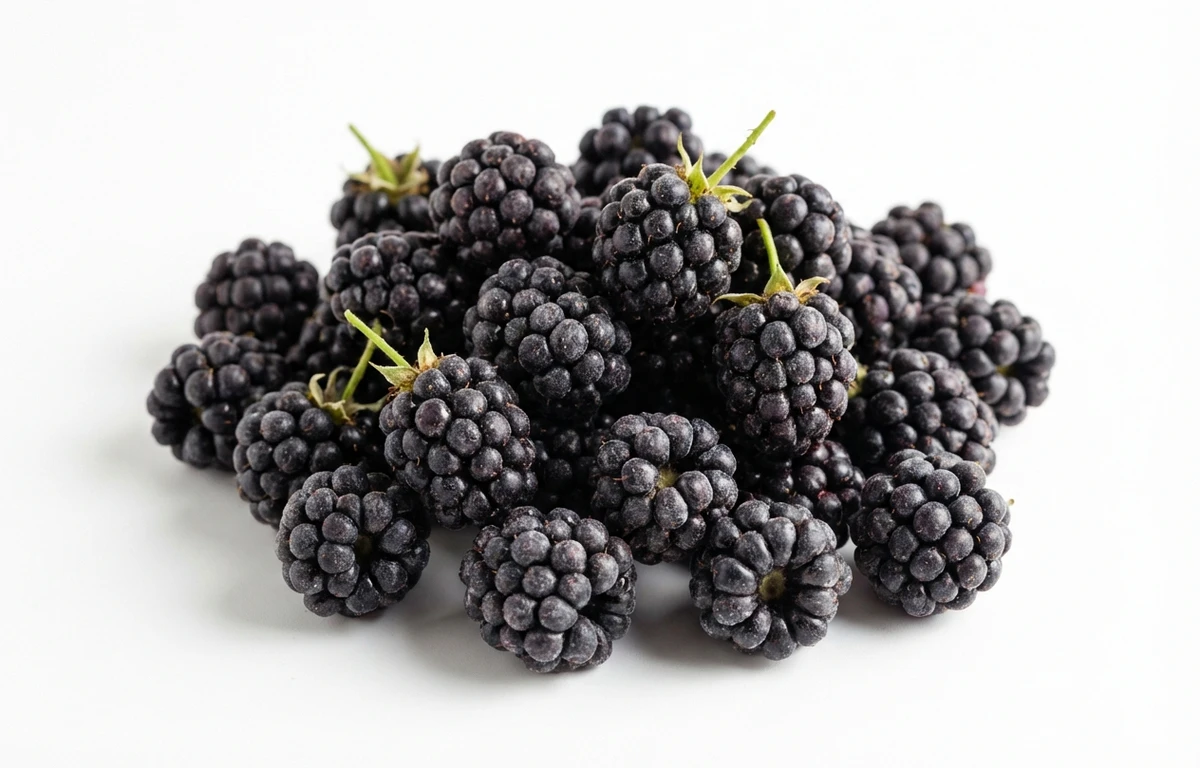
raw wild blackberry.
VegetarianVeganGluten-freeDairy-freeNut-freePeanut-freeSoy-freeEgg-freeShellfish-freeHoney-freeAlcohol-freeHalalKosher
ALSO KNOWN AS
blackberry
SERVING
CALORIES
52
PROTEIN
0.84g
CARBS
9.8g
FAT
1.1g
FIBER
3.2g
NUTRITION PROFILE · per 100 g
Everything in this ingredient.
MACRONUTRIENTS
Calories52kcal—
Protein0.84g2%
Carbohydrates9.8g4%
Fiber3.2g11%
Sugar3.6g7%
Total fat1.1g1%
Saturated fat0.01g0%
Water88g—
MINERALS
Sodium6.0mg0%
Potassium75mg2%
Calcium5.0mg0%
Iron0.21mg1%
Magnesium4.0mg1%
Phosphorus11mg1%
Zinc0.15mg1%
Copper0.22mg24%
Manganese0.29mg13%
VITAMINS
Vitamin A5.0µg1%
Vitamin C4.7mg5%
Vitamin E0.91mg6%
Vitamin K5.9µg5%
Thiamin (B1)0.06mg5%
Riboflavin (B2)0.14mg11%
Niacin (B3)0.31mg2%
Pantothenic acid (B5)1.3mg25%
Vitamin B60.04mg2%
Folate (B9)11µg3%
Vitamin B120µg0%
%DV based on a 2,000 cal diet. Source: USDA FoodData Central. A dash in the %DV column means there’s no established Daily Value for that nutrient.
MEASUREMENT CONVERSIONS
How much is what.
1 cup157g
1 tablespoon9.8g
1 teaspoon3.3g
1 ml0.7g
1 liter654.2g
HEALTH BENEFITS
Why eat it.
- ✓Rich in antioxidants, particularly anthocyanins, which help combat oxidative stress and may reduce the risk of chronic diseases.
- ✓High in dietary fiber, promoting digestive health, regular bowel movements, and supporting a healthy gut microbiome.
- ✓Excellent source of Vitamin C and Vitamin K, which are crucial for immune function, skin health, and blood clotting.
- ✓May improve brain health and memory due to their high flavonoid content, which can reduce inflammation in the brain.
COOKING TIPS
In the kitchen.
- 1Gently fold raw blackberries into yogurt, oatmeal, or salads to add flavor and texture without crushing them.
- 2To make a simple sauce or compote, simmer blackberries with a small amount of sugar or maple syrup and a squeeze of lemon juice until they break down.
- 3Wild blackberries can be tarter than cultivated ones; taste and adjust sweetness accordingly when using them in pies, crumbles, or jams.
- 4Muddle fresh blackberries with mint and lime for a refreshing addition to water, lemonade, or cocktails.
STORAGE
Keep it fresh.
- Store unwashed blackberries in a single layer in a breathable container in the refrigerator for 2-3 days. Wash just before eating to prevent mold.
- For long-term storage, freeze blackberries on a baking sheet in a single layer until solid, then transfer to an airtight freezer bag for up to 6 months.
FAQ
Frequently asked questions.
Are wild blackberries healthy?
Yes, wild blackberries are highly nutritious and low in calories. They are packed with antioxidants like anthocyanins, which help fight oxidative stress, and provide significant amounts of Vitamin C and K for immune and bone health.
How many calories and carbs are in wild blackberries?
A 100g serving of raw wild blackberries contains approximately 52 calories and 9.84g of carbohydrates. Because they are high in fiber, the net carb count is relatively low, making them a nutrient-dense fruit choice.
Are wild blackberries keto-friendly?
Yes, wild blackberries can be included in a keto diet when consumed in moderation. With roughly 5g of net carbs per 100g (total carbs minus fiber), they are among the lower-sugar fruit options suitable for low-carb lifestyles.
What are the primary health benefits of wild blackberries?
They support digestive health through high fiber content and may improve brain function and memory due to their flavonoid content. Additionally, their high Vitamin C levels support skin health and immune function.
Are wild blackberries vegan and gluten-free?
Yes, wild blackberries are a natural, unprocessed fruit. They are inherently vegan, gluten-free, and free from common allergens, making them suitable for almost any dietary restriction.
What do wild blackberries taste like compared to store-bought ones?
Wild blackberries are typically smaller and have a more intense, complex flavor than cultivated varieties. They offer a deep balance of tartness and sweetness, often with earthy or floral undertones.
How should I wash and prepare raw wild blackberries?
Gently rinse them in a colander with cool water just before you plan to eat them to prevent them from becoming mushy. Since they are wild, inspect them carefully for small insects or debris that may be hidden in the berry's segments.
How do I store fresh wild blackberries and how long do they last?
Store them unwashed in the refrigerator in a shallow, breathable container lined with a paper towel. They are highly perishable and usually only stay fresh for 2 to 3 days after being harvested.
Can I freeze wild blackberries?
Yes, they freeze exceptionally well for use in smoothies or baking. To prevent clumping, freeze them in a single layer on a baking sheet first, then transfer the frozen berries into a sealed freezer bag.
Are wild blackberries safe to eat raw?
Yes, they are safe and most nutritious when eaten raw. However, ensure they were harvested from an area away from heavy road pollution or pesticide spraying, and always wash them thoroughly to remove environmental contaminants.



















