
Meat
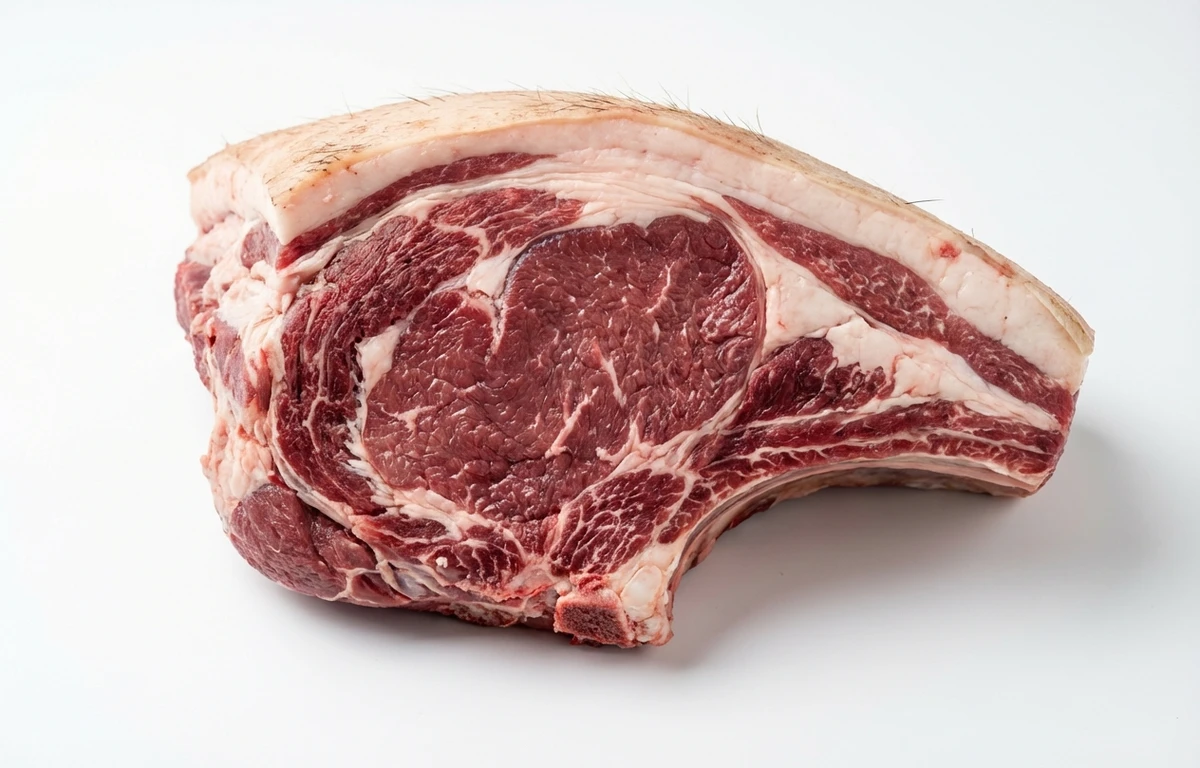
raw wild boar.
VegetarianVeganGluten-freeDairy-freeNut-freePeanut-freeSoy-freeEgg-freeShellfish-freeHoney-freeAlcohol-freeHalalKosher
ALSO KNOWN AS
wild pigferal hogsanglierjabalíjangli suarwild hog
SERVING
CALORIES
160
PROTEIN
21.5g
CARBS
0g
FAT
8.2g
FIBER
0g
NUTRITION PROFILE · per 100 g
Everything in this ingredient.
MACRONUTRIENTS
Calories160kcal—
Protein21.5g43%
Carbohydrates0g0%
Fiber0g0%
Sugar0g0%
Total fat8.2g11%
Saturated fat2.5g13%
Trans fat0g—
Cholesterol77mg26%
Water69.5g—
MINERALS
Sodium50mg2%
Potassium350mg7%
Calcium15mg1%
Iron1.1mg6%
Magnesium22mg5%
Phosphorus200mg16%
Zinc3.5mg32%
Copper0.10mg11%
Manganese0.01mg0%
Selenium12.5µg23%
VITAMINS
Vitamin A0µg0%
Vitamin C0mg0%
Vitamin D0.10µg1%
Vitamin E0.20mg1%
Vitamin K0µg0%
Thiamin (B1)0.40mg33%
Riboflavin (B2)0.20mg15%
Niacin (B3)4.5mg28%
Pantothenic acid (B5)0.70mg14%
Vitamin B60.40mg24%
Folate (B9)5.0µg1%
Vitamin B120.80µg33%
%DV based on a 2,000 cal diet. Source: USDA FoodData Central. A dash in the %DV column means there’s no established Daily Value for that nutrient.
MEASUREMENT CONVERSIONS
How much is what.
1 cup250g
1 tablespoon15.6g
1 teaspoon5.2g
1 oz28.4g
1 lb453.6g
1 ml1g
1 liter1040g
1 piece150g
HEALTH BENEFITS
Why eat it.
- ✓High quality complete protein source for muscle repair
- ✓Leaner alternative to domestic pork with lower calorie density
- ✓Rich in B vitamins which support energy metabolism
- ✓Good source of zinc for immune system support
- ✓Contains essential minerals like iron and phosphorus
COOKING TIPS
In the kitchen.
- 1Cook to an internal temperature of 160°F (71°C) to ensure safety
- 2Use low and slow cooking methods like braising for tougher cuts
- 3Marinate for several hours to help tenderize the lean muscle fibers
STORAGE
Keep it fresh.
- Store in the coldest part of the refrigerator for no more than 1-2 days
- Freeze in airtight, vacuum-sealed bags for up to 6-12 months
- Keep raw meat separate from other foods to prevent cross-contamination
FAQ
Frequently asked questions.
How long does raw wild boar last in the fridge?
Raw wild boar should be used within 1 to 2 days of purchase if kept refrigerated at 40°F (4°C) or below.
Can wild boar be frozen?
Yes, it freezes very well. For best quality, vacuum seal it and use within 6 to 12 months.
What does wild boar taste like?
It has a deeper, richer, and more 'nutty' or 'gamey' flavor compared to domestic pork, and is significantly leaner.
Is wild boar considered pork?
Yes, wild boar belongs to the same family as domestic pigs (Suidae) and is considered a type of pork, though its nutritional profile is different.
What is a good substitute for wild boar?
Lean cuts of domestic pork, venison, or even buffalo can be used as substitutes depending on the recipe.
How should I prepare wild boar to reduce the gamey taste?
Soaking the meat in milk, buttermilk, or a vinegar-based marinade overnight can help mellow the strong gamey flavor.
Is wild boar healthier than regular pork?
Generally yes, as it is lower in fat and calories while being higher in protein and certain minerals like iron.
What are the best cooking methods for wild boar?
Because it is very lean, it can dry out quickly. Braising, stewing, and slow-roasting are ideal for most cuts.
Are there any safety concerns with wild boar?
Like all wild game and pork, it must be cooked thoroughly to 160°F (71°C) to eliminate the risk of parasites like Trichinella.
How do I select high-quality wild boar?
Look for meat that is dark red in color (much darker than domestic pork) with a firm texture and no off-smells.



















