
Seafood
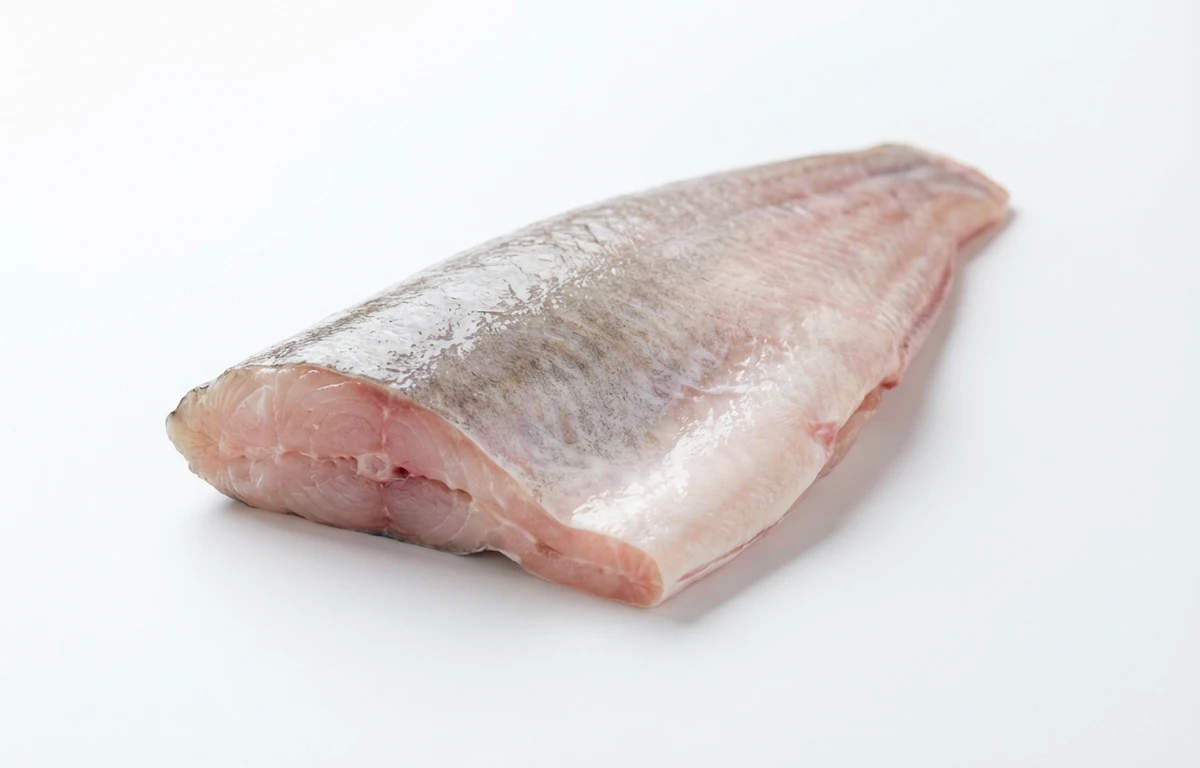
raw wild catfish.
VegetarianVeganGluten-freeDairy-freeNut-freePeanut-freeSoy-freeEgg-freeShellfish-freeHoney-freeAlcohol-freeKosher
SERVING
CALORIES
95
PROTEIN
16.4g
CARBS
0g
FAT
2.8g
FIBER
0g
NUTRITION PROFILE · per 100 g
Everything in this ingredient.
MACRONUTRIENTS
Calories95kcal—
Protein16.4g33%
Carbohydrates0g0%
Fiber0g0%
Sugar0g0%
Total fat2.8g4%
Saturated fat0.60g3%
Trans fat0g—
Cholesterol58mg19%
Water79.5g—
MINERALS
Sodium43mg2%
Potassium358mg8%
Calcium14mg1%
Iron0.30mg2%
Magnesium23mg5%
Phosphorus209mg17%
Zinc0.50mg5%
Copper0.02mg2%
Manganese0.01mg0%
Selenium12.6µg23%
VITAMINS
Vitamin A15µg2%
Vitamin C0mg0%
Vitamin D12.5µg63%
Vitamin E0.70mg5%
Vitamin K0.10µg0%
Thiamin (B1)0.20mg17%
Riboflavin (B2)0.10mg8%
Niacin (B3)2.4mg15%
Pantothenic acid (B5)0.80mg16%
Vitamin B60.20mg12%
Folate (B9)10µg3%
Vitamin B122.9µg121%
%DV based on a 2,000 cal diet. Source: USDA FoodData Central. A dash in the %DV column means there’s no established Daily Value for that nutrient.
MEASUREMENT CONVERSIONS
How much is what.
1 cup250g
1 tablespoon15.6g
1 teaspoon5.2g
1 oz28.4g
1 lb453.6g
1 ml1g
1 liter1040g
1 piece170g
HEALTH BENEFITS
Why eat it.
- ✓Excellent source of Vitamin B12 for nerve health
- ✓High in Vitamin D for bone strength and immunity
- ✓Lean source of high-quality protein
- ✓Contains heart-healthy Omega-3 fatty acids
- ✓Low in mercury compared to larger predatory fish
COOKING TIPS
In the kitchen.
- 1Pat the fish completely dry before cooking to ensure a crisp exterior
- 2Wild catfish has a firmer texture and more robust flavor than farmed
- 3Avoid overcooking; the fish is done when it flakes easily with a fork
STORAGE
Keep it fresh.
- Store in the coldest part of the refrigerator for 1-2 days
- Freeze in airtight, moisture-proof wrap for up to 6 months
- Thaw slowly in the refrigerator overnight before cooking
FAQ
Frequently asked questions.
How long does raw wild catfish last in the fridge?
Raw wild catfish should be used within 1 to 2 days of purchase if kept refrigerated at 40°F (4°C) or below.
Can I freeze raw catfish?
Yes, catfish freezes well. Wrap it tightly in plastic wrap and then foil or a freezer bag to prevent freezer burn; it lasts up to 6 months.
How can I tell if wild catfish is fresh?
Fresh catfish should have firm, translucent flesh, a mild scent (not 'fishy' or ammonia-like), and no slimy residue.
What is a good substitute for wild catfish?
Swai, Tilapia, Basa, or even Cod can be used as substitutes, though wild catfish has a more distinct, earthy flavor.
Is wild catfish high in mercury?
No, catfish is generally considered a low-mercury fish, making it a safer choice for regular consumption.
What are the best cooking methods for wild catfish?
It is highly versatile and can be fried, grilled, baked, or used in stews and chowders.
Does wild catfish taste different from farmed catfish?
Yes, wild catfish often has a more varied, 'fishier' or earthier flavor and a leaner, firmer texture compared to the milder, fattier farmed variety.
How do I remove the 'muddy' taste sometimes found in wild catfish?
Soaking the fillets in milk or a light brine for 30 minutes before cooking can help neutralize earthy or muddy flavors.



















