
Poultry
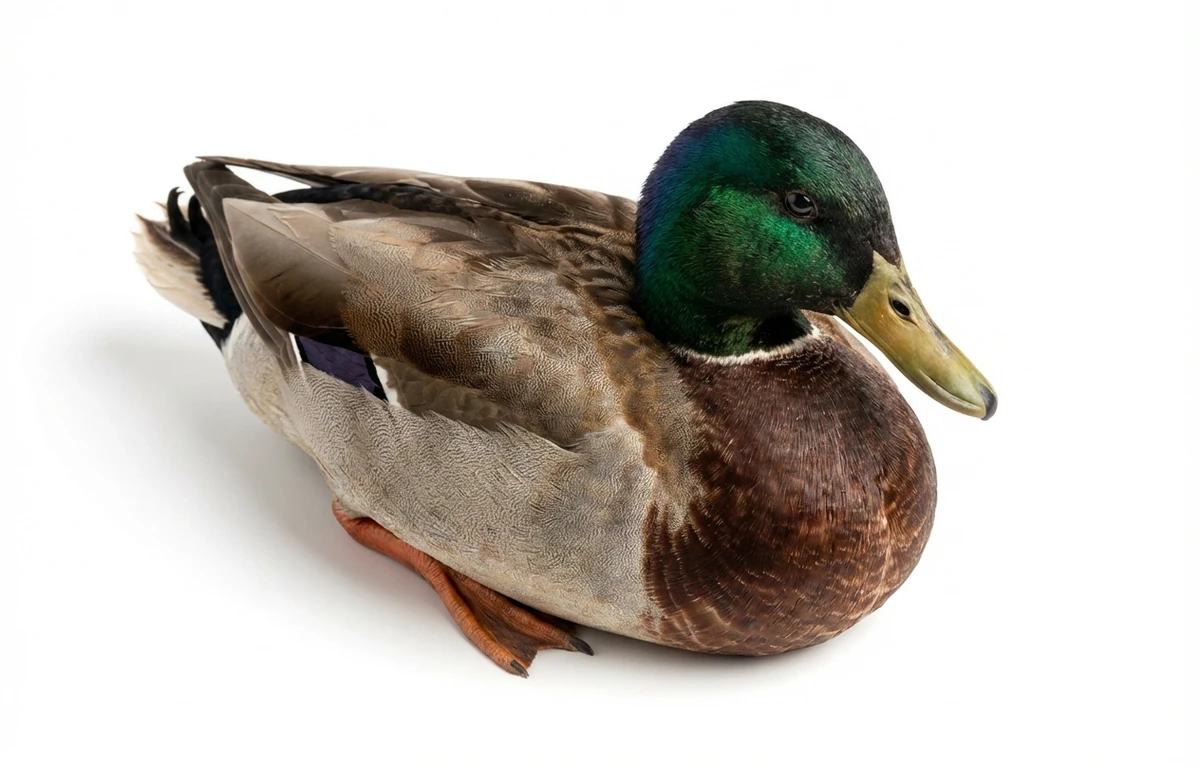
raw wild duck.
VegetarianVeganGluten-freeDairy-freeNut-freePeanut-freeSoy-freeEgg-freeShellfish-freeHoney-freeAlcohol-free
ALSO KNOWN AS
wild duck
SERVING
CALORIES
123
PROTEIN
19.8g
CARBS
0g
FAT
4.3g
FIBER
0g
NUTRITION PROFILE · per 100 g
Everything in this ingredient.
MACRONUTRIENTS
Calories123kcal—
Protein19.8g40%
Carbohydrates0g0%
Fiber0g0%
Sugar0g0%
Total fat4.3g6%
Saturated fat1.4g7%
Trans fat0g—
Cholesterol77mg26%
Water74.5g—
MINERALS
Sodium58mg3%
Potassium285mg6%
Calcium10mg1%
Iron4.5mg25%
Magnesium20mg5%
Phosphorus203mg16%
Zinc1.9mg17%
Copper0.20mg22%
Manganese0.02mg1%
Selenium14µg25%
VITAMINS
Vitamin A20µg2%
Vitamin C0mg0%
Vitamin D0.10µg1%
Vitamin E0.70mg5%
Vitamin K1.1µg1%
Thiamin (B1)0.17mg14%
Riboflavin (B2)0.28mg22%
Niacin (B3)4.8mg30%
Pantothenic acid (B5)1.1mg22%
Vitamin B60.50mg29%
Folate (B9)6.0µg2%
Vitamin B120.40µg17%
%DV based on a 2,000 cal diet. Source: USDA FoodData Central. A dash in the %DV column means there’s no established Daily Value for that nutrient.
MEASUREMENT CONVERSIONS
How much is what.
1 cup140g
1 tablespoon8.8g
1 teaspoon2.9g
1 ml0.6g
1 liter583.3g
1 piece120g
HEALTH BENEFITS
Why eat it.
- ✓Excellent source of lean, high-quality protein, which is essential for muscle repair and growth.
- ✓Rich in heme iron, a highly bioavailable form of iron that helps prevent anemia and supports oxygen transport in the blood.
- ✓Provides significant amounts of B vitamins, particularly niacin (B3) and B12, crucial for energy metabolism and nervous system health.
- ✓Good source of selenium, an antioxidant that supports immune function and thyroid health.
COOKING TIPS
In the kitchen.
- 1Due to its lean nature, avoid overcooking wild duck. Cook breasts to medium-rare (135°F / 57°C) to keep them tender and juicy.
- 2The flavor is more pronounced or 'gamey' than farmed duck. Marinating in wine, citrus, or buttermilk can help tenderize the meat and mellow the flavor.
- 3Score the skin and render the fat slowly over low heat before searing to achieve a crispy texture.
- 4Pair with robust, fruity sauces such as cherry, plum, or orange to complement its rich, deep flavor.
STORAGE
Keep it fresh.
- Refrigerate raw wild duck immediately at 40°F (4°C) or below and use within 1-2 days.
- For long-term storage, freeze at 0°F (-18°C) in an airtight, vacuum-sealed, or heavy-duty freezer bag for up to 6 months for optimal quality.
- Thaw frozen duck safely in the refrigerator over 24-48 hours; never thaw at room temperature.
FAQ
Frequently asked questions.
Is wild duck healthy?
Yes, wild duck is a highly nutritious, lean protein source. It is rich in heme iron for blood health, B vitamins for energy metabolism, and selenium, which supports the immune system and thyroid function.
How much protein is in wild duck?
A 100g serving of raw wild duck contains approximately 19.8g of high-quality protein. This makes it an excellent choice for muscle repair and growth, comparable to other lean meats.
Is wild duck good for weight loss?
Yes, wild duck is very conducive to weight loss as it is low in calories (123 per 100g) and low in fat (4.3g). Its high protein content also helps promote satiety, keeping you full for longer periods.
Is wild duck keto-friendly?
Absolutely. Wild duck contains 0g of carbohydrates, making it a perfect protein source for ketogenic and other low-carb diets. It provides essential fats and proteins without impacting blood sugar levels.
What does wild duck taste like?
Wild duck has a much more intense, 'gamey' flavor than farmed duck or chicken. The meat is darker and leaner, with a rich, earthy profile that reflects the bird's natural diet in the wild.
How do you cook wild duck without it becoming tough?
Because wild duck is extremely lean, it can dry out quickly. It is best cooked to medium-rare (an internal temperature of about 135°F or 57°C) to maintain its tenderness and moisture.
How long does raw wild duck last in the refrigerator?
Raw wild duck should be stored in the coldest part of the refrigerator and used within 1 to 2 days. If you do not plan to cook it within that timeframe, it should be wrapped tightly and frozen.
Can I freeze wild duck?
Yes, wild duck freezes very well. When vacuum-sealed or wrapped tightly to remove air, it can maintain its quality in the freezer for up to 6 to 9 months.
Is wild duck gluten-free?
Yes, raw wild duck is naturally gluten-free. However, be cautious with marinades, rubs, or sauces used during preparation, as these may contain gluten-based thickeners or additives.
What is the main difference between wild duck and farmed duck?
Wild duck is significantly leaner and lower in calories than farmed duck, which is often bred for high fat content. Wild duck also has a more complex, robust flavor and a darker meat color due to its active lifestyle.



















