
Fruit
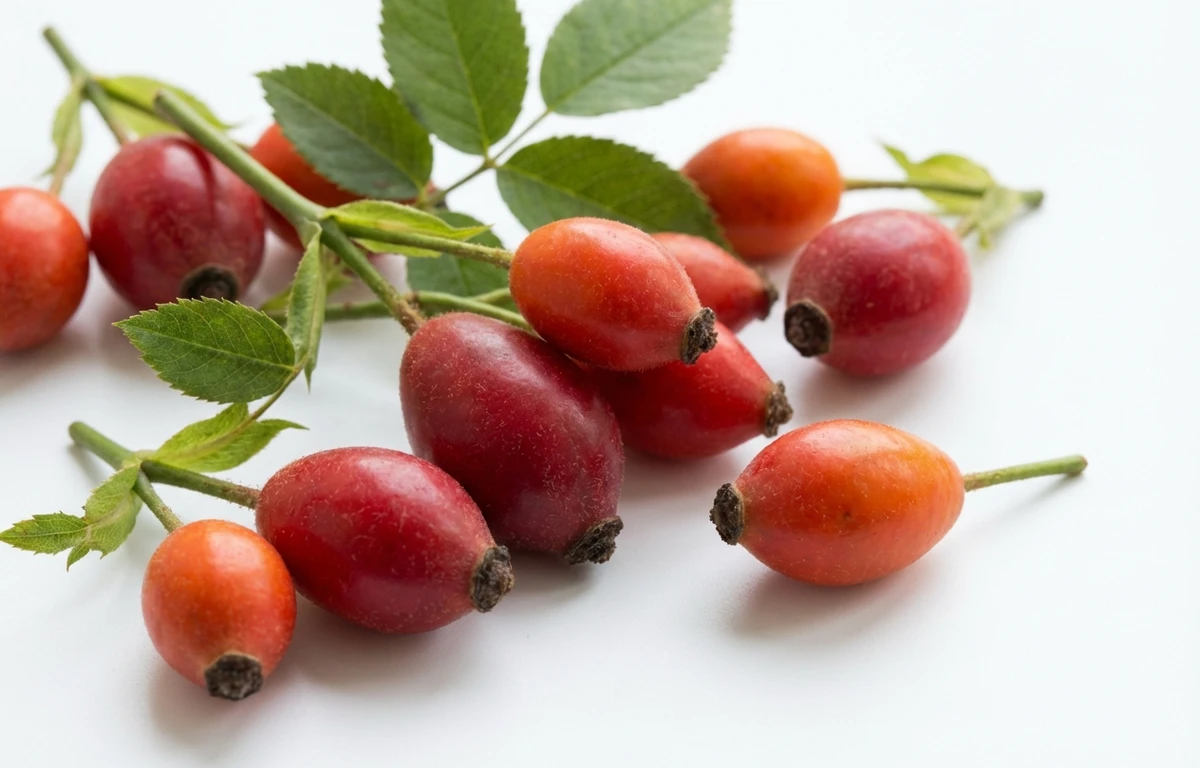
raw wild rose hips.
VegetarianVeganGluten-freeDairy-freeNut-freePeanut-freeSoy-freeEgg-freeShellfish-freeHoney-freeAlcohol-freeHalalKosher
SERVING
CALORIES
162
PROTEIN
1.6g
CARBS
38.2g
FAT
0.34g
FIBER
24.1g
NUTRITION PROFILE · per 100 g
Everything in this ingredient.
MACRONUTRIENTS
Calories162kcal—
Protein1.6g3%
Carbohydrates38.2g14%
Fiber24.1g86%
Sugar2.6g5%
Total fat0.34g0%
Saturated fat0.07g0%
Water58.7g—
MINERALS
Sodium4.0mg0%
Potassium429mg9%
Calcium169mg13%
Iron1.1mg6%
Magnesium69mg16%
Phosphorus61mg5%
Zinc0.25mg2%
Copper0.11mg12%
Manganese1.0mg44%
VITAMINS
Vitamin A217µg24%
Vitamin C426mg473%
Vitamin E5.8mg39%
Vitamin K25.9µg22%
Thiamin (B1)0.02mg2%
Riboflavin (B2)0.17mg13%
Niacin (B3)1.3mg8%
Pantothenic acid (B5)0.80mg16%
Vitamin B60.08mg5%
Folate (B9)3.0µg1%
%DV based on a 2,000 cal diet. Source: USDA FoodData Central. A dash in the %DV column means there’s no established Daily Value for that nutrient.
MEASUREMENT CONVERSIONS
How much is what.
1 cup127g
1 tablespoon7.9g
1 teaspoon2.6g
1 ml0.5g
1 liter529.2g
HEALTH BENEFITS
Why eat it.
- ✓Exceptionally high in Vitamin C, which boosts the immune system and supports collagen production for skin health.
- ✓Rich in antioxidants like polyphenols and carotenoids, which help protect cells from damage caused by free radicals.
- ✓Contains compounds with anti-inflammatory properties, which may help reduce symptoms of arthritis and joint pain.
- ✓Good source of dietary fiber, aiding in digestion and promoting gut health.
COOKING TIPS
In the kitchen.
- 1Before use, trim the ends and slice the hips in half to scoop out the seeds and irritating fine hairs inside.
- 2Simmer whole or chopped rose hips in water to make teas, syrups, or jellies. Always strain the liquid through a fine-mesh sieve or cheesecloth to remove any remaining hairs.
- 3The pulp can be cooked and pureed to create jams, sauces, or traditional Scandinavian soups like 'Nyponsoppa'.
- 4To preserve the high Vitamin C content, use gentle cooking methods and avoid prolonged exposure to high heat.
STORAGE
Keep it fresh.
- Store fresh, raw rose hips in a breathable bag in the refrigerator's crisper drawer for up to one week.
- For long-term storage, dry them in a dehydrator or low-temperature oven until hard, then store in an airtight container in a cool, dark place for up to a year.
- Rose hips can also be frozen whole. Spread them on a baking sheet to freeze individually, then transfer to a freezer-safe bag for storage up to 6-8 months.
FAQ
Frequently asked questions.
Are wild rose hips healthy?
Yes, wild rose hips are incredibly nutrient-dense. They are one of the richest natural sources of Vitamin C, which supports immune function and skin health, and they contain powerful antioxidants like polyphenols that protect cells from oxidative stress.
How much Vitamin C is in rose hips?
Rose hips are exceptionally high in Vitamin C, often containing significantly more per gram than citrus fruits like oranges. This high concentration makes them excellent for boosting collagen production and enhancing the body's natural defenses.
Can you eat rose hips raw?
While the outer flesh is edible raw, you must remove the internal seeds and the fine, irritating hairs inside. These hairs can cause digestive discomfort or 'itching' sensations, so most people prefer to process them into teas, jams, or syrups where the hairs can be strained out.
Are rose hips keto-friendly?
With approximately 38.22g of carbohydrates per 100g, rose hips are relatively high in carbs for a strict ketogenic diet. However, because they are typically consumed in small quantities as a tea or supplement, they can often be fit into a low-carb lifestyle.
What do wild rose hips taste like?
Raw rose hips have a tart, tangy flavor similar to cranberries or crabapples, with a subtle floral undertone. They tend to become slightly sweeter and softer after the first frost of the season.
How do you prepare raw rose hips for cooking?
To prepare them, trim the stem and blossom ends, slice them in half, and scoop out the seeds and hairs. If you are making jelly or tea, you can simmer them whole and then strain the liquid through a very fine mesh or muslin cloth to remove any irritating particles.
Can rose hips help with joint pain?
Yes, rose hips contain anti-inflammatory compounds that may help reduce symptoms of arthritis and joint pain. Studies suggest that the specific fatty acids and antioxidants in the fruit can help lower inflammation and improve joint mobility.
How should I store fresh wild rose hips?
Fresh rose hips should be kept in a breathable bag in the refrigerator for up to one week. For long-term storage, they can be dried in a dehydrator or frozen, though it is best to remove the seeds before freezing if you plan to use the pulp later.
Are rose hips vegan and gluten-free?
Yes, raw wild rose hips are a natural fruit and are both vegan and gluten-free. They are a safe, plant-based addition to most diets, provided they are not processed with other additives containing gluten.
When is the best time to harvest wild rose hips?
The best time to harvest is in late autumn after the first frost. The cold temperature helps to soften the fruit and increases the sugar content, making them more palatable and easier to process for culinary use.



















