
Vegetable
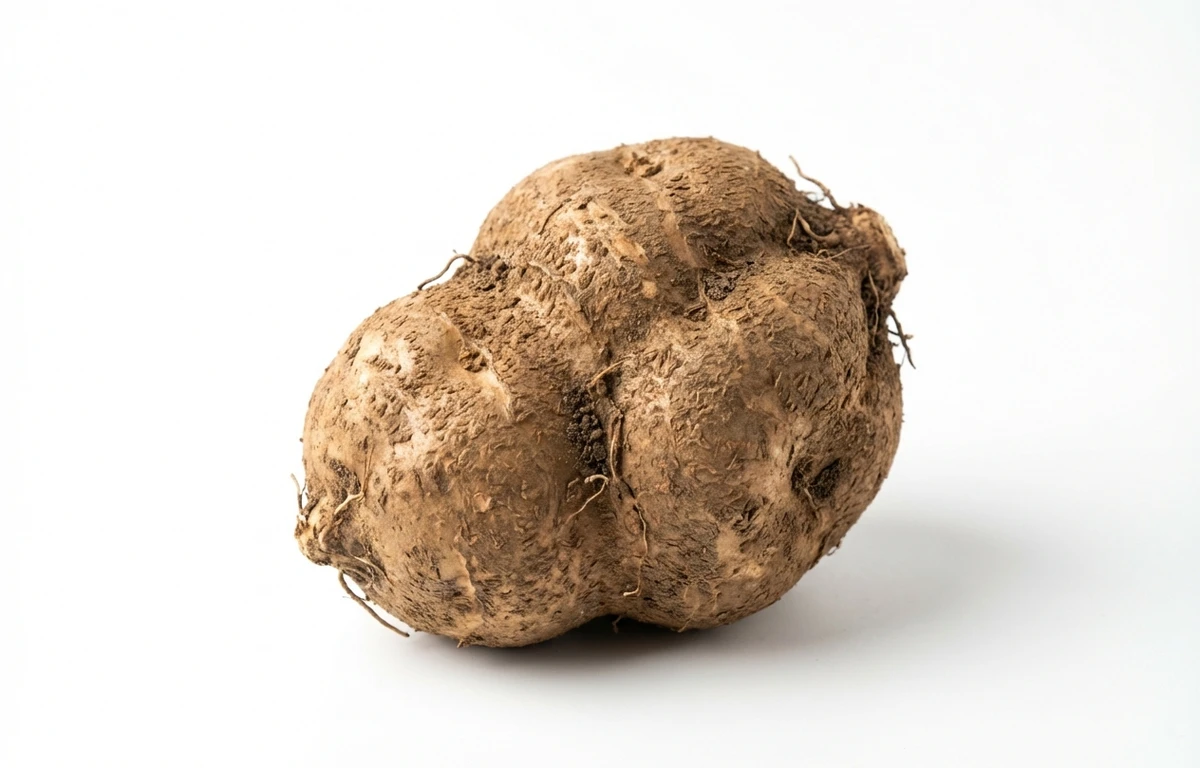
raw winged bean tuber.
VegetarianVeganGluten-freeDairy-freeNut-freePeanut-freeSoy-freeEgg-freeShellfish-freeHoney-freeAlcohol-freeHalalKosher
ALSO KNOWN AS
winged bean tuber
SERVING
CALORIES
155
PROTEIN
11.6g
CARBS
28.2g
FAT
0.90g
FIBER
4.5g
This ingredient is flagged as naturally gluten-free. Per 100 g, it provides 0 µg of vitamin K.
NUTRITION PROFILE · per 100 g
Everything in this ingredient.
MACRONUTRIENTS
Calories155kcal—
Protein11.6g23%
Carbohydrates28.2g10%
Fiber4.5g16%
Sugar2.1g4%
Total fat0.90g1%
Saturated fat0.20g1%
Trans fat0g—
Cholesterol0mg0%
Water57.4g—
MINERALS
Sodium12mg1%
Potassium450mg10%
Calcium40mg3%
Iron1.5mg8%
Magnesium45mg11%
Phosphorus120mg10%
Zinc0.80mg7%
Copper0.20mg22%
Manganese0.30mg13%
Selenium0.80µg1%
VITAMINS
Vitamin A0µg0%
Vitamin C15mg17%
Vitamin D0µg0%
Vitamin E0.50mg3%
Vitamin K0µg0%
Thiamin (B1)0.20mg17%
Riboflavin (B2)0.10mg8%
Niacin (B3)1.2mg8%
Pantothenic acid (B5)0.40mg8%
Vitamin B60.20mg12%
Folate (B9)45µg11%
Vitamin B120µg0%
%DV based on a 2,000 cal diet. Source: USDA FoodData Central. A dash in the %DV column means there’s no established Daily Value for that nutrient.
MEASUREMENT CONVERSIONS
How much is what.
1 cup177.4g
1 tablespoon11.1g
1 teaspoon3.7g
1 oz28.4g
1 lb453.6g
1 ml0.8g
1 liter750g
1 piece100g
HEALTH BENEFITS
Why eat it.
- ✓Exceptionally high in protein for a root vegetable, supporting muscle maintenance and growth.
- ✓Provides a rich source of complex carbohydrates for sustained energy release.
COOKING TIPS
In the kitchen.
- 1Crucially, always cook winged bean tubers before eating. They contain anti-nutritional factors (like trypsin inhibitors) that are neutralized by heat.
- 2Peel the tubers before cooking as the skin can be tough and fibrous.
- 3Prepare them similarly to potatoes or yams; they can be boiled, steamed, roasted, or fried. They have a pleasant, nutty flavor.
- 4Incorporate them into stews, curries, or stir-fries, where they absorb flavors well and add a starchy, nutritious component.
STORAGE
Keep it fresh.
- Store unwashed tubers in a cool, dark, and well-ventilated place, like a pantry or root cellar, for several weeks.
- Avoid refrigeration for long-term storage as the cold, moist environment can cause them to spoil or sprout prematurely.
- For extended preservation, peel, blanch for 2-3 minutes, and then freeze the tubers in an airtight container for up to 6 months.
FAQ
Frequently asked questions.
How much protein is in winged bean tuber?
Winged bean tubers contain approximately 11.6g of protein per 100g. This is significantly higher than common root vegetables like potatoes or cassava, making it an excellent plant-based protein source for muscle maintenance.
Is winged bean tuber keto-friendly?
No, winged bean tuber is not keto-friendly. It contains about 28.2g of carbohydrates per 100g, which is too high for a strict low-carb or ketogenic diet.
Can I eat winged bean tuber raw?
While it can be eaten raw if peeled and cleaned, it is most commonly consumed cooked. Cooking the tuber improves its texture and makes the complex carbohydrates easier to digest.
What does winged bean tuber taste like?
It has a pleasant, nutty flavor that is often compared to a potato but with a more distinct earthy note. When cooked, the texture is firm yet creamy.
How do you cook winged bean tuber?
You can prepare it much like a potato or yam. It is delicious when boiled, steamed, roasted, or sliced and fried. It is also frequently added to stews and curries to absorb the surrounding flavors.
How do you store winged bean tubers?
Store unwashed tubers in a cool, dark, and dry place with good ventilation, similar to potatoes. They generally stay fresh for one to two weeks; avoid storing them in plastic bags which can trap moisture and cause rot.
How does the protein in winged bean tuber compare to other roots?
It is a standout among root vegetables, containing nearly 10 times the protein of a typical potato. This makes it a vital staple in regions where plant-based protein is the primary source of nutrition.



















