
Vegetable
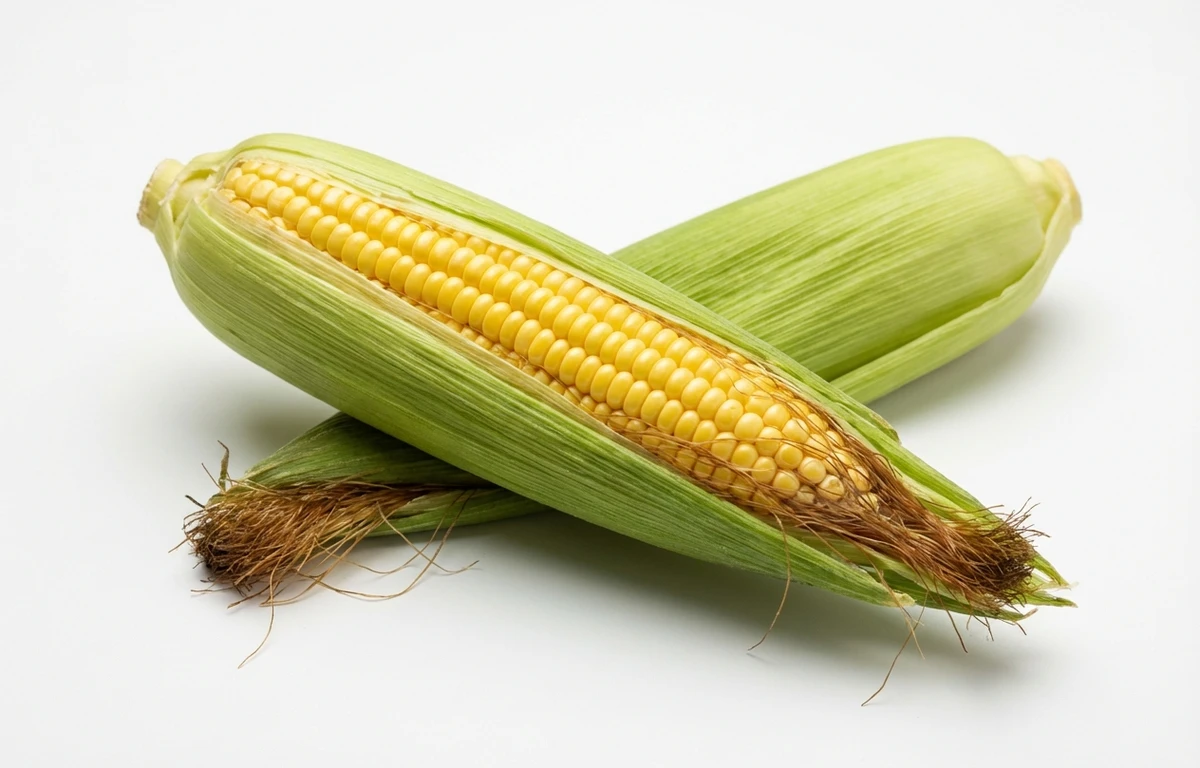
raw yellow corn.
VegetarianVeganGluten-freeDairy-freeNut-freePeanut-freeSoy-freeEgg-freeShellfish-freeHoney-freeAlcohol-freeWhole grain
SERVING
CALORIES
86
PROTEIN
3.3g
CARBS
18.7g
FAT
1.4g
FIBER
2.0g
This ingredient is flagged as naturally gluten-free. Per 100 g, it provides 0.30 µg of vitamin K.
NUTRITION PROFILE · per 100 g
Everything in this ingredient.
MACRONUTRIENTS
Calories86kcal—
Protein3.3g7%
Carbohydrates18.7g7%
Fiber2.0g7%
Sugar6.3g13%
Total fat1.4g2%
Saturated fat0.33g2%
Trans fat0g—
Cholesterol0mg0%
Water76g—
MINERALS
Sodium15mg1%
Potassium270mg6%
Calcium2.0mg0%
Iron0.52mg3%
Magnesium37mg9%
Phosphorus89mg7%
Zinc0.46mg4%
Copper0.05mg6%
Manganese0.16mg7%
Selenium0.60µg1%
VITAMINS
Vitamin A9.0µg1%
Vitamin C6.8mg8%
Vitamin D0µg0%
Vitamin E0.07mg0%
Vitamin K0.30µg0%
Thiamin (B1)0.16mg13%
Riboflavin (B2)0.06mg5%
Niacin (B3)1.8mg11%
Pantothenic acid (B5)0.72mg14%
Vitamin B60.09mg5%
Folate (B9)42µg11%
Vitamin B120µg0%
%DV based on a 2,000 cal diet. Source: USDA FoodData Central. A dash in the %DV column means there’s no established Daily Value for that nutrient.
MEASUREMENT CONVERSIONS
How much is what.
1 cup145g
1 tablespoon9.1g
1 teaspoon3g
1 ml0.6g
1 liter604.2g
HEALTH BENEFITS
Why eat it.
- ✓Rich in dietary fiber, which aids digestion and promotes a healthy gut microbiome.
- ✓Contains complex carbohydrates that provide a steady release of energy.
COOKING TIPS
In the kitchen.
- 1When boiling corn on the cob, add it to already boiling water and cook for 3-5 minutes. Avoid adding salt to the water as it can toughen the kernels.
- 2For grilling, soak the corn in its husk in water for at least 15 minutes to prevent burning, then grill over medium heat for 15-20 minutes, turning occasionally.
- 3To easily remove kernels, stand the cob on its end inside a large bowl and slice downwards with a sharp knife; the bowl will catch the kernels.
- 4Raw yellow corn kernels can be added directly to salads and salsas for a sweet, crisp, and juicy texture.
STORAGE
Keep it fresh.
- Store fresh, unhusked corn in the refrigerator immediately after purchase and consume within 1-3 days for maximum sweetness, as sugars convert to starch over time.
- For long-term storage, blanch kernels for 2-3 minutes, cool in an ice bath, drain well, and freeze in airtight bags or containers for up to 12 months.
FAQ
Frequently asked questions.
Is yellow corn high in carbohydrates?
Yellow corn contains about 18.7g of carbohydrates per 100g, primarily in the form of complex carbohydrates. These provide a steady release of energy, making it a better choice than simple sugars, though portion control is important for those monitoring carb intake.
Is yellow corn keto-friendly?
Generally, no. With 18.7g of carbs per 100g, corn is relatively high in starch compared to leafy greens. Most people on a strict ketogenic diet avoid corn to stay within their daily net carb limits.
Can you eat yellow corn raw?
Yes, you can eat raw yellow corn, especially when it is very fresh and 'milky.' It has a crisp texture and sweet flavor, making it a great addition to salads and salsas without any cooking required.
What is the best way to cook raw yellow corn?
Common methods include boiling for 3-5 minutes, grilling for a smoky flavor, or steaming to preserve nutrients. You can also roast it in the oven or microwave it in the husk for a quick side dish.
How do you store fresh corn to keep it sweet?
Store fresh corn in its husk in the refrigerator to slow down the conversion of sugar to starch. It is best consumed within 1-2 days of purchase, as the sweetness fades quickly once harvested.
How can you tell if raw corn is fresh?
Look for bright green, tight husks and slightly damp, golden silks. When you peel back the husk, the kernels should be plump, tightly packed, and release a milky liquid when punctured.



















