
Loading...
Per 100g
Nutrition data source: USDA FoodData Central
Common measurement equivalents in grams
Yes, raw zucchini is highly nutritious and low in calories. It is rich in antioxidants like lutein and zeaxanthin for eye health, and provides essential vitamins like Vitamin C and minerals like potassium and manganese.
Raw zucchini is very low in calories, containing only about 17 calories per 100g. It is also low in carbohydrates, with approximately 3.11g of carbs and 1g of fiber per serving, making it ideal for calorie-conscious diets.
Absolutely. Its high water and fiber content help promote satiety, making you feel full longer while consuming very few calories. It is a popular 'volume-eating' food for those looking to reduce their caloric intake.
Yes, zucchini is a staple in ketogenic and low-carb diets. With only about 2.1g of net carbs per 100g, it is frequently used as a healthy, low-glycemic substitute for high-carb foods like pasta or potatoes.
Yes, zucchini is safe and delicious to eat raw. Eating it raw preserves heat-sensitive nutrients like Vitamin C and provides a crisp texture that works well in salads, carpaccio, or as vegetable noodles.
Raw zucchini has a very mild, slightly sweet, and earthy flavor with a firm, crunchy texture. Because its flavor is neutral, it easily absorbs the taste of dressings, lemon juice, or dips.
No, you do not need to peel it, and it is actually healthier to keep the skin on. The skin contains the highest concentration of fiber and antioxidants, though you should wash it thoroughly to remove any dirt or wax.
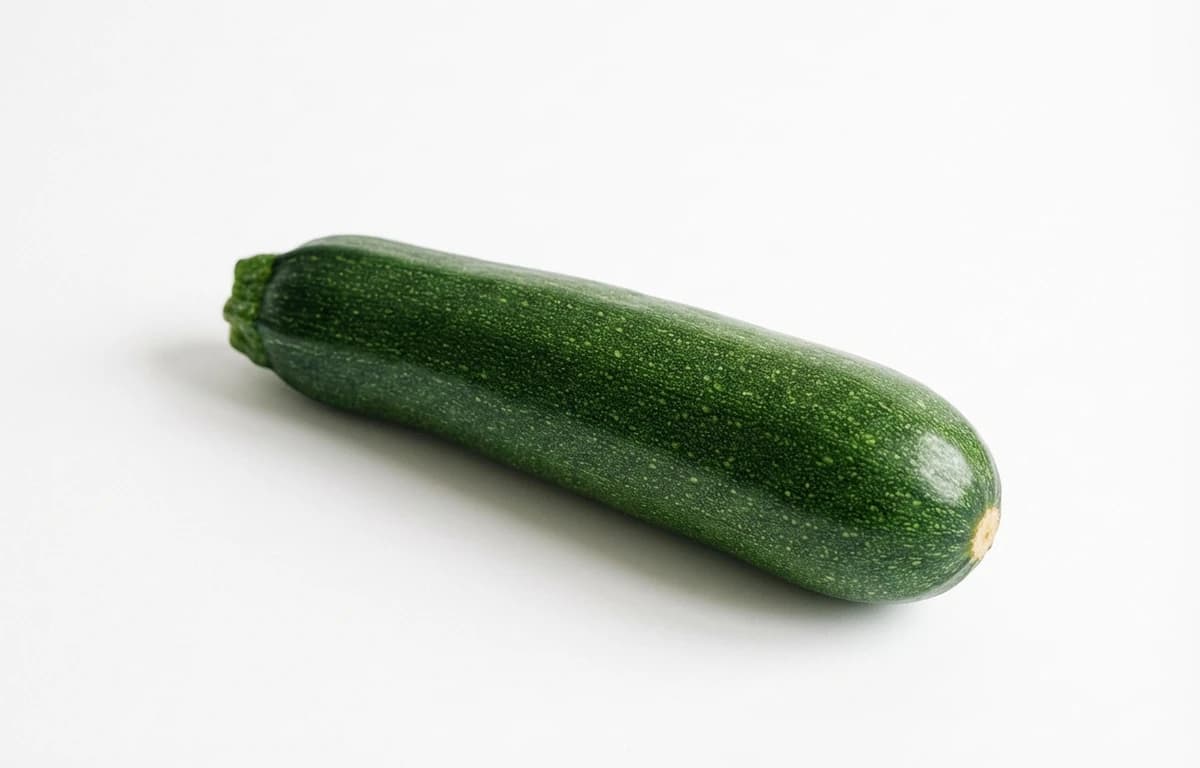
raw zucchini is a versatile ingredient found in cuisines around the world. With 17 calories per 100g and 1.21 grams of protein, it's a nutritious addition to many dishes.
Explore more ingredients in the vegetable category with complete nutrition information.
View all vegetable →Discover 10 recipes featuring raw zucchini with step-by-step instructions.
Browse recipes →Store whole, unwashed zucchini in a perforated plastic bag in the refrigerator's crisper drawer. It typically stays fresh for 1 to 2 weeks; avoid washing it until right before use to prevent moisture-induced rot.
A spoiled zucchini will feel soft, limp, or slimy to the touch. Look for shriveled skin, fuzzy mold, or dark soft spots, and discard it if it has a bitter smell or an unusually mushy interior.
You can use a spiralizer or a vegetable peeler to create thin strands known as 'zoodles.' These can be tossed raw with pesto, vinaigrette, or warm sauces for a refreshing, gluten-free alternative to traditional grain pasta.