
Vegetable
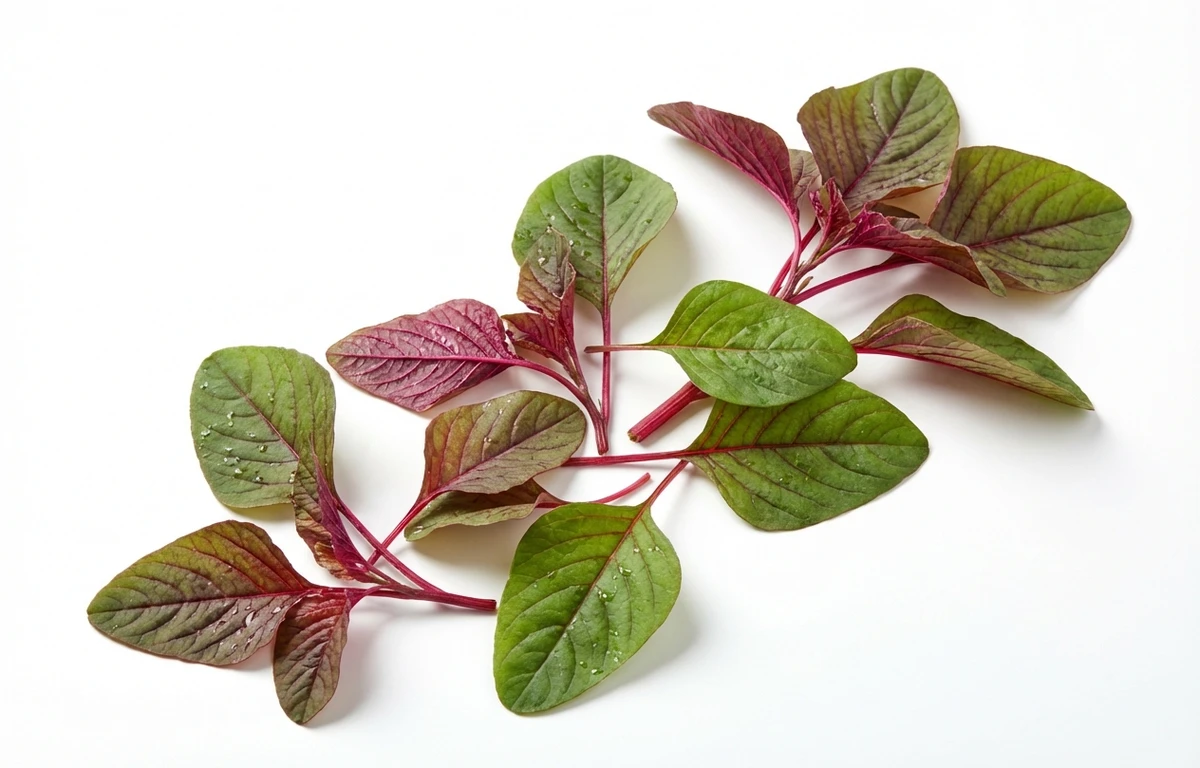
red and green mix amaranth leaves.
VegetarianVeganGluten-freeDairy-freeNut-freePeanut-freeSoy-freeEgg-freeShellfish-freeHoney-freeAlcohol-freeHalalKosher
SERVING
CALORIES
32
PROTEIN
3.1g
CARBS
2.9g
FAT
0.53g
FIBER
4.6g
This ingredient is flagged as naturally gluten-free. Per 100 g, it provides 284 µg of vitamin K.
NUTRITION PROFILE · per 100 g
Everything in this ingredient.
MACRONUTRIENTS
Calories31.6kcal—
Protein3.1g6%
Carbohydrates2.9g1%
Fiber4.6g16%
Sugar0.15g0%
Total fat0.53g1%
Saturated fat0.20g1%
Trans fat0g—
Cholesterol0mg0%
Water86.4g—
MINERALS
Sodium17.6mg1%
Potassium597mg13%
Calcium269mg21%
Iron5.3mg29%
Magnesium146mg35%
Phosphorus68.2mg5%
Zinc1.0mg9%
Copper0.17mg19%
Manganese1.4mg62%
Selenium21.6µg39%
VITAMINS
Vitamin A8464µg940%
Vitamin C77.2mg86%
Vitamin D15.3µg76%
Vitamin E0.45mg3%
Vitamin K284µg237%
Thiamin (B1)0.01mg1%
Riboflavin (B2)0.22mg17%
Niacin (B3)0.69mg4%
Pantothenic acid (B5)0.37mg7%
Vitamin B60.19mg11%
Biotin (B7)2.4µg8%
Folate (B9)69.1µg17%
%DV based on a 2,000 cal diet. Source: USDA FoodData Central. A dash in the %DV column means there’s no established Daily Value for that nutrient.
MEASUREMENT CONVERSIONS
How much is what.
1 cup28g
1 tablespoon1.8g
1 teaspoon0.6g
1 oz28.4g
1 lb453.6g
1 ml0.1g
1 liter118.3g
HEALTH BENEFITS
Why eat it.
- ✓High in essential minerals such as iron, calcium, magnesium, and potassium.
- ✓Contains dietary fiber, which aids in digestion and promotes gut health.
COOKING TIPS
In the kitchen.
- 1Sauté with garlic, ginger, and a touch of chili for a quick and flavorful side dish, similar to how you would cook spinach or kale.
- 2Incorporate into soups, stews, and lentil curries (dal) during the last 5-10 minutes of cooking to allow them to wilt.
- 3Young, tender amaranth leaves can be used raw in salads, adding a slightly earthy and peppery flavor.
- 4Steam the leaves for 3-5 minutes until tender, then season with lemon juice, salt, and a drizzle of olive oil for a simple preparation.
STORAGE
Keep it fresh.
- Wrap unwashed leaves loosely in a damp paper towel and store in a plastic bag in the refrigerator's crisper drawer for up to 5 days.
- For longer storage, blanch the leaves for 2 minutes, shock them in ice water, drain thoroughly, and freeze in an airtight container for several months.
FAQ
Frequently asked questions.
How many calories and how much protein are in amaranth leaves?
A 100g serving of amaranth leaves contains approximately 31.55 calories and 3.09g of protein. This makes them a nutrient-dense vegetable that provides a decent amount of plant-based protein for a leafy green.
How do you cook red and green amaranth leaves?
Amaranth leaves can be sautéed with garlic and onions, added to stir-fries, or simmered in soups and dals. They cook very quickly, similar to spinach; note that the red leaves will release a vibrant pigment that may color the rest of your dish.
What do amaranth leaves taste like?
They have a mild, earthy flavor very similar to spinach, but with a slightly sweeter and nuttier profile. The red varieties often have a deeper, more robust taste compared to the purely green leaves.
Can you eat amaranth leaves raw?
Yes, young and tender amaranth leaves can be eaten raw in salads. However, as the leaves mature, they can become slightly tough and fibrous, so older leaves are better enjoyed steamed, boiled, or sautéed.
How do you store fresh amaranth leaves?
Store unwashed amaranth leaves in a plastic bag or wrapped in a damp paper towel in the refrigerator's crisper drawer. They are quite delicate and should be consumed within 2 to 3 days for optimal freshness.
How do you know if amaranth leaves have gone bad?
Fresh amaranth should have vibrant colors and firm, crisp stems. If the leaves appear slimy, have turned yellow or brown, or emit a sour or fermented odor, they have spoiled and should be discarded.



















