
Vegetable
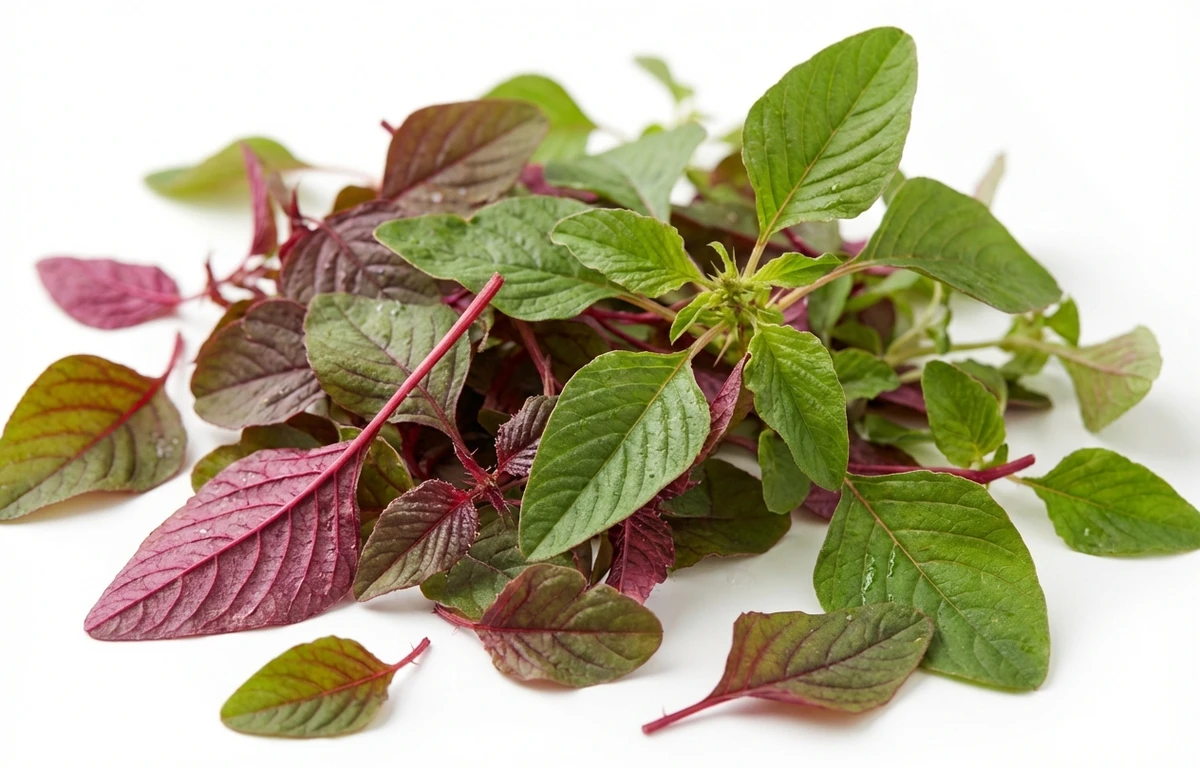
red and green mix amaranth spinosus leaves.
VegetarianVeganGluten-freeDairy-freeNut-freePeanut-freeSoy-freeEgg-freeShellfish-freeHoney-freeAlcohol-freeHalalKosher
SERVING
CALORIES
24
PROTEIN
2.8g
CARBS
1.4g
FAT
0.34g
FIBER
5.6g
This ingredient is flagged as naturally gluten-free. Per 100 g, it provides 448 µg of vitamin K.
NUTRITION PROFILE · per 100 g
Everything in this ingredient.
MACRONUTRIENTS
Calories23.7kcal—
Protein2.8g6%
Carbohydrates1.4g1%
Fiber5.6g20%
Sugar0.13g0%
Total fat0.34g0%
Saturated fat0.09g0%
Trans fat0g—
Cholesterol0mg0%
Water86.6g—
MINERALS
Sodium16.3mg1%
Potassium588mg13%
Calcium372mg29%
Iron4.6mg25%
Magnesium187mg45%
Phosphorus85mg7%
Zinc1.1mg10%
Copper0.33mg37%
Manganese1.8mg80%
Selenium19.4µg35%
VITAMINS
Vitamin A1487µg165%
Vitamin C77.3mg86%
Vitamin D15µg75%
Vitamin E0.28mg2%
Vitamin K448µg373%
Thiamin (B1)0.01mg1%
Riboflavin (B2)0.15mg12%
Niacin (B3)0.72mg5%
Pantothenic acid (B5)0.31mg6%
Vitamin B60.20mg12%
Biotin (B7)2.9µg10%
Folate (B9)44.2µg11%
%DV based on a 2,000 cal diet. Source: USDA FoodData Central. A dash in the %DV column means there’s no established Daily Value for that nutrient.
MEASUREMENT CONVERSIONS
How much is what.
1 cup22g
1 tablespoon1.4g
1 teaspoon0.5g
1 oz28.4g
1 lb453.6g
1 ml0.1g
1 liter93g
HEALTH BENEFITS
Why eat it.
- ✓Good source of dietary fiber, promoting digestive health, aiding in regular bowel movements, and contributing to a feeling of fullness.
- ✓Provides a notable amount of plant-based protein and essential amino acids like lysine, which is often limited in other grains and vegetables.
COOKING TIPS
In the kitchen.
- 1The 'spinosus' variety has small thorns along the stem; carefully remove these before washing and cooking the leaves.
- 2Sauté with garlic, ginger, and a touch of chili for a simple, flavorful side dish. The leaves cook down quickly, similar to spinach.
- 3Incorporate into soups, stews, and lentil dishes (dal) in the last 5-10 minutes of cooking to add nutrients and a mild, earthy flavor.
- 4Steam or boil briefly until tender, then drain well and season with lemon juice, salt, and a drizzle of olive oil.
STORAGE
Keep it fresh.
- Refrigerate unwashed leaves in a perforated plastic bag in the crisper drawer and use within 3-5 days for optimal freshness.
- For longer-term storage, blanch the leaves for 2 minutes, shock them in an ice bath, drain thoroughly, and freeze in an airtight container for up to 8 months.
FAQ
Frequently asked questions.
How many calories and how much protein are in these amaranth leaves?
A 100g serving is very low in calories, providing only about 23.66 kcal. Despite the low calorie count, it offers 2.8g of protein, including the essential amino acid lysine, which is rare in many other leafy greens.
How do you prepare and cook red and green amaranth leaves?
They are typically prepared like spinach: washed thoroughly, chopped, and then sautéed with garlic, onions, or spices. They can also be added to soups, stews, or traditional dals to enhance nutritional value.
What do red and green amaranth leaves taste like?
They have a mild, earthy, and slightly nutty flavor, similar to spinach but often described as more robust. The red variety may have a slightly sweeter undertone and will often release a vibrant red pigment when cooked.
How should I store fresh amaranth leaves?
Store unwashed leaves in a breathable bag or wrapped in a damp paper towel inside the refrigerator's crisper drawer. They are delicate and best consumed within 2 to 3 days for maximum freshness.
Can I eat amaranth spinosus leaves raw?
While young, tender leaves can be eaten raw in salads, it is generally recommended to cook them. Light cooking helps reduce oxalate levels and increases the bioavailability of minerals like calcium and iron.
Do I need to remove the stems or spines from amaranth spinosus?
Amaranth spinosus is known as 'spiny amaranth,' so you should check for small sharp spines at the leaf bases. While young stems are tender and edible, any hard spines or woody stems should be trimmed away before cooking.



















