
Other1 recipes
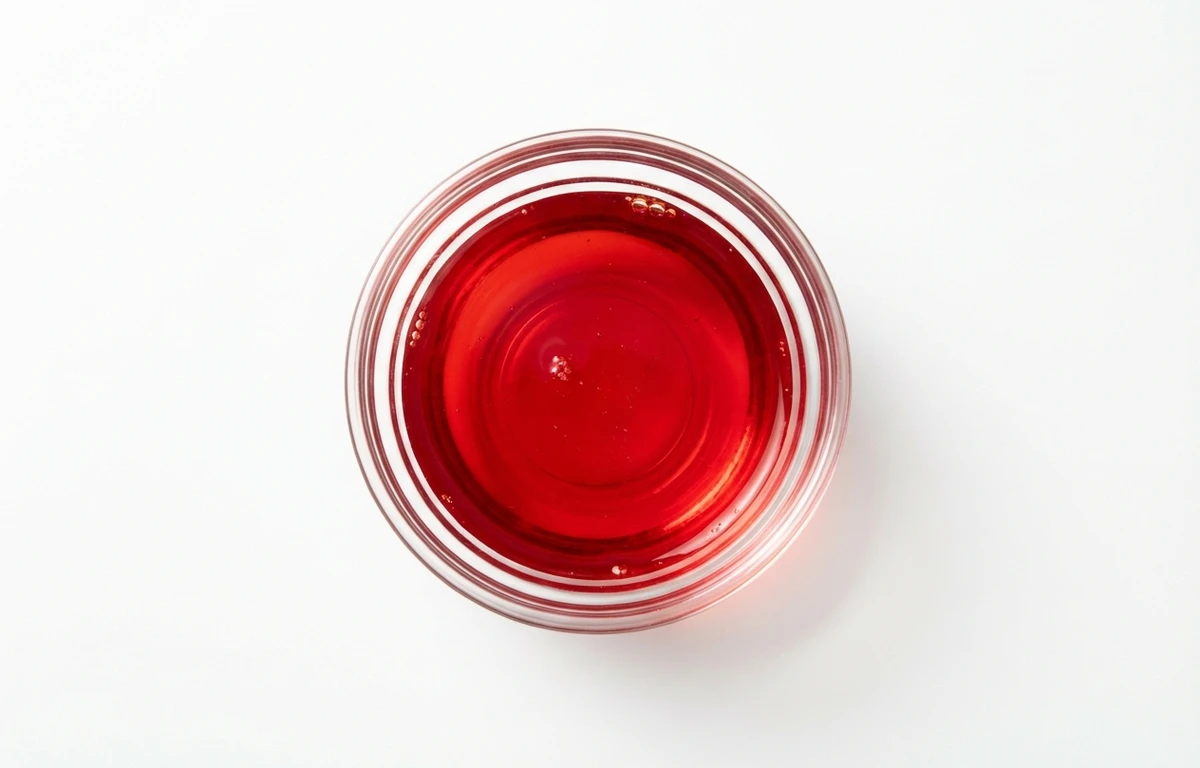
red food coloring.
VegetarianVeganGluten-freeDairy-freeNut-freePeanut-freeSoy-freeEgg-freeShellfish-freeHoney-freeAlcohol-free
ALSO KNOWN AS
red food colorred dyecarminecochineal extract
SERVING
CALORIES
0
PROTEIN
0g
CARBS
0g
FAT
0g
FIBER
0g
This ingredient is flagged as naturally gluten-free. Per 100 g, it provides 1.0 µg of vitamin K.
NUTRITION PROFILE · per 100 g
Everything in this ingredient.
MACRONUTRIENTS
Calories0kcal—
Protein0g0%
Carbohydrates0g0%
Fiber0g0%
Sugar0g0%
Total fat0g0%
Saturated fat0g0%
Cholesterol0mg0%
Water90g—
MINERALS
Sodium0mg0%
Potassium0mg0%
Calcium0mg0%
Iron0mg0%
VITAMINS
Vitamin A0µg0%
Vitamin C0mg0%
Vitamin D0µg0%
Vitamin K1.0µg1%
Thiamin (B1)2.0mg167%
%DV based on a 2,000 cal diet. Source: USDA FoodData Central. A dash in the %DV column means there’s no established Daily Value for that nutrient.
MEASUREMENT CONVERSIONS
How much is what.
1 cup240g
1 tablespoon15g
1 teaspoon5g
1 ml1g
1 liter1000g
1 piece0.1g
HEALTH BENEFITS
Why eat it.
- ✓Primarily used for aesthetic purposes to enhance the visual appeal of food, which can influence appetite and perception of flavor.
- ✓Provides no direct nutritional or health benefits; it is a non-nutritive additive.
- ✓Some synthetic red dyes (e.g., Red 40) are controversial and have been linked in some studies to hyperactivity in sensitive children.
COOKING TIPS
In the kitchen.
- 1Add coloring gradually, one drop at a time, as the color is often highly concentrated. It is easier to add more than to correct an overly intense color.
- 2For even color distribution in batters and doughs, mix the food coloring with the wet ingredients before combining with the dry ingredients.
- 3Gel-based colorings are more concentrated than liquid ones and are ideal for coloring royal icing, fondant, and buttercream without thinning the consistency.
- 4Be aware that the color may intensify or change slightly upon cooking, heating, or drying. Aim for a shade slightly lighter than your desired final result.
STORAGE
Keep it fresh.
- Store in a cool, dark, and dry place such as a pantry, away from direct sunlight and heat, which can cause the color to fade.
- Ensure the container is tightly sealed to prevent liquid or gel colorings from drying out and powdered colorings from clumping.
- Most food colorings have a long shelf life, but check the expiration date for best quality and potency.
FAQ
Frequently asked questions.
Is red food coloring healthy?
Red food coloring provides no nutritional value and is used strictly for aesthetic purposes. While synthetic dyes like Red 40 are FDA-approved, some studies suggest they may be linked to hyperactivity in sensitive children. Natural versions derived from plants are generally considered a healthier alternative.
Does red food coloring have any calories or nutrients?
No, standard red food coloring contains 0 calories, 0g of protein, 0g of carbohydrates, and 0g of fat. It is a non-nutritive additive, meaning it does not contribute to your daily intake of macronutrients or vitamins.
Is red food coloring vegan?
Most synthetic red dyes, such as Red 40, are vegan as they are synthetically produced. However, some natural red dyes like 'Carmine' or 'Cochineal' are derived from insects and are not vegan. Always check the ingredient label to confirm the source of the pigment.
What is the difference between liquid and gel red food coloring?
Liquid coloring is water-based and best for achieving pastel shades, though it can thin out delicate batters. Gel coloring is highly concentrated and provides a vibrant, deep red without adding significant moisture, making it the preferred choice for Red Velvet cakes and frostings.
Does red food coloring affect the taste of baked goods?
In small amounts, red food coloring is tasteless. However, using large quantities of liquid dye to achieve a deep red can sometimes result in a slightly bitter or metallic aftertaste. Using a high-quality gel or 'no-taste' red coloring can help avoid this issue.
Does red food coloring expire?
While food coloring typically doesn't spoil in a way that causes illness, it can lose its potency over time. Liquid dyes generally remain effective for 2 to 4 years, while gels can last even longer; if the texture becomes chunky or the color fades significantly, it should be replaced.
How do I remove red food coloring stains from my skin or counters?
To remove stains from skin, wash with soap and water or rub with a paste of baking soda and water. For countertops, a mixture of white vinegar and baking soda is usually effective at lifting the pigment without damaging the surface.
RECIPES
Cook with red food coloring.
1 recipes · sorted by what’s quick



















