
additive
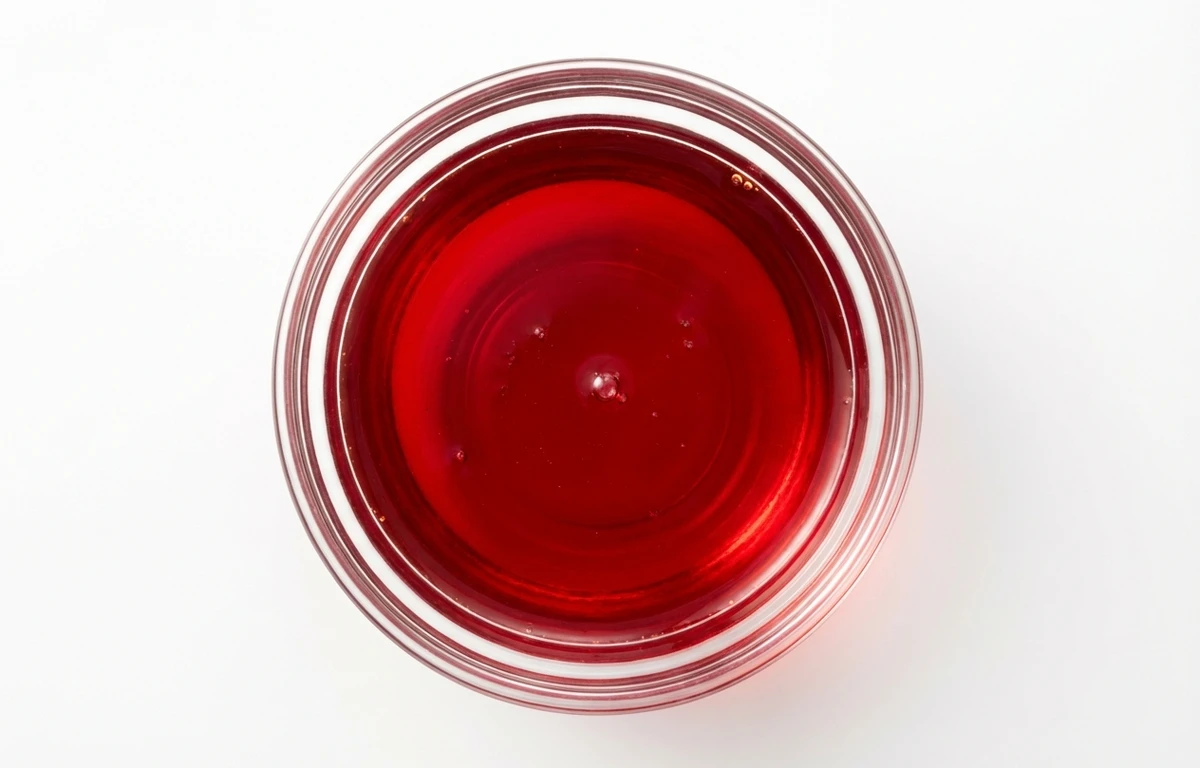
red food colour.
VegetarianVeganGluten-freeDairy-freeNut-freePeanut-freeSoy-freeEgg-freeShellfish-freeHoney-freeAlcohol-free
SERVING
CALORIES
0
PROTEIN
0g
CARBS
0g
FAT
0g
FIBER
0g
NUTRITION PROFILE · per 100 g
Everything in this ingredient.
MACRONUTRIENTS
Calories0kcal—
Protein0g0%
Carbohydrates0g0%
Fiber0g0%
Sugar0g0%
Total fat0g0%
Saturated fat0g0%
Trans fat0g—
Cholesterol0mg0%
Water0g—
MINERALS
Sodium0mg0%
%DV based on a 2,000 cal diet. Source: USDA FoodData Central. A dash in the %DV column means there’s no established Daily Value for that nutrient.
MEASUREMENT CONVERSIONS
How much is what.
1 cup150g
1 tablespoon6.7g
1 teaspoon4g
1 oz3.5g
1 lb0.2g
1 liter0.1g
HEALTH BENEFITS
Why eat it.
- ✓Enhances the visual appeal of food and beverages.
COOKING TIPS
In the kitchen.
- 1Use sparingly, as a small amount can produce vibrant color.
- 2Add gradually, drop by drop, until the desired shade is achieved.
- 3Mix thoroughly into the food or liquid to ensure even distribution.
STORAGE
Keep it fresh.
- Store in a cool, dry place away from direct sunlight.
- Keep the container tightly sealed to prevent drying out or contamination.
- Avoid extreme temperatures.
FAQ
Frequently asked questions.
Is red food colour healthy?
Red food colour provides no nutritional value and is used purely for aesthetic purposes. While regulatory bodies like the FDA consider approved versions safe for consumption, some studies suggest a link between certain synthetic dyes and hyperactivity in sensitive children, leading some to prefer natural alternatives.
Does red food colour contain calories or sugar?
No, red food colour typically contains zero calories, protein, carbohydrates, or fats. Because it is a highly concentrated additive used in very small quantities, it does not significantly impact the nutritional profile of the food or beverage it is added to.
Is red food colour vegan?
It depends on the source. Synthetic dyes like Red 40 (Allura Red) are vegan, but 'Carmine' or 'Cochineal' is derived from crushed insects and is not vegan. Always check the ingredient label to determine if the pigment is plant-based, synthetic, or animal-derived.
Is red food colour gluten-free?
Most liquid and gel red food colours are gluten-free as they are primarily composed of water, glycerin, and synthetic pigments. However, some powdered versions may use wheat-based starch as a carrier, so it is important to check the packaging for gluten-free certification.
Does red food colour change the taste of food?
In standard amounts, red food colour is tasteless and should not affect the flavor of your dish. However, using an excessive amount of liquid dye to achieve a deep red hue can sometimes impart a slightly bitter or metallic aftertaste, particularly in frostings.
How do I use red food colour in baking?
Add the colour gradually, one drop at a time, mixing thoroughly until the desired shade is reached. Gel or paste colours are often preferred for baking because they are more concentrated and won't thin out batters or icings as much as liquid dyes.
What are natural substitutes for red food colour?
You can use beet juice, pomegranate juice, or hibiscus powder as natural alternatives to synthetic red dye. Note that these natural options may add a subtle flavor to your recipe and the color may fade or change slightly when exposed to high heat during baking.
How should I store red food colour?
Store red food colour in a cool, dry, and dark place like a kitchen pantry. Ensure the lid is tightly sealed to prevent evaporation or clumping, and keep it away from direct sunlight, which can cause the pigment to degrade and fade over time.
Does red food colour expire?
Most food colours have a shelf life of 2 to 4 years. While they rarely 'spoil' in a way that makes them dangerous, they can lose their potency, change consistency, or develop mold if the container is contaminated by food particles.
How do I remove red food colour stains from skin or surfaces?
Red dye is highly pigmented and stains quickly. For skin, use rubbing alcohol or a paste of baking soda and water; for non-porous countertops, a bleach-based cleaner or a baking soda scrub is usually effective at lifting the pigment.



















