
Vegetable
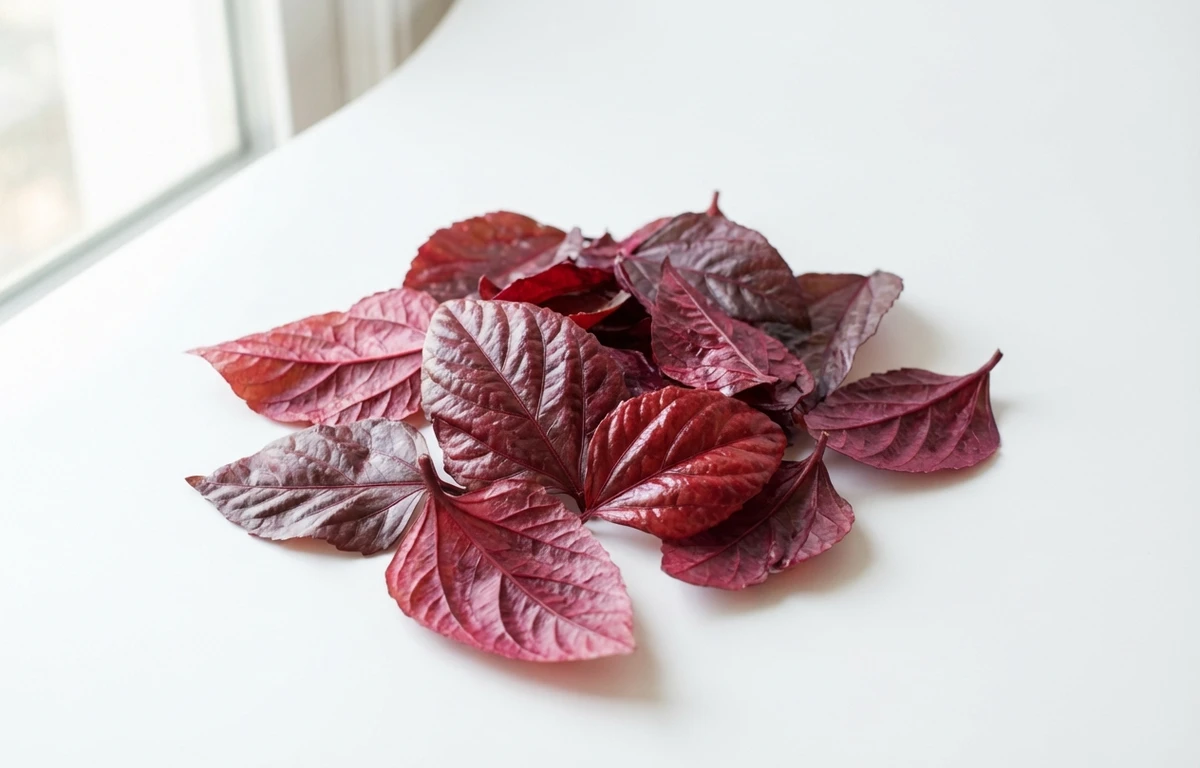
red gogu leaves.
VegetarianVeganGluten-freeDairy-freeNut-freePeanut-freeSoy-freeEgg-freeShellfish-freeHoney-freeAlcohol-free
SERVING
CALORIES
37
PROTEIN
1.9g
CARBS
4.2g
FAT
1.1g
FIBER
3.9g
NUTRITION PROFILE · per 100 g
Everything in this ingredient.
MACRONUTRIENTS
Calories36.6kcal—
Protein1.9g4%
Carbohydrates4.2g2%
Fiber3.9g14%
Sugar0.01g0%
Total fat1.1g1%
Saturated fat0.24g1%
Trans fat0g—
Cholesterol0mg0%
Water88g—
MINERALS
Sodium14.1mg1%
Potassium161mg3%
Calcium129mg10%
Iron9.6mg53%
Magnesium75.8mg18%
Phosphorus36.4mg3%
Zinc0.63mg6%
Copper0.16mg18%
Manganese1.8mg76%
Selenium3.3µg6%
VITAMINS
Vitamin A5143µg571%
Vitamin C35.4mg39%
Vitamin D4.3µg21%
Vitamin E0.50mg3%
Vitamin K438µg365%
Thiamin (B1)0.12mg10%
Riboflavin (B2)0.05mg4%
Niacin (B3)0.56mg4%
Pantothenic acid (B5)0.71mg14%
Vitamin B60.31mg18%
Biotin (B7)3.4µg11%
Folate (B9)88.6µg22%
%DV based on a 2,000 cal diet. Source: USDA FoodData Central. A dash in the %DV column means there’s no established Daily Value for that nutrient.
MEASUREMENT CONVERSIONS
How much is what.
1 cup25g
1 tablespoon1.6g
1 teaspoon0.5g
1 oz28.4g
1 lb453.6g
1 ml0.1g
1 liter106g
HEALTH BENEFITS
Why eat it.
- ✓Rich in antioxidants, particularly anthocyanins, which help combat oxidative stress.
- ✓Good source of vitamins C and A, supporting immune function and vision.
- ✓Contains a significant amount of iron, which is crucial for preventing anemia.
- ✓Aids digestion due to its dietary fiber content and natural sourness.
COOKING TIPS
In the kitchen.
- 1The leaves have a distinct sour taste, making them a great natural souring agent in curries, dals, and meat dishes.
- 2Cook the leaves until they wilt completely and form a pulpy consistency to release their full flavor, which is ideal for making chutneys (pachadi) and pickles.
- 3Avoid cooking in iron or aluminum pots as the high acidity can react with the metal, altering the taste and color of the dish.
- 4Balance the sourness by pairing with ingredients like lentils, coconut, jaggery, or spicy chilies.
STORAGE
Keep it fresh.
- Refrigerate unwashed leaves in a perforated plastic bag in the crisper drawer for up to 5-7 days.
- For long-term storage, blanch the leaves, grind them into a paste, and freeze in an airtight container for several months.
FAQ
Frequently asked questions.
Are red gogu leaves healthy?
Yes, red gogu leaves are very healthy as they are low in calories and rich in essential nutrients. They provide a significant amount of antioxidants, particularly anthocyanins, which help protect the body from oxidative stress and inflammation.
Are red gogu leaves good for anemia?
Yes, these leaves are an excellent dietary addition for those with anemia because they contain a significant amount of iron. Iron is crucial for the production of hemoglobin, which helps transport oxygen throughout the blood.
What do red gogu leaves taste like?
Red gogu leaves, also known as Gongura, have a distinctively tart, sour, and tangy flavor profile. This natural acidity makes them a popular base for spicy pickles, chutneys, and traditional dals.
Are red gogu leaves keto-friendly?
Yes, red gogu leaves are very keto-friendly. With only 4.24g of carbohydrates and 36.57 calories per 100g, they can be easily incorporated into a low-carb or ketogenic diet without spiking blood sugar levels.
How do you prepare red gogu leaves for cooking?
To prepare them, pluck the leaves from the woody stems and wash them thoroughly in cold water to remove any grit. They are typically sautéed in a little oil until they wilt and turn into a soft paste, which can then be added to various dishes.
Can you eat red gogu leaves raw?
While red gogu leaves can be eaten raw in small quantities in salads for a sour kick, they are most commonly consumed cooked. Cooking softens their fibrous texture and helps mellow the intense acidity.
How should I store red gogu leaves?
Store unwashed leaves in a paper towel-lined container or a perforated plastic bag in the refrigerator's crisper drawer. They generally stay fresh for 3 to 5 days; avoid washing them until you are ready to cook to prevent premature spoilage.
Are red gogu leaves vegan and gluten-free?
Yes, red gogu leaves are a natural plant-based vegetable and are both vegan and gluten-free. They are a safe and nutritious ingredient for individuals with celiac disease or those following a vegan lifestyle.
What vitamins are found in red gogu leaves?
Red gogu leaves are a good source of Vitamin C and Vitamin A. Vitamin C helps boost the immune system and skin health, while Vitamin A is essential for maintaining healthy vision and organ function.
Do red gogu leaves help with digestion?
Yes, the dietary fiber content in red gogu leaves aids in regular bowel movements and prevents constipation. Additionally, their natural sourness is traditionally believed to stimulate digestive enzymes.



















