
Vegetable
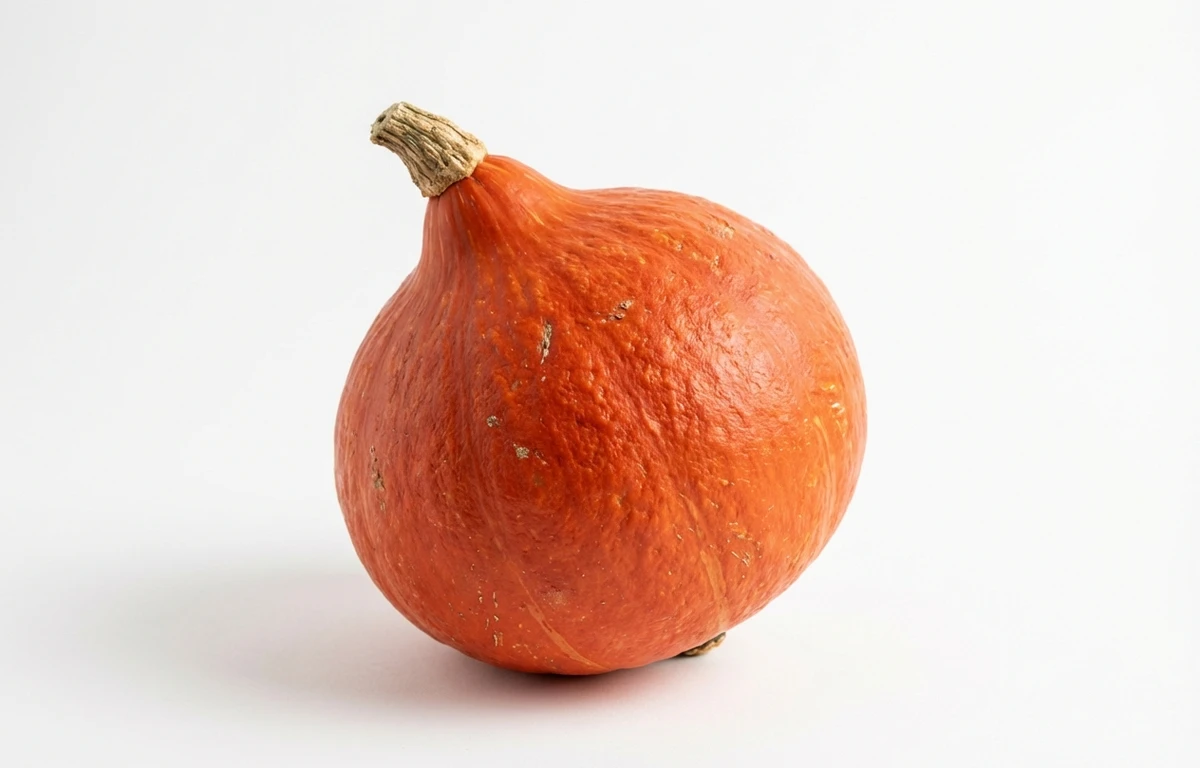
red kuri squash.
VegetarianVeganGluten-freeDairy-freeNut-freePeanut-freeSoy-freeEgg-freeShellfish-freeHoney-freeAlcohol-freeHalalKosher
ALSO KNOWN AS
hokkaido squashpotimarrononion squashbaby red hubbardjapanese squash
SERVING
CALORIES
37
PROTEIN
1.2g
CARBS
8.8g
FAT
0.10g
FIBER
1.5g
NUTRITION PROFILE · per 100 g
Everything in this ingredient.
MACRONUTRIENTS
Calories37kcal—
Protein1.2g2%
Carbohydrates8.8g3%
Fiber1.5g5%
Sugar3.2g6%
Total fat0.10g0%
Saturated fat0.02g0%
Trans fat0g—
Cholesterol0mg0%
Water88.5g—
MINERALS
Sodium1.0mg0%
Potassium350mg7%
Calcium25mg2%
Iron0.60mg3%
Magnesium15mg4%
Phosphorus30mg2%
Zinc0.20mg2%
Copper0.08mg9%
Manganese0.15mg7%
Selenium0.50µg1%
VITAMINS
Vitamin A420µg47%
Vitamin C12mg13%
Vitamin D0µg0%
Vitamin E1.1mg7%
Vitamin K1.1µg1%
Thiamin (B1)0.05mg4%
Riboflavin (B2)0.06mg5%
Niacin (B3)0.60mg4%
Pantothenic acid (B5)0.30mg6%
Vitamin B60.15mg9%
Folate (B9)16µg4%
Vitamin B120µg0%
%DV based on a 2,000 cal diet. Source: USDA FoodData Central. A dash in the %DV column means there’s no established Daily Value for that nutrient.
MEASUREMENT CONVERSIONS
How much is what.
1 cup240g
1 tablespoon15g
1 teaspoon5g
1 oz28.4g
1 lb453.6g
1 ml1g
1 liter1000g
1 piece1500g
HEALTH BENEFITS
Why eat it.
- ✓Excellent source of Vitamin A for eye health
- ✓Rich in potassium which helps regulate blood pressure
- ✓Contains dietary fiber to support digestive health
- ✓High in antioxidants like beta-carotene
- ✓Low calorie density suitable for weight management
COOKING TIPS
In the kitchen.
- 1The skin is thin and edible; no peeling is required before roasting
- 2Roast with olive oil and salt to bring out its natural chestnut-like flavor
- 3Ideal for creamy soups as the flesh becomes very smooth when blended
STORAGE
Keep it fresh.
- Store whole squash in a cool, dry, and dark place for up to 3 months
- Once cut, wrap tightly in plastic and refrigerate for up to 5 days
- Can be frozen by peeling, cubing, and blanching before storage
FAQ
Frequently asked questions.
Do I need to peel red kuri squash?
No, the skin of the red kuri squash is thin and becomes tender when cooked, making it completely edible.
What does red kuri squash taste like?
It has a sweet, nutty flavor that is often compared to chestnuts or a mix of pumpkin and sweet potato.
How long does a whole red kuri squash last?
If kept in a cool, dry place with good ventilation, it can last between 2 to 4 months.
What is the best substitute for red kuri squash?
Butternut squash, Hubbard squash, or Kabocha squash are the best alternatives due to similar texture and sweetness.
How do I pick a good red kuri squash?
Look for one that feels heavy for its size, has a deep orange color, and a firm, matte skin without soft spots.
Can you eat the seeds of red kuri squash?
Yes, the seeds can be cleaned, seasoned, and roasted just like pumpkin seeds for a healthy snack.
Is red kuri squash good for weight loss?
Yes, it is low in calories and high in fiber, which helps you feel full longer while providing essential nutrients.
Can red kuri squash be eaten raw?
While technically edible raw if grated finely, it is much more palatable and easier to digest when roasted, steamed, or boiled.
Is it the same as Kabocha squash?
They are closely related, but red kuri has a distinct teardrop shape and orange skin, whereas Kabocha is usually round and green.
How do I prepare it for roasting?
Wash the exterior, cut it in half, scoop out the seeds, and then slice it into wedges or cubes.



















