
Other
red miso paste.
VegetarianVeganGluten-freeDairy-freeNut-freePeanut-freeSoy-freeEgg-freeShellfish-freeHoney-freeAlcohol-freeFermented
ALSO KNOWN AS
aka misodark miso pastemiso paste
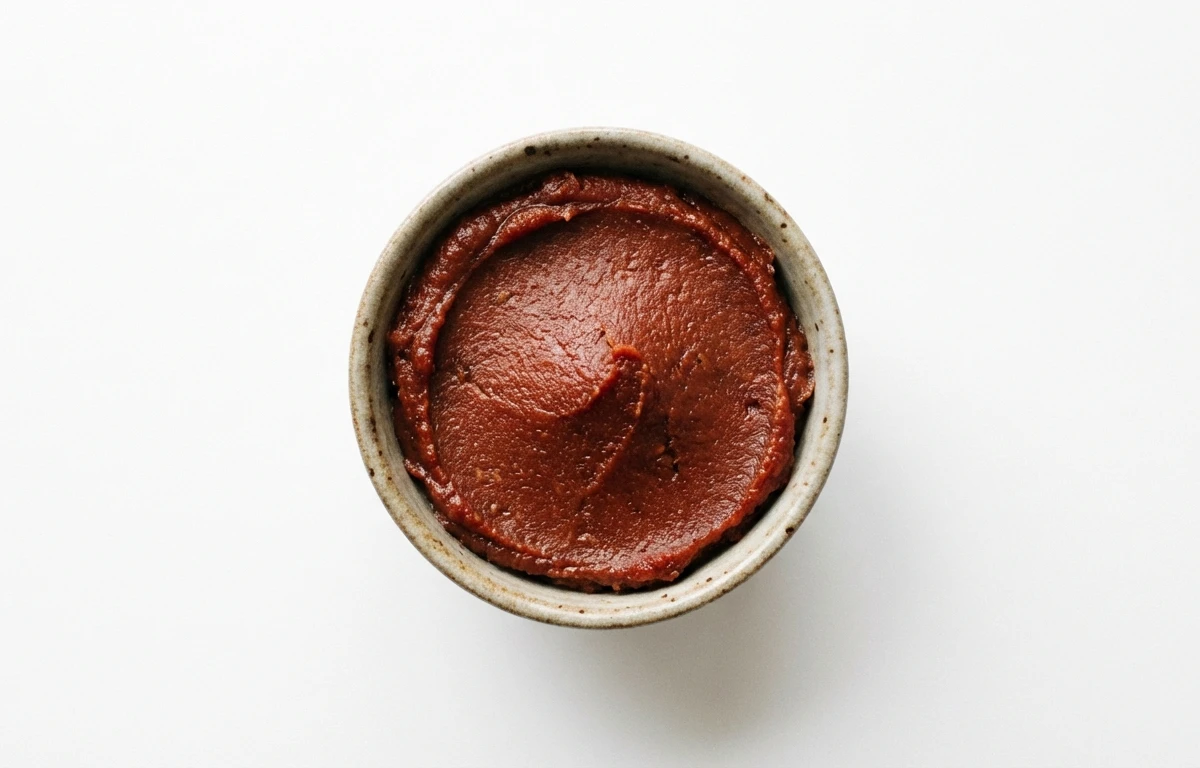
SERVING
CALORIES
198
PROTEIN
12.8g
CARBS
25.4g
FAT
6.0g
FIBER
5.4g
This ingredient is flagged as naturally gluten-free. Per 100 g, it provides 29.3 µg of vitamin K.
NUTRITION PROFILE · per 100 g
Everything in this ingredient.
MACRONUTRIENTS
Calories198kcal—
Protein12.8g26%
Carbohydrates25.4g9%
Fiber5.4g19%
Sugar6.2g12%
Total fat6.0g8%
Saturated fat1.0g5%
Trans fat0g—
Cholesterol0mg0%
Water43g—
MINERALS
Sodium3728mg162%
Potassium210mg4%
Calcium57mg4%
Iron2.5mg14%
Magnesium48mg11%
Phosphorus159mg13%
Zinc2.6mg23%
Copper0.42mg47%
Manganese0.86mg37%
Selenium7.0µg13%
VITAMINS
Vitamin A4.0µg0%
Vitamin C0mg0%
Vitamin D0µg0%
Vitamin E0.01mg0%
Vitamin K29.3µg24%
Thiamin (B1)0.10mg8%
Riboflavin (B2)0.23mg18%
Niacin (B3)0.91mg6%
Pantothenic acid (B5)0.34mg7%
Vitamin B60.20mg12%
Folate (B9)19µg5%
Vitamin B120.08µg3%
%DV based on a 2,000 cal diet. Source: USDA FoodData Central. A dash in the %DV column means there’s no established Daily Value for that nutrient.
MEASUREMENT CONVERSIONS
How much is what.
1 cup275g
1 tablespoon17g
1 teaspoon5.7g
1 ml1.1g
1 liter1133.3g
1 piece50g
HEALTH BENEFITS
Why eat it.
- ✓Rich in probiotics from fermentation, which support gut health and digestion.
- ✓A good source of essential minerals, including manganese, copper, and zinc.
- ✓Provides all essential amino acids, making it a source of complete protein.
COOKING TIPS
In the kitchen.
- 1Red miso has a deep, robust, and salty umami flavor, making it ideal for hearty soups, stews, marinades, and glazes.
- 2To preserve its beneficial probiotics, add miso to dishes at the very end of cooking over low heat. Avoid boiling.
- 3For smooth incorporation, dissolve the paste in a small amount of warm liquid (like broth or water) before adding it to the main dish.
- 4Use it as a powerful flavor base for sauces, dressings, and braises, pairing well with root vegetables, dark meats, and mushrooms.
STORAGE
Keep it fresh.
- After opening, store miso paste in an airtight container in the refrigerator to maintain its quality and prevent it from drying out.
- Due to its high salt content, miso paste is well-preserved and can last for up to a year in the refrigerator.
FAQ
Frequently asked questions.
How much protein is in red miso paste?
Red miso paste contains approximately 12.79g of protein per 100g. Because it is made from fermented soybeans, it provides all essential amino acids, making it a source of complete protein for vegetarians and vegans.
Is red miso paste vegan?
Most red miso paste is vegan as it is primarily made from fermented soybeans, salt, and a grain like rice or barley. However, some brands may add dashi (fish stock) or other animal-derived flavorings, so it is important to check the ingredient label.
Is red miso paste gluten-free?
Not all red miso is gluten-free. While many varieties use rice as the fermentation starter, some use barley (mugi miso) or rye, which contain gluten. Always look for a certified gluten-free label or check if the paste is made strictly with rice or soybeans.
Is red miso paste keto-friendly?
Red miso contains about 25.37g of carbohydrates per 100g. Since a typical serving is only one tablespoon (about 17g), it contributes roughly 4g of carbs, making it acceptable for most keto diets when used sparingly as a seasoning.
What does red miso paste taste like?
Red miso has a deep, salty, and intense umami flavor. Because it is fermented for a longer period than white or yellow miso, it has a much stronger, more pungent profile that can easily dominate a dish if too much is used.
How do you cook with red miso paste?
It is best used in hearty dishes like stews, braises, and rich marinades for meats or root vegetables. To preserve the live probiotics, avoid boiling the paste; instead, whisk it into your liquid at the very end of the cooking process.
How do you store red miso paste and how long does it last?
Red miso should be stored in an airtight container in the refrigerator to maintain its quality. Due to its high salt content and fermentation, it can safely last for 12 months or longer, though its color may darken and flavor may intensify over time.
Can I freeze red miso paste?
Yes, red miso can be frozen to extend its shelf life. Because of the high salt content, it usually does not freeze into a solid block, allowing you to scoop out the desired amount directly from the freezer whenever needed.
What is the difference between red miso and white miso?
Red miso is fermented longer and contains a higher proportion of soybeans to grain, resulting in a darker color and a much saltier, more robust flavor. White miso is fermented for a shorter time, making it sweeter, milder, and better suited for light dressings or desserts.



















