
Vegetable
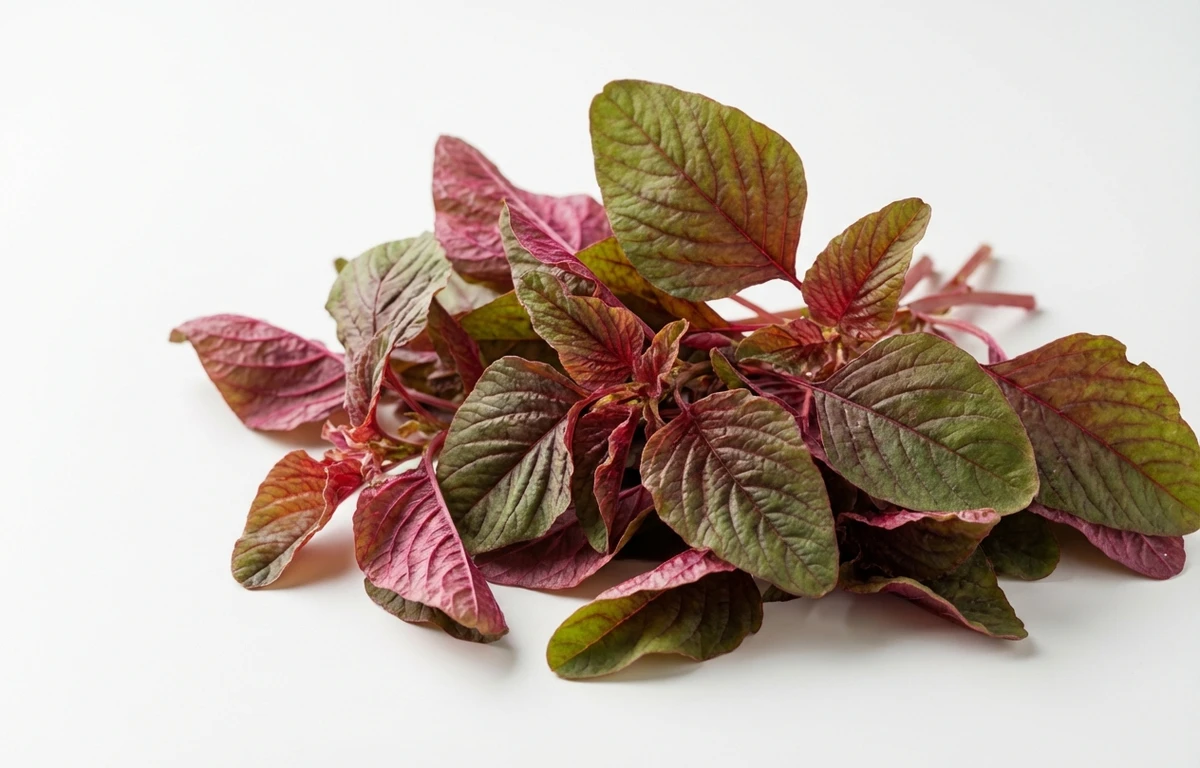
red mix amaranth leaves.
VegetarianVeganGluten-freeDairy-freeNut-freePeanut-freeSoy-freeEgg-freeShellfish-freeHoney-freeAlcohol-free
SERVING
CALORIES
33
PROTEIN
3.9g
CARBS
2.4g
FAT
0.63g
FIBER
4.9g
This ingredient is flagged as naturally gluten-free. Per 100 g, it provides 312 µg of vitamin K.
NUTRITION PROFILE · per 100 g
Everything in this ingredient.
MACRONUTRIENTS
Calories33.5kcal—
Protein3.9g8%
Carbohydrates2.4g1%
Fiber4.9g18%
Sugar0.28g1%
Total fat0.63g1%
Saturated fat0.21g1%
Trans fat0g—
Cholesterol0mg0%
Water85.6g—
MINERALS
Sodium14.6mg1%
Potassium564mg12%
Calcium245mg19%
Iron7.3mg40%
Magnesium177mg42%
Phosphorus76mg6%
Zinc1.4mg12%
Copper0.22mg24%
Manganese2.1mg93%
Selenium22.6µg41%
VITAMINS
Vitamin A8457µg940%
Vitamin C86.2mg96%
Vitamin D15.1µg76%
Vitamin E0.46mg3%
Vitamin K312µg260%
Thiamin (B1)0.01mg1%
Riboflavin (B2)0.27mg21%
Niacin (B3)0.62mg4%
Pantothenic acid (B5)0.37mg7%
Vitamin B60.22mg13%
Biotin (B7)3.0µg10%
Folate (B9)82µg20%
%DV based on a 2,000 cal diet. Source: USDA FoodData Central. A dash in the %DV column means there’s no established Daily Value for that nutrient.
MEASUREMENT CONVERSIONS
How much is what.
1 cup28g
1 tablespoon1.8g
1 teaspoon0.6g
1 oz28.4g
1 lb453.6g
1 ml0.1g
1 liter118g
HEALTH BENEFITS
Why eat it.
- ✓Contains significant amounts of iron and calcium, important for red blood cell production and bone density.
COOKING TIPS
In the kitchen.
- 1Sauté quickly with garlic and a pinch of salt until just wilted, similar to spinach. Overcooking can make them mushy.
- 2Add to soups, stews, and lentil dishes (dal) during the last 5-10 minutes of cooking to retain nutrients and texture.
- 3Young, tender leaves can be used raw in salads for a vibrant color and a mild, earthy flavor.
- 4Steam the leaves for 3-5 minutes and season with lemon juice and olive oil for a simple, nutritious side dish.
STORAGE
Keep it fresh.
- Wrap unwashed leaves loosely in a damp paper towel and store in a plastic bag in the refrigerator's crisper drawer for 2-4 days.
- For longer storage, blanch the leaves for 2 minutes, plunge into ice water, drain well, and freeze in airtight containers for up to 6 months.
FAQ
Frequently asked questions.
How much protein and carbs are in red mix amaranth leaves?
A 100g serving contains approximately 3.93g of protein and 2.37g of carbohydrates. This makes them a high-protein vegetable option that is also very low in net carbs.
Are red mix amaranth leaves keto-friendly?
Yes, they are very keto-friendly. Because they contain only 2.37g of carbohydrates per 100g, they can be consumed in generous portions without significantly impacting daily carb limits.
How do you cook red mix amaranth leaves?
They can be prepared similarly to spinach. You can sauté them with garlic and olive oil, add them to soups and stews, or stir-fry them. Note that the red pigment will often bleed into the other ingredients during cooking.
Can I eat red mix amaranth leaves raw?
Yes, young and tender red amaranth leaves are delicious raw in salads. However, larger or older leaves can be slightly tough and may have a stronger earthy flavor, so they are often preferred cooked.
How should I store red mix amaranth leaves?
Store them unwashed in a perforated plastic bag or wrapped in a damp paper towel in the refrigerator's crisper drawer. They are delicate and should ideally be consumed within 3 to 5 days.
How do I know if red mix amaranth leaves have gone bad?
Fresh leaves should be vibrant and crisp. If the leaves become slimy, develop a foul odor, or turn dark brown or black, they have spoiled and should be discarded.
What do red mix amaranth leaves taste like?
They have a mild, sweet, and slightly earthy flavor, similar to spinach but often described as more delicate. The red portions of the leaves can sometimes have a very faint nutty undertone.



















