
Vegetable
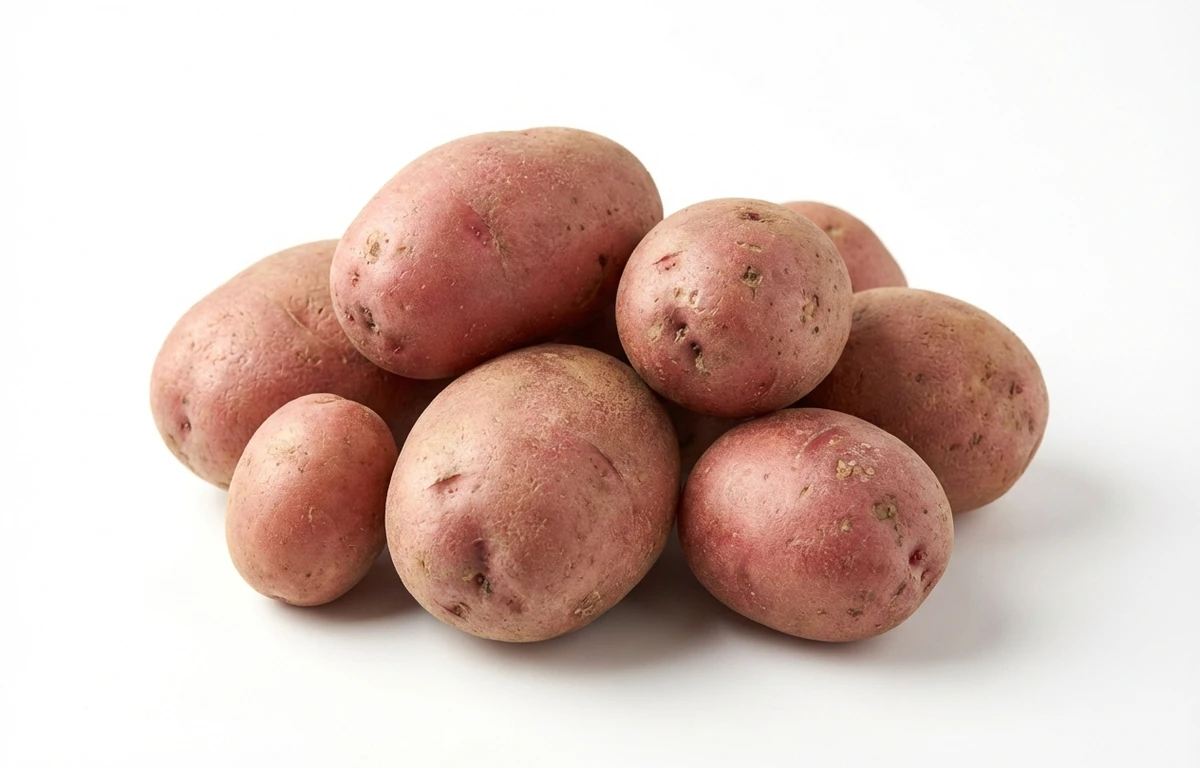
red skin potato.
VegetarianVeganGluten-freeDairy-freeNut-freePeanut-freeSoy-freeEgg-freeShellfish-freeHoney-freeAlcohol-freeHalalKosher
SERVING
CALORIES
73
PROTEIN
1.8g
CARBS
15.4g
FAT
0.22g
FIBER
1.7g
This ingredient is flagged as naturally gluten-free. Per 100 g, it provides 2.3 µg of vitamin K.
NUTRITION PROFILE · per 100 g
Everything in this ingredient.
MACRONUTRIENTS
Calories73.1kcal—
Protein1.8g4%
Carbohydrates15.4g6%
Fiber1.7g6%
Sugar0.38g1%
Total fat0.22g0%
Saturated fat0.04g0%
Trans fat0g—
Cholesterol0mg0%
Water79.7g—
MINERALS
Sodium4.4mg0%
Potassium501mg11%
Calcium8.6mg1%
Iron0.66mg4%
Magnesium25.5mg6%
Phosphorus30.4mg2%
Zinc0.34mg3%
Copper0.15mg17%
Manganese0.14mg6%
Selenium0.32µg1%
VITAMINS
Vitamin A0µg0%
Vitamin C25mg28%
Vitamin D0.20µg1%
Vitamin E0.06mg0%
Vitamin K2.3µg2%
Thiamin (B1)0.06mg5%
Riboflavin (B2)0.01mg1%
Niacin (B3)1.1mg7%
Pantothenic acid (B5)0.39mg8%
Vitamin B60.10mg6%
Biotin (B7)1.7µg6%
Folate (B9)17.8µg4%
%DV based on a 2,000 cal diet. Source: USDA FoodData Central. A dash in the %DV column means there’s no established Daily Value for that nutrient.
MEASUREMENT CONVERSIONS
How much is what.
1 oz28.4g
1 lb453.6g
1 piece120g
HEALTH BENEFITS
Why eat it.
- ✓Rich in potassium, which is essential for regulating blood pressure and fluid balance.
- ✓The skin is an excellent source of dietary fiber, aiding digestion and promoting a feeling of fullness.
- ✓Provides complex carbohydrates, which offer a steady release of energy.
COOKING TIPS
In the kitchen.
- 1Due to their waxy texture and low starch content, red skin potatoes hold their shape well after cooking, making them ideal for potato salads, roasting, and boiling.
- 2For extra crispy roasted potatoes, parboil them for 10 minutes before tossing with oil and seasonings and roasting at a high temperature (400°F / 200°C).
- 3Leave the nutrient-rich skin on during cooking to retain more fiber, vitamins, and minerals.
- 4When boiling for salads, add a splash of vinegar to the water to help the potatoes maintain their firm texture.
STORAGE
Keep it fresh.
- Store in a cool, dark, and well-ventilated place like a pantry or cellar, ideally between 45-50°F (7-10°C).
- Avoid storing in the refrigerator, as cold temperatures can cause the starch to convert to sugar, resulting in a sweet taste and discoloration when cooked.
- Keep them away from onions, as the gases they release can cause potatoes to sprout prematurely.
FAQ
Frequently asked questions.
How many calories and carbs are in red skin potatoes?
A 100g serving of red skin potatoes contains approximately 73.14 calories and 15.43g of carbohydrates. They also provide about 1.83g of protein and a negligible 0.22g of fat.
Are red skin potatoes keto-friendly?
No, red skin potatoes are not considered keto-friendly because they are high in starch. With over 15g of carbohydrates per 100g, they can easily exceed the daily carb limit for a strict ketogenic diet.
What is the best way to cook red skin potatoes?
Because they are 'waxy' and hold their shape well, they are best suited for roasting, boiling, or steaming. They are the preferred choice for potato salads and stews where you want the potato chunks to remain intact.
How should I store red skin potatoes?
Store them in a cool, dark, and dry place with plenty of ventilation, such as a paper bag in a pantry. Do not store them in the refrigerator, as the cold temperature can convert their starches into sugars, changing their flavor and texture.
How can I tell if a red skin potato has gone bad?
Check for soft or mushy spots, a shriveled appearance, or a strong musty smell. If the potato has developed green patches or significant sprouts, it may contain solanine and should be discarded.
What do red skin potatoes taste like compared to Russet potatoes?
Red skin potatoes have a subtly sweet, nutty flavor and a firm, creamy texture. Unlike Russet potatoes, which are starchy and fluffy, red potatoes are waxy and stay moist after cooking.



















