Other
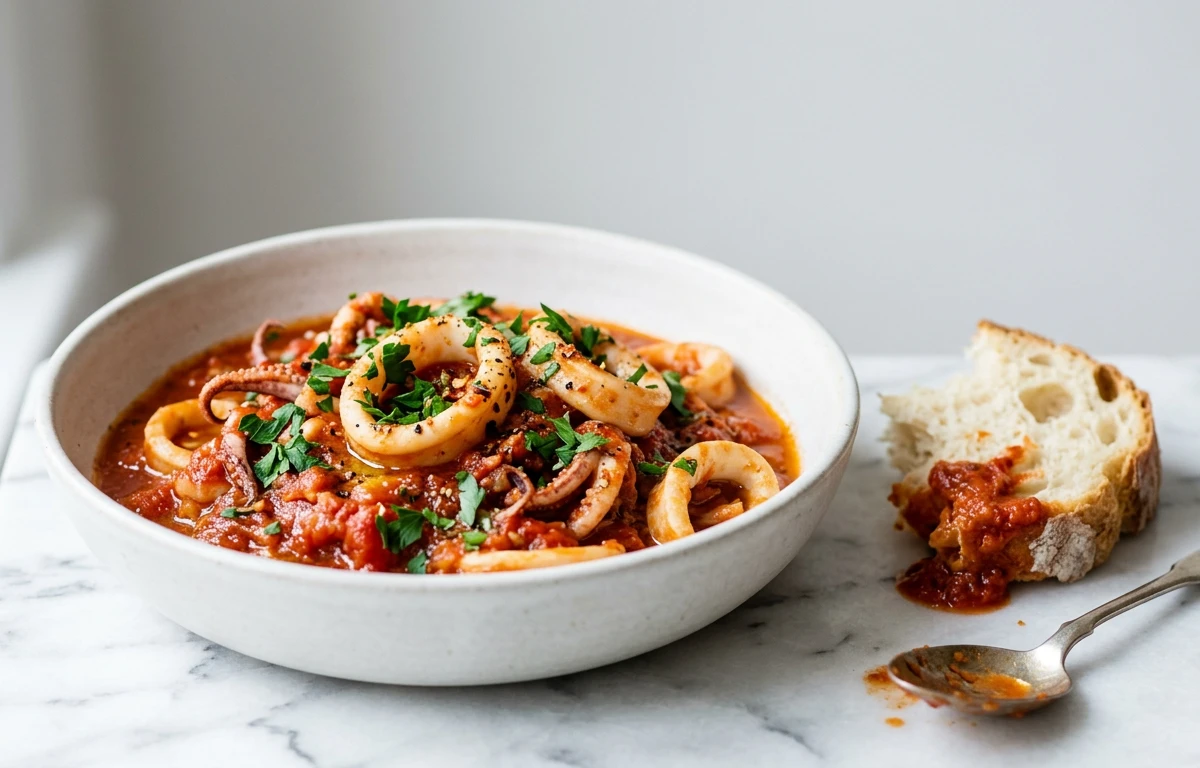
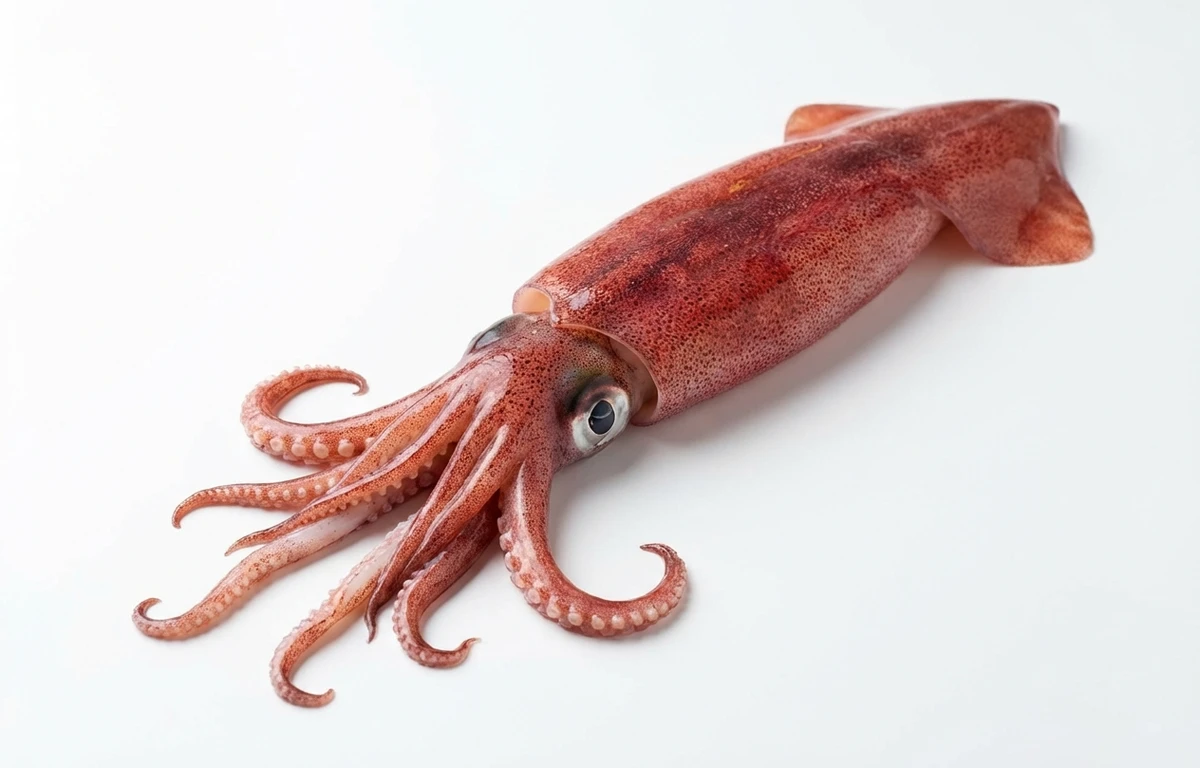
red squid.
VegetarianVeganGluten-freeDairy-freeNut-freePeanut-freeSoy-freeEgg-freeShellfish-freeHoney-freeAlcohol-freeKosher
SERVING
CALORIES
79
PROTEIN
16.3g
CARBS
0g
FAT
1.4g
FIBER
0g
This ingredient is flagged as naturally gluten-free. Per 100 g, it provides 1.1 µg of vitamin K.
NUTRITION PROFILE · per 100 g
Everything in this ingredient.
MACRONUTRIENTS
Calories78.6kcal—
Protein16.3g33%
Carbohydrates0g0%
Fiber0g0%
Sugar0g0%
Total fat1.4g2%
Saturated fat0.45g2%
Trans fat0g—
Cholesterol126mg42%
Water80.8g—
MINERALS
Sodium121mg5%
Potassium134mg3%
Calcium14.2mg1%
Iron0.26mg1%
Magnesium35.7mg9%
Phosphorus167mg13%
Zinc0.95mg9%
Copper0.15mg17%
Manganese0.02mg1%
Selenium47.4µg86%
VITAMINS
Vitamin A4.7µg1%
Vitamin C0mg0%
Vitamin D1.2µg6%
Vitamin E0.47mg3%
Vitamin K1.1µg1%
Thiamin (B1)0.03mg3%
Riboflavin (B2)0.02mg2%
Niacin (B3)0.71mg4%
Pantothenic acid (B5)0.95mg19%
Vitamin B6101mg5941%
Biotin (B7)1300µg4333%
Folate (B9)0µg0%
%DV based on a 2,000 cal diet. Source: USDA FoodData Central. A dash in the %DV column means there’s no established Daily Value for that nutrient.
MEASUREMENT CONVERSIONS
How much is what.
1 oz28.4g
1 lb453.6g
1 piece700g
HEALTH BENEFITS
Why eat it.
- ✓Excellent source of lean protein, essential for muscle growth and repair.
- ✓Provides Omega-3 fatty acids, which support cardiovascular health and brain function.
- ✓Low in saturated fat, making it a heart-healthy alternative to red meats.
COOKING TIPS
In the kitchen.
- 1To avoid a rubbery texture, cook squid either very quickly over high heat (e.g., grilling or stir-frying for 1-3 minutes) or slowly over low heat (e.g., braising in a stew for at least 30-45 minutes).
- 2Score the inside of the squid body in a cross-hatch pattern before cooking. This helps it cook evenly and tenderizes the meat.
- 3Marinating squid in acidic ingredients like lemon juice or dairy like buttermilk for 15-30 minutes can help tenderize it before cooking.
- 4The ink is edible and can be used to color and flavor sauces, pasta, and rice dishes, giving them a rich, briny taste.
STORAGE
Keep it fresh.
- Store fresh red squid in the coldest part of the refrigerator, preferably on a bed of ice in a covered container, and use within 1-2 days.
- For long-term storage, clean and pat dry the squid, then place it in an airtight freezer bag or container. It can be frozen for up to 3 months for optimal quality.
FAQ
Frequently asked questions.
Is red squid healthy?
Yes, red squid is a highly nutritious seafood choice. It is an excellent source of lean protein and essential minerals like copper and selenium, while remaining low in calories and saturated fat, making it heart-healthy.
How much protein is in red squid?
Red squid provides approximately 16.25 grams of protein per 100-gram serving. This high protein content, combined with its low calorie count of about 79 calories, makes it an ideal food for muscle repair and growth.
Is red squid keto-friendly?
Yes, red squid is perfectly keto-friendly as it contains 0 grams of carbohydrates. It is a great source of high-quality protein and Omega-3 fatty acids for those on a low-carb or ketogenic diet.
Is red squid gluten-free?
Naturally, red squid is 100% gluten-free. However, if you are eating it at a restaurant, be careful of preparations like fried calamari, which typically use a wheat-based flour breading that contains gluten.
How do you cook red squid so it isn't rubbery?
To avoid a rubbery texture, red squid should be cooked either very quickly over high heat (searing or grilling for 2 minutes) or simmered slowly for over 30 minutes. Cooking it for a medium amount of time usually results in a tough texture.
What does red squid taste like?
Red squid has a mild, slightly sweet flavor with a hint of nuttiness. It is less 'fishy' than many other types of seafood and has a firm, meaty texture that absorbs the flavors of marinades and sauces very well.
How long does fresh red squid last in the fridge?
Fresh red squid is highly perishable and should ideally be cooked on the day of purchase. If stored in the coldest part of the refrigerator in an airtight container, it can last for up to 1 to 2 days.
How can you tell if red squid has gone bad?
Fresh squid should have a clean, mild ocean scent. If it smells strongly 'fishy,' sour, or like ammonia, it has spoiled. Additionally, the flesh should be firm and moist; avoid squid that feels excessively slimy or looks dull.
Is red squid high in cholesterol?
Red squid does contain dietary cholesterol, similar to other shellfish. However, because it is very low in saturated fat and contains healthy Omega-3s, it is generally considered a heart-healthy protein source when consumed in moderation.
RECIPES
Cook with red squid.
0 recipes · sorted by what’s quick