
Dairy
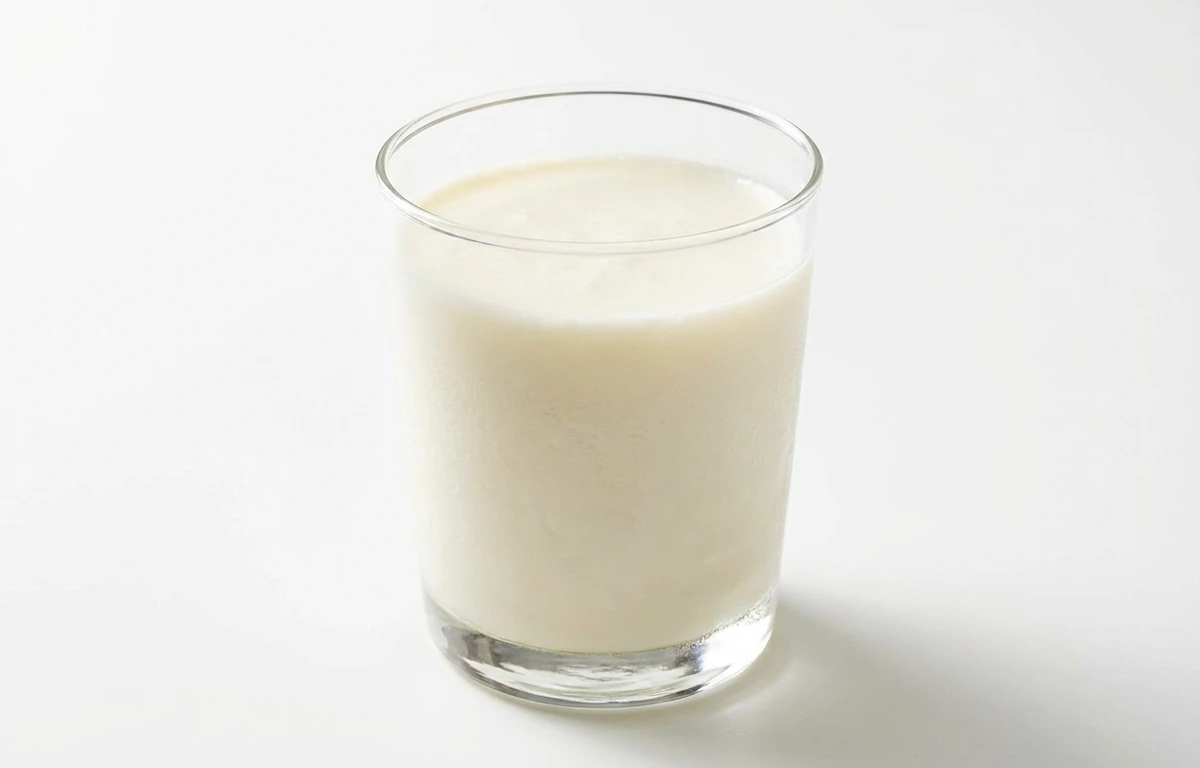
reduced fat buttermilk.
VegetarianVeganGluten-freeDairy-freeNut-freePeanut-freeSoy-freeEgg-freeShellfish-freeHoney-freeAlcohol-freeFermented
ALSO KNOWN AS
chaaschhachh
SERVING
CALORIES
56
PROTEIN
4.1g
CARBS
5.3g
FAT
2.0g
FIBER
0g
NUTRITION PROFILE · per 100 g
Everything in this ingredient.
MACRONUTRIENTS
Calories56kcal—
Protein4.1g8%
Carbohydrates5.3g2%
Fiber0g0%
Sugar5.3g11%
Total fat2.0g3%
Saturated fat1.2g6%
Cholesterol8.0mg3%
Water87.7g—
MINERALS
Sodium105mg5%
Potassium180mg4%
Calcium143mg11%
Iron0.06mg0%
Magnesium13mg3%
Phosphorus82mg7%
Zinc0.24mg2%
Copper0.01mg1%
Selenium2.3µg4%
VITAMINS
Vitamin A16µg2%
Vitamin C1.5mg2%
Vitamin D0µg0%
Vitamin E0.11mg1%
Vitamin K0.10µg0%
Thiamin (B1)0.05mg4%
Riboflavin (B2)0.21mg16%
Niacin (B3)0.10mg1%
Vitamin B60.03mg2%
Folate (B9)6.0µg2%
Vitamin B120.37µg15%
%DV based on a 2,000 cal diet. Source: USDA FoodData Central. A dash in the %DV column means there’s no established Daily Value for that nutrient.
MEASUREMENT CONVERSIONS
How much is what.
1 cup245g
1 tablespoon15.3g
1 teaspoon5.1g
1 ml1g
1 liter1020.8g
HEALTH BENEFITS
Why eat it.
- ✓A good source of probiotics (live cultures) which can support gut health and digestion.
- ✓Rich in calcium and often fortified with Vitamin D, both crucial for maintaining strong bones and teeth.
- ✓Lower in fat and calories than whole milk or traditional buttermilk, making it a healthier choice for baking and cooking.
- ✓Provides high-quality protein necessary for muscle building, repair, and overall body function.
COOKING TIPS
In the kitchen.
- 1The acidity in buttermilk tenderizes meat, making it an excellent ingredient for marinades, especially for fried chicken or pork.
- 2In baking, its acidity reacts with baking soda to act as a leavening agent, creating a light, tender crumb in biscuits, pancakes, and cakes.
- 3Use it to create creamy, tangy salad dressings, sauces, or soups with less fat than heavy cream or mayonnaise.
- 4If you run out, you can make a substitute by adding one tablespoon of lemon juice or white vinegar to one cup of regular milk and letting it stand for 5-10 minutes.
STORAGE
Keep it fresh.
- Always store in the refrigerator at or below 40°F (4°C) in its original, tightly sealed container.
- Use within 7-14 days after opening or by the 'best by' date. Shake well before each use as natural separation can occur.
- For longer storage, buttermilk can be frozen in ice cube trays for up to 3 months; thaw in the refrigerator before using in cooked or baked recipes.
FAQ
Frequently asked questions.
Is reduced fat buttermilk healthy?
Yes, reduced fat buttermilk is a nutrient-dense dairy option. It is rich in calcium and Vitamin D for bone health, provides high-quality protein, and contains probiotics that support a healthy gut and digestion.
How many calories and how much protein are in reduced fat buttermilk?
A 100g serving contains approximately 56 calories and 4.1 grams of protein. This makes it a low-calorie, high-protein liquid that is excellent for maintaining muscle mass while managing weight.
Is reduced fat buttermilk good for weight loss?
Yes, it is an excellent choice for weight loss because it is lower in fat and calories than whole milk or traditional buttermilk. Its protein content also helps you feel full longer, reducing the likelihood of overeating.
Is reduced fat buttermilk lactose-free?
No, it is not lactose-free as it is a dairy product. However, many people with mild lactose intolerance find it easier to digest than regular milk because the active cultures help break down some of the lactose.
Is reduced fat buttermilk keto-friendly?
It can be used in moderation, but it contains about 5.3g of carbohydrates per 100g from natural milk sugars. Those on a strict ketogenic diet should monitor their portions to ensure they stay within their daily carb limits.
What does reduced fat buttermilk taste like?
It has a distinctively tangy, slightly acidic flavor and a creamy, thick consistency. While it is lower in fat, it still provides a rich mouthfeel that enhances the flavor of both sweet and savory dishes.
Can I substitute reduced fat buttermilk for full-fat buttermilk in baking?
Yes, they are interchangeable in most recipes. The acidity in the reduced fat version will still react with baking soda to help cakes and biscuits rise, though the final result may be slightly less rich.
How do I make a quick substitute for reduced fat buttermilk?
You can create a substitute by mixing 1 cup of low-fat milk with 1 tablespoon of lemon juice or white vinegar. Let the mixture stand for 5 to 10 minutes until it thickens and curdles slightly before using.
How long does reduced fat buttermilk last in the refrigerator?
Once opened, it generally stays fresh for 7 to 14 days. Because it is already acidic, it lasts slightly longer than regular milk, but you should discard it if you notice mold, a very strong off-smell, or excessive thickness.
Can I freeze reduced fat buttermilk?
Yes, you can freeze it for up to 3 months. The texture may separate or become grainy once thawed, so it is best used for baking or cooking rather than drinking; simply whisk it thoroughly after thawing to recombine.



















