
Dairy
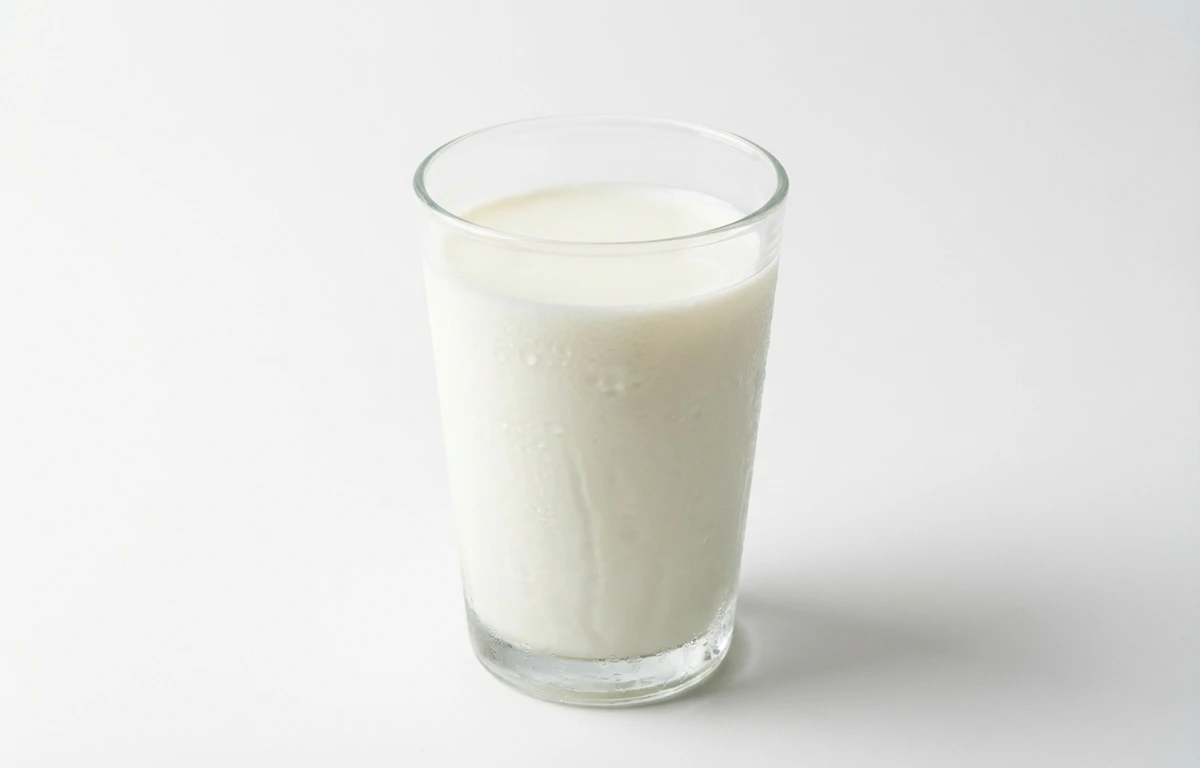
reduced fat milk.
VegetarianVeganGluten-freeDairy-freeNut-freePeanut-freeSoy-freeEgg-freeShellfish-freeHoney-freeAlcohol-free
SERVING
CALORIES
50
PROTEIN
3.3g
CARBS
4.8g
FAT
2.0g
FIBER
0g
NUTRITION PROFILE · per 100 g
Everything in this ingredient.
MACRONUTRIENTS
Calories50kcal—
Protein3.3g7%
Carbohydrates4.8g2%
Fiber0g0%
Sugar4.8g10%
Total fat2.0g3%
Saturated fat1.2g6%
Trans fat0g—
Cholesterol8.0mg3%
Water89.1g—
MINERALS
Sodium44mg2%
Potassium150mg3%
Calcium120mg9%
Iron0.03mg0%
Magnesium11mg3%
Phosphorus95mg8%
Zinc0.40mg4%
Copper0.01mg1%
Manganese0mg0%
Selenium3.7µg7%
VITAMINS
Vitamin A50µg6%
Vitamin C0mg0%
Vitamin D1.3µg7%
Vitamin E0.03mg0%
Vitamin K0.20µg0%
Thiamin (B1)0.04mg3%
Riboflavin (B2)0.18mg14%
Niacin (B3)0.10mg1%
Pantothenic acid (B5)0.36mg7%
Vitamin B60.04mg2%
Folate (B9)5.0µg1%
Vitamin B120.50µg21%
%DV based on a 2,000 cal diet. Source: USDA FoodData Central. A dash in the %DV column means there’s no established Daily Value for that nutrient.
MEASUREMENT CONVERSIONS
How much is what.
1 cup244g
1 tablespoon15.1g
1 teaspoon5g
1 ml1g
1 liter1006.7g
HEALTH BENEFITS
Why eat it.
- ✓Excellent source of calcium and vitamin D (if fortified), crucial for building and maintaining strong bones and teeth.
- ✓Provides high-quality complete protein, containing all essential amino acids needed for muscle repair and growth.
- ✓Lower in saturated fat and calories than whole milk, making it a heart-healthy choice for managing cholesterol levels and weight.
- ✓Rich in potassium, which helps to regulate blood pressure and balance fluids in the body.
COOKING TIPS
In the kitchen.
- 1When heating for sauces or beverages, use low to medium heat and stir constantly to prevent a skin from forming and to avoid scorching.
- 2To prevent curdling when adding to acidic dishes (like tomato soup), temper the milk by slowly whisking a small amount of the hot, acidic liquid into it before combining everything.
- 3Use as a base for lighter cream sauces, soups, and custards where the lower fat content is desirable.
- 4In baking, it provides moisture and protein, contributing to a tender crumb in cakes, muffins, and quick breads.
STORAGE
Keep it fresh.
- Always refrigerate at or below 40°F (4°C) and store it on a main shelf, not in the door where temperatures fluctuate.
- Keep the container tightly sealed to prevent absorption of odors from other foods in the refrigerator.
- Consume within 5-7 days after opening for best quality and safety.
FAQ
Frequently asked questions.
Is reduced fat milk healthy?
Yes, reduced fat milk is a nutrient-dense beverage that provides essential calcium, vitamin D, and high-quality protein. It offers these benefits with fewer calories and less saturated fat than whole milk, supporting bone health and muscle maintenance.
How much protein and fat are in reduced fat milk?
Per 100g, reduced fat milk contains approximately 3.3g of protein and 2g of fat. This balance provides a significant amount of complete protein while keeping the fat content lower than the 3.25% typically found in whole milk.
Is reduced fat milk good for weight loss?
Reduced fat milk can be a helpful tool for weight loss because it contains fewer calories (about 50 per 100g) than whole milk while remaining satiating due to its protein content. It allows you to maintain essential nutrient intake while reducing overall daily caloric consumption.
Is reduced fat milk lactose-free?
No, standard reduced fat milk contains lactose, which is the natural sugar found in dairy. Individuals with lactose intolerance should look for specific 'lactose-free' labeled versions of reduced fat milk or plant-based alternatives.
Is reduced fat milk keto-friendly?
Reduced fat milk is generally not considered keto-friendly because it contains about 4.8g of carbohydrates (lactose) per 100g. These sugars can add up quickly and may exceed the daily carb limits required to maintain ketosis.
Can I use reduced fat milk for baking instead of whole milk?
Yes, you can substitute reduced fat milk for whole milk in most baking recipes. While the final product might be slightly less rich or tender due to the lower fat content, the difference is usually negligible in items like cakes, muffins, and quick breads.
What does reduced fat milk taste like compared to whole milk?
Reduced fat milk has a lighter, less creamy consistency than whole milk but is noticeably richer than skim milk. It retains a mild, sweet dairy flavor but lacks the heavy mouthfeel associated with higher-fat dairy products.
How long does reduced fat milk last after opening?
Once opened, reduced fat milk typically stays fresh for 5 to 7 days when kept refrigerated at or below 40°F (4°C). Always check the 'sell-by' date and smell the milk before use to ensure it hasn't developed an off-odor or sour taste.
Can you freeze reduced fat milk?
Yes, you can freeze reduced fat milk for up to three months. However, the texture may become slightly grainy or separated upon thawing; shaking it well after it defrosts slowly in the refrigerator usually restores its consistency.
Is reduced fat milk better for heart health than whole milk?
Reduced fat milk is often recommended for heart health because it contains less saturated fat, which can help manage cholesterol levels. It also provides potassium, which helps to regulate blood pressure and balance fluids in the body.



















