
Loading...
Per 100g
Nutrition data source: USDA FoodData Central
Common measurement equivalents in grams
Yes, refined sorghum flour is a healthy gluten-free alternative to wheat. It provides essential minerals like phosphorus and magnesium for bone health and has a lower glycemic index than refined wheat flour, though it contains less fiber than whole-grain sorghum.
A 100g serving of refined sorghum flour contains approximately 359 calories and 8.4g of protein. It also provides 76.6g of carbohydrates and 3.3g of fat, making it a significant source of plant-based energy.
Yes, refined sorghum flour is naturally gluten-free. It is a safe and popular choice for individuals with celiac disease, gluten intolerance, or those following a gluten-free lifestyle.
No, refined sorghum flour is not keto-friendly. It is high in carbohydrates, with over 76g per 100g, which exceeds the daily carb limits typically required to maintain ketosis.
Yes, refined sorghum flour can be included in a diabetic diet in moderation. It has a lower glycemic index than refined wheat flour, which helps in managing blood sugar levels by preventing rapid spikes.
It has a mild, slightly sweet, and nutty flavor. Because its taste is relatively neutral compared to other gluten-free flours, it integrates well into a variety of recipes without being overpowering.
It is generally not recommended as a direct 1:1 substitute because it lacks the binding properties of gluten. For the best texture in baking, it should be mixed with other starches and a binder like xanthan gum.
refined sorghum flour is a versatile ingredient found in cuisines around the world. With 359 calories per 100g and 8.4 grams of protein, it's a nutritious addition to many dishes.
Explore more ingredients in the grain category with complete nutrition information.
View all grain →Discover 0 recipes featuring refined sorghum flour with step-by-step instructions.
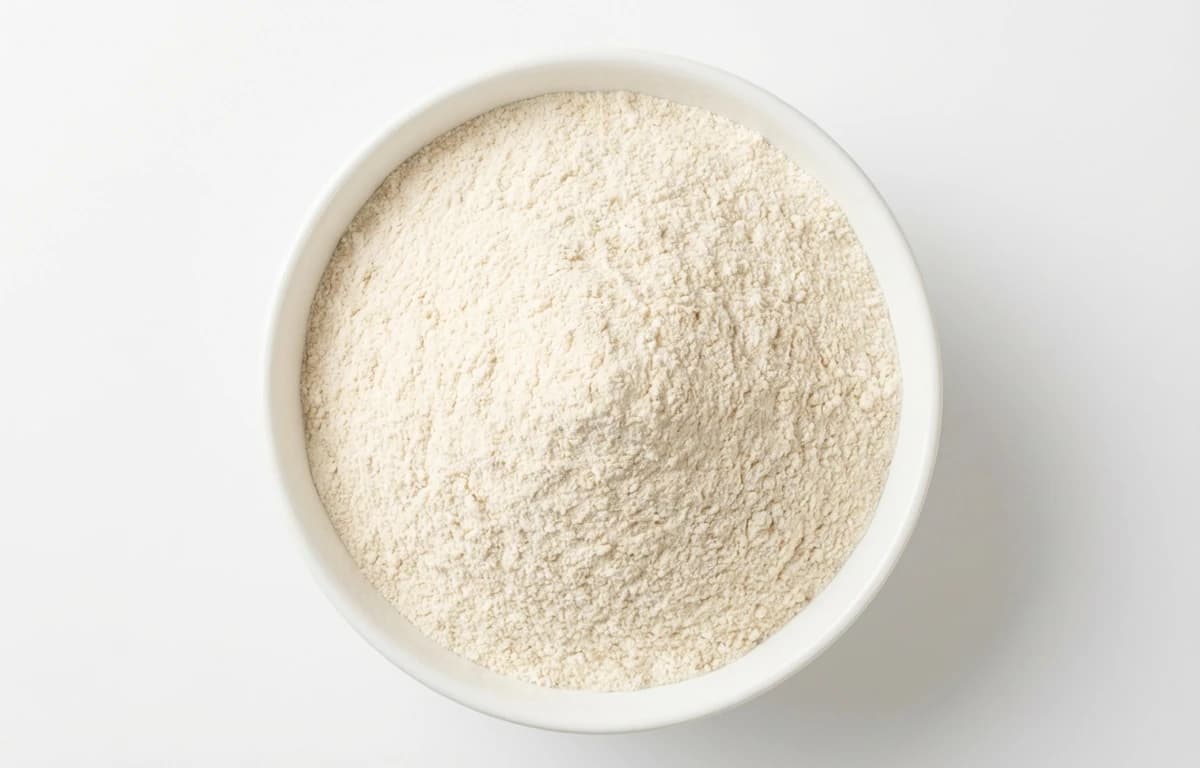
Browse recipes →Refined sorghum flour has the bran and germ removed, resulting in a smoother texture and lighter color. While this makes it better for delicate pastries, it contains less dietary fiber and fewer antioxidants than whole-grain sorghum flour.
Store refined sorghum flour in an airtight container in a cool, dry, and dark place. To extend its shelf life and prevent the natural oils from turning rancid, you can store it in the refrigerator or freezer.
It is excellent for making gluten-free pancakes, muffins, cookies, and cakes. It can also be used as a thickener for gravies and sauces or as a coating for fried foods to achieve a crisp texture.