
Other
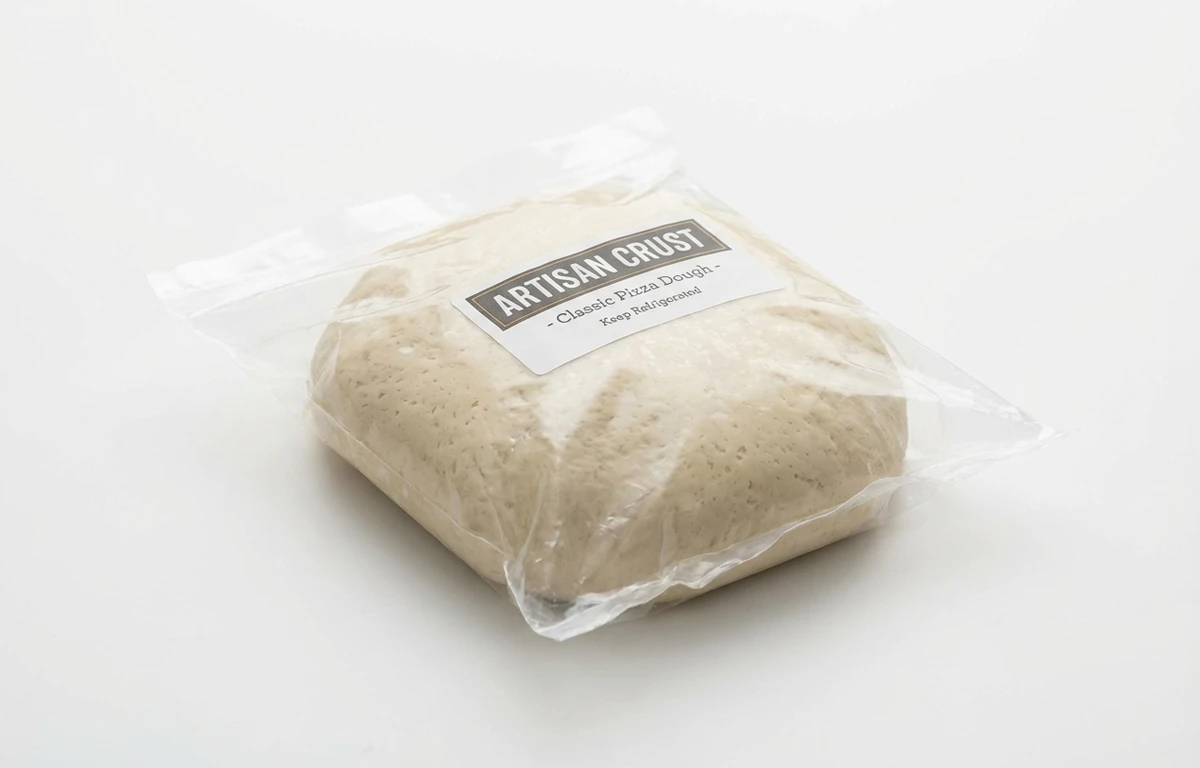
refrigerated pizza dough.
VegetarianVeganGluten-freeDairy-freeNut-freePeanut-freeSoy-freeEgg-freeShellfish-freeHoney-freeAlcohol-freeFermented
ALSO KNOWN AS
store-bought pizza doughready-to-bake pizza doughchilled pizza dough
SERVING
CALORIES
265
PROTEIN
8.0g
CARBS
48g
FAT
4.5g
FIBER
1.5g
Per 100 g, it provides 0.50 µg of vitamin K.
NUTRITION PROFILE · per 100 g
Everything in this ingredient.
MACRONUTRIENTS
Calories265kcal—
Protein8.0g16%
Carbohydrates48g17%
Fiber1.5g5%
Sugar4.0g8%
Total fat4.5g6%
Saturated fat1.0g5%
Trans fat0g—
Cholesterol0mg0%
Water38g—
MINERALS
Sodium580mg25%
Potassium85mg2%
Calcium30mg2%
Iron2.5mg14%
Magnesium15mg4%
Phosphorus80mg6%
Zinc0.60mg5%
Copper0.10mg11%
Manganese0.30mg13%
Selenium18µg33%
VITAMINS
Vitamin A0µg0%
Vitamin C0mg0%
Vitamin D0µg0%
Vitamin E0.20mg1%
Vitamin K0.50µg0%
Thiamin (B1)0.40mg33%
Riboflavin (B2)0.20mg15%
Niacin (B3)3.5mg22%
Pantothenic acid (B5)0.30mg6%
Vitamin B60.05mg3%
Folate (B9)100µg25%
Vitamin B120µg0%
%DV based on a 2,000 cal diet. Source: USDA FoodData Central. A dash in the %DV column means there’s no established Daily Value for that nutrient.
MEASUREMENT CONVERSIONS
How much is what.
1 cup225g
1 oz28.4g
1 lb453.6g
1 piece391g
HEALTH BENEFITS
Why eat it.
- ✓Quick source of carbohydrates for immediate energy
- ✓Provides essential B-vitamins through flour enrichment
- ✓Contains iron which supports oxygen transport in the blood
- ✓Convenient for portion-controlled home cooking
- ✓Versatile base for adding nutrient-dense vegetable toppings
COOKING TIPS
In the kitchen.
- 1Let the dough sit at room temperature for 20-30 minutes to make it easier to stretch
- 2Dust your work surface with flour or cornmeal to prevent the dough from sticking
- 3Preheat your oven and baking stone or sheet thoroughly to ensure a crispy bottom crust
STORAGE
Keep it fresh.
- Keep refrigerated in its original airtight packaging until the moment of use
- Once the seal is broken, wrap any unused dough tightly in plastic wrap to prevent drying
- Can be frozen for up to 2 months; thaw in the refrigerator overnight before using
FAQ
Frequently asked questions.
How long does refrigerated pizza dough last?
Unopened, it lasts until the 'best by' date on the package. Once opened, it should be used within 24 to 48 hours for best results.
Can I freeze refrigerated pizza dough?
Yes, you can freeze it in an airtight bag for up to 2 months. Thaw it in the fridge for 12-24 hours before you plan to bake.
Why is my pizza dough snapping back when I try to stretch it?
The dough is likely too cold. Let it sit at room temperature for about 30 minutes to relax the gluten before stretching.
Is refrigerated pizza dough vegan?
Not always. Many commercial brands contain dairy derivatives like whey or L-cysteine (which can be animal-derived). Always check the specific label.
What can I use as a substitute for pizza dough?
Good alternatives include flatbreads, pita bread, large flour tortillas, or even cauliflower-based crusts for a lower-carb option.
How do I get a crispy crust with store-bought dough?
Bake at a high temperature (at least 425°F/220°C) and use a preheated pizza stone or an inverted baking sheet.
Can I use this dough for things other than pizza?
Absolutely. It works well for making breadsticks, calzones, garlic knots, or even cinnamon rolls.
How do I know if the dough has gone bad?
Discard the dough if it has a sour or 'off' smell, shows signs of mold, or if the package was bulging significantly.
Does refrigerated dough contain yeast?
Yes, it contains yeast, but it is formulated to rise primarily during the baking process rather than during storage.



















