
meat
Regular-Cut Bacon.
VegetarianVeganGluten-freeDairy-freeNut-freePeanut-freeSoy-freeEgg-freeShellfish-freeHoney-freeAlcohol-free
ALSO KNOWN AS
pork baconrashers
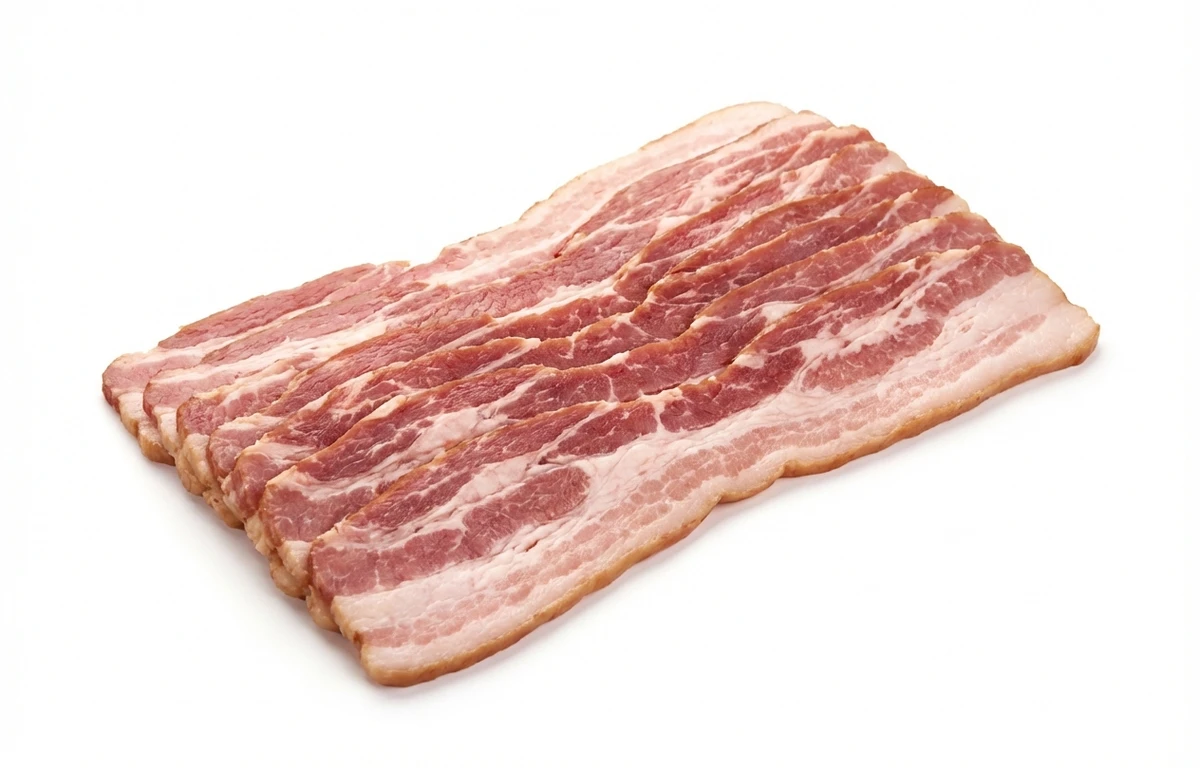
SERVING
CALORIES
450
PROTEIN
28g
CARBS
1.4g
FAT
38g
FIBER
0g
NUTRITION PROFILE · per 100 g
Everything in this ingredient.
MACRONUTRIENTS
Calories450kcal—
Protein28g56%
Carbohydrates1.4g1%
Fiber0g0%
Sugar1.0g2%
Total fat38g49%
Saturated fat13g65%
Trans fat0g—
Cholesterol70mg23%
Water30g—
MINERALS
Sodium1500mg65%
Potassium350mg7%
Calcium10mg1%
Iron1.0mg6%
Magnesium15mg4%
Phosphorus300mg24%
Zinc2.5mg23%
Copper0.10mg11%
Manganese0.01mg0%
Selenium45µg82%
VITAMINS
Vitamin A0µg0%
Vitamin C0mg0%
Vitamin D0.80µg4%
Vitamin E0.20mg1%
Vitamin K0µg0%
Thiamin (B1)0.40mg33%
Riboflavin (B2)0.20mg15%
Niacin (B3)6.0mg38%
Pantothenic acid (B5)0.80mg16%
Vitamin B60.30mg18%
Folate (B9)2.0µg1%
Vitamin B121.2µg50%
%DV based on a 2,000 cal diet. Source: USDA FoodData Central. A dash in the %DV column means there’s no established Daily Value for that nutrient.
MEASUREMENT CONVERSIONS
How much is what.
1 oz28.4g
1 lb453.6g
1 piece25g
HEALTH BENEFITS
Why eat it.
- ✓High quality protein source for muscle maintenance
- ✓Rich in B vitamins including B12 and Niacin
- ✓Good source of selenium for thyroid health
- ✓Contains phosphorus for bone strength
- ✓Provides essential dietary fats for energy
COOKING TIPS
In the kitchen.
- 1Start bacon in a cold pan to render fat more effectively and prevent curling
- 2Bake on a parchment-lined sheet at 400°F (200°C) for even cooking and less mess
- 3Drain cooked bacon on paper towels to remove excess grease and maximize crispness
STORAGE
Keep it fresh.
- Keep refrigerated in original vacuum-sealed packaging until use
- Once opened, wrap tightly in foil or plastic wrap and use within 1 week
- Can be frozen for up to 6 months; thaw in the refrigerator before cooking
FAQ
Frequently asked questions.
How long does raw bacon last in the fridge?
Unopened vacuum-sealed bacon lasts about 2 weeks. Once opened, it should be consumed within 7 days.
Can you freeze bacon?
Yes, bacon freezes very well. For convenience, freeze individual slices between layers of wax paper so you can defrost only what you need.
How can I tell if bacon has gone bad?
Spoiled bacon will have a grey, brown, or greenish tint, a slimy texture, and a sour or off-putting odor.
What is the best way to cook bacon for a crowd?
Oven-baking is the most efficient method for large quantities, as it requires no flipping and cooks evenly.
Is bacon gluten-free?
Pure pork bacon is naturally gluten-free, but some brands use flavorings or curing agents that contain gluten. Always check the label.
What are good substitutes for pork bacon?
Turkey bacon or beef bacon are common meat alternatives. For vegetarian options, try tempeh bacon, seitan bacon, or smoked tofu.
Why is bacon so high in sodium?
Bacon is a cured meat, meaning it is treated with a mixture of salt, sugar, and nitrates to preserve it and develop flavor.
What should I do with leftover bacon grease?
Strain it and store it in a glass jar in the fridge. It can be used as a flavorful cooking fat for sautéing vegetables or frying eggs.
SAME CATEGORY
Other meat.
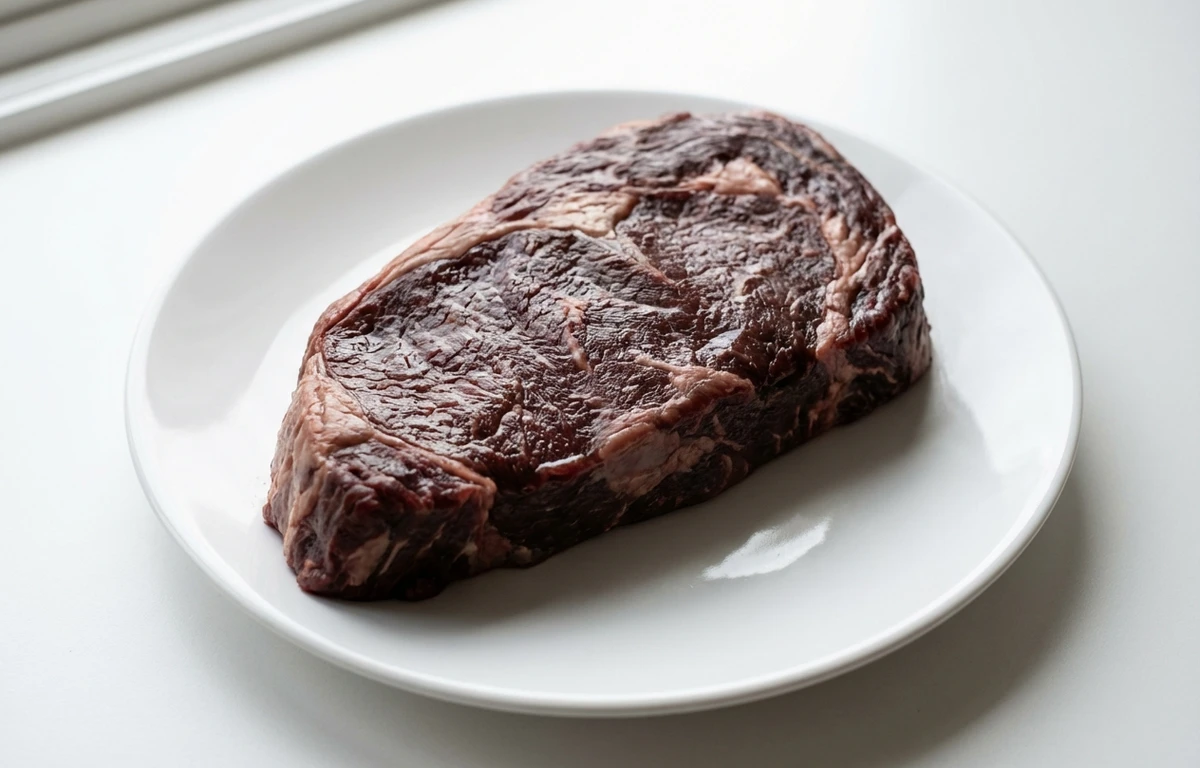
black bear meat
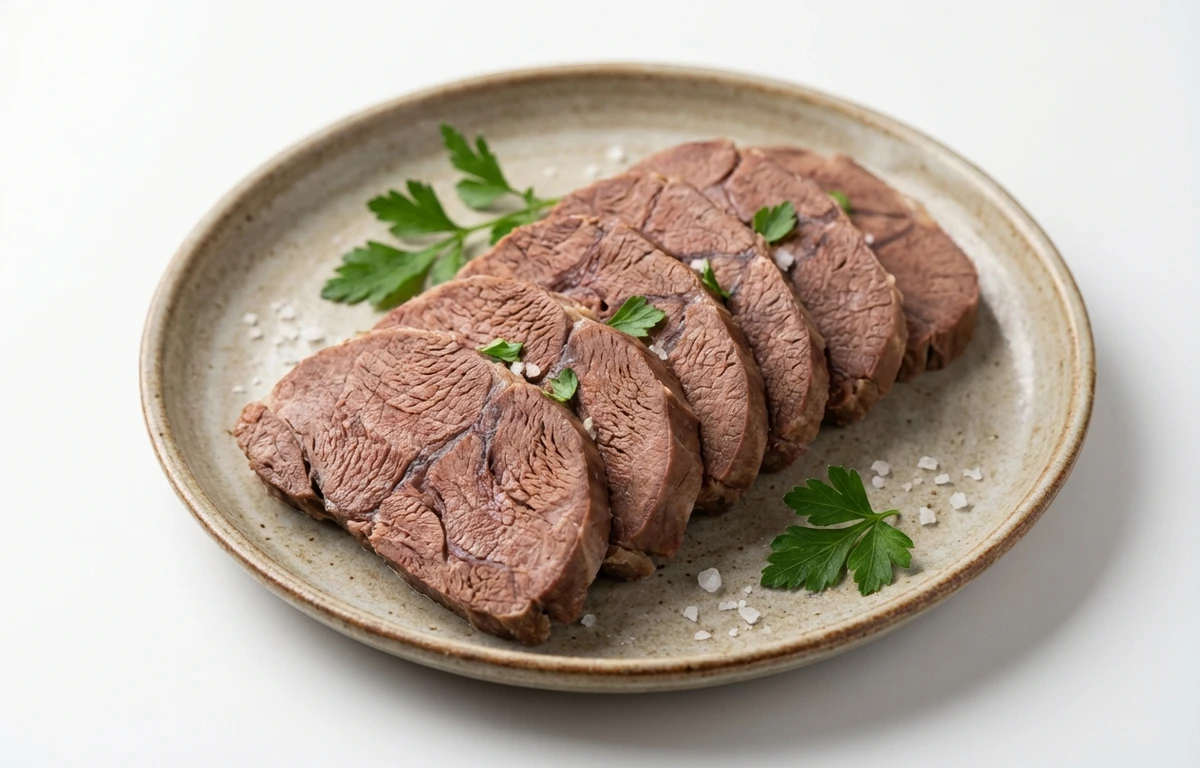
boiled beef heart
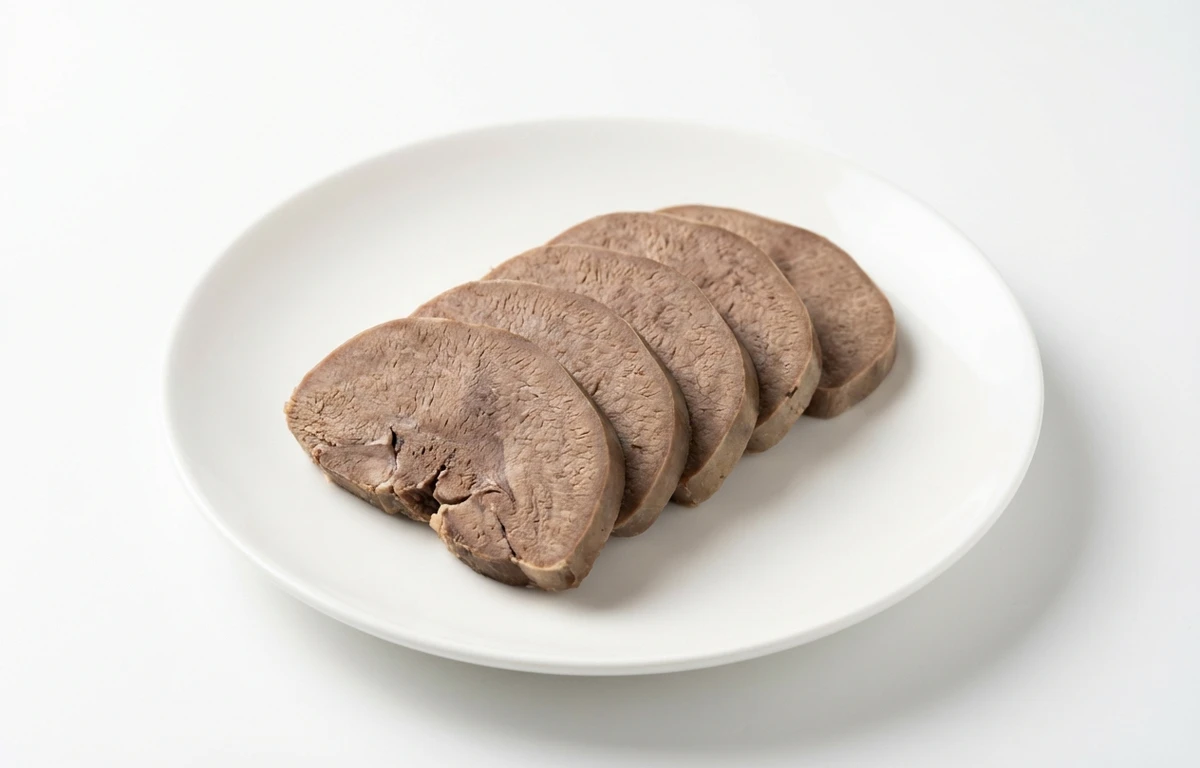
boiled beef kidney
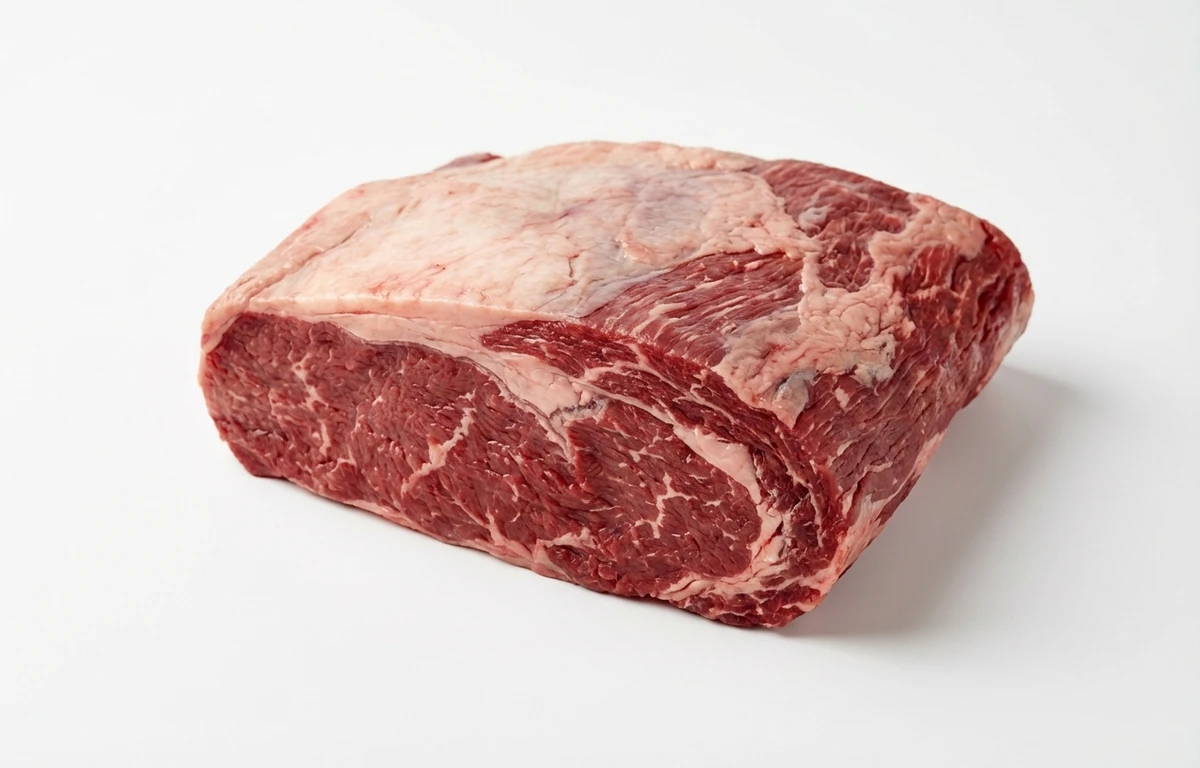
braised beef brisket navel end lean
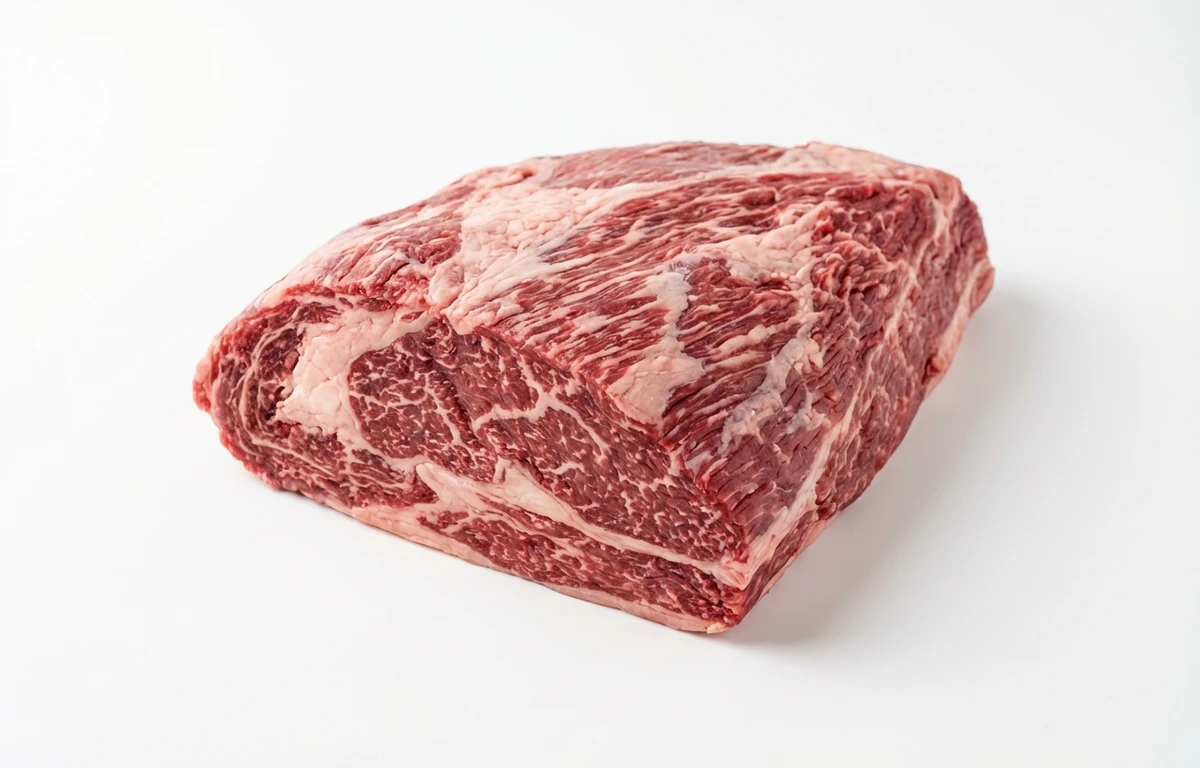
braised beef brisket point end lean
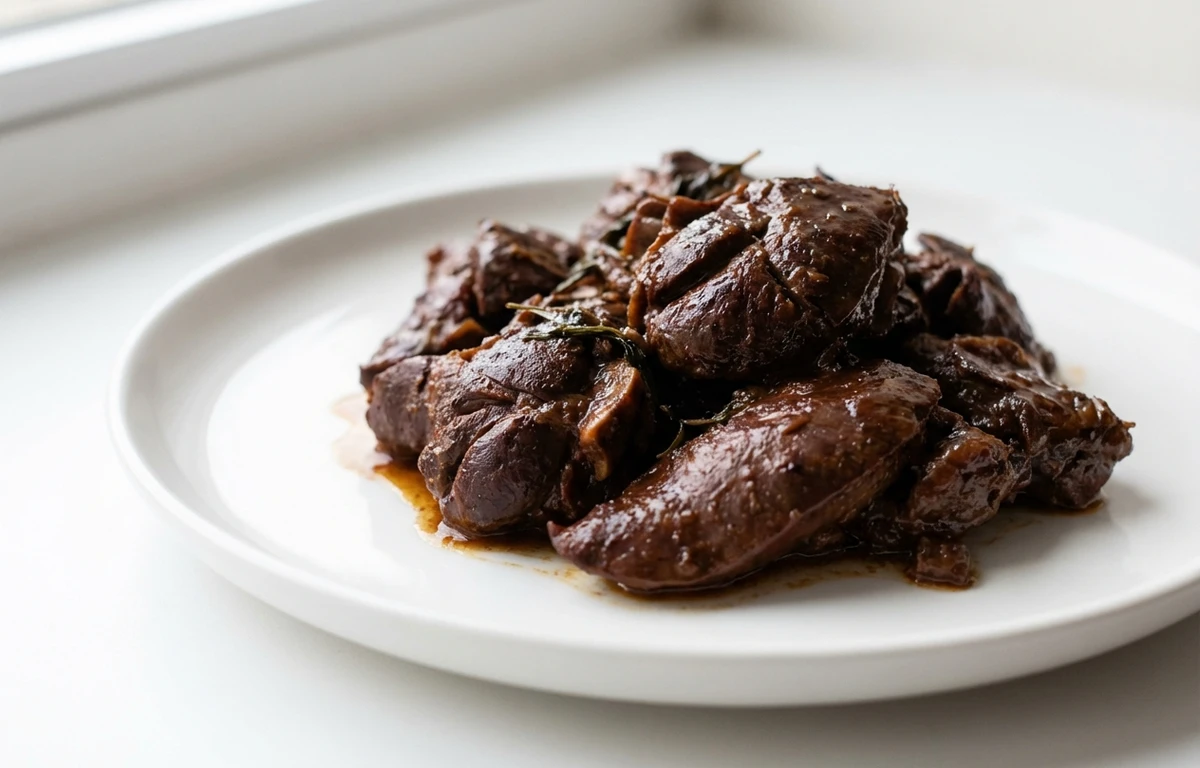
braised cooked lamb lungs
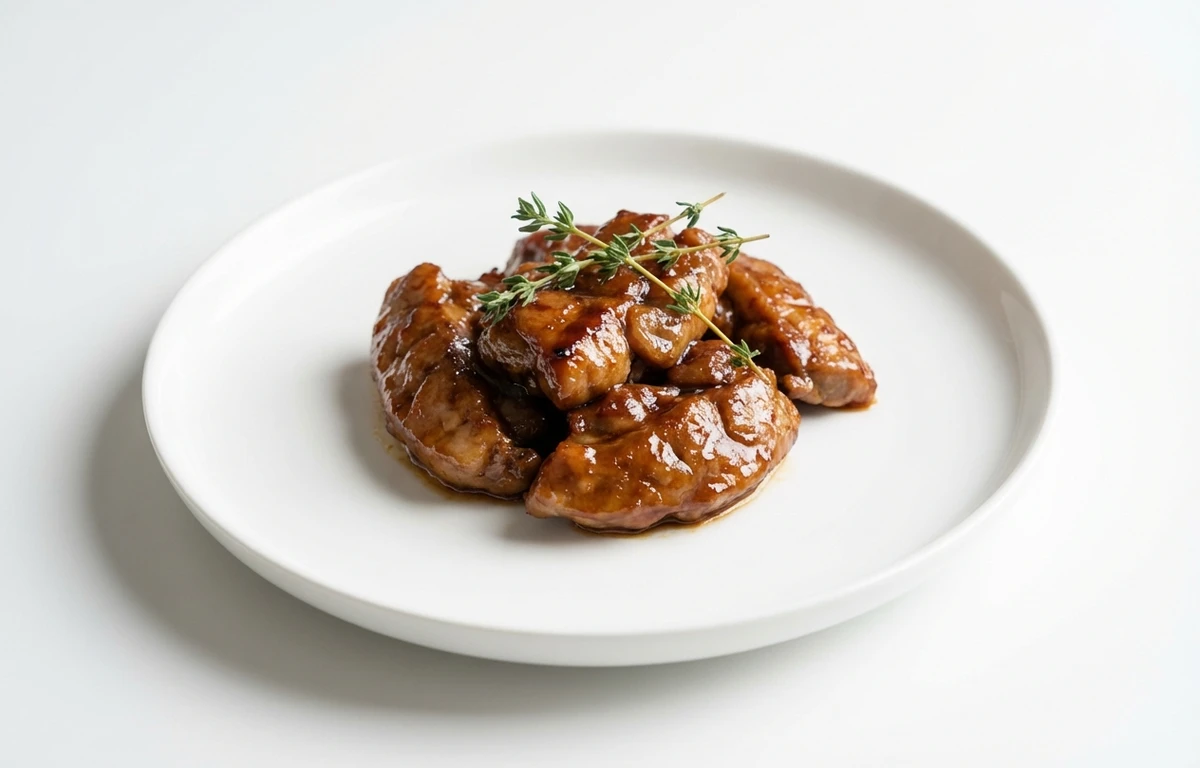
braised cooked lamb pancreas
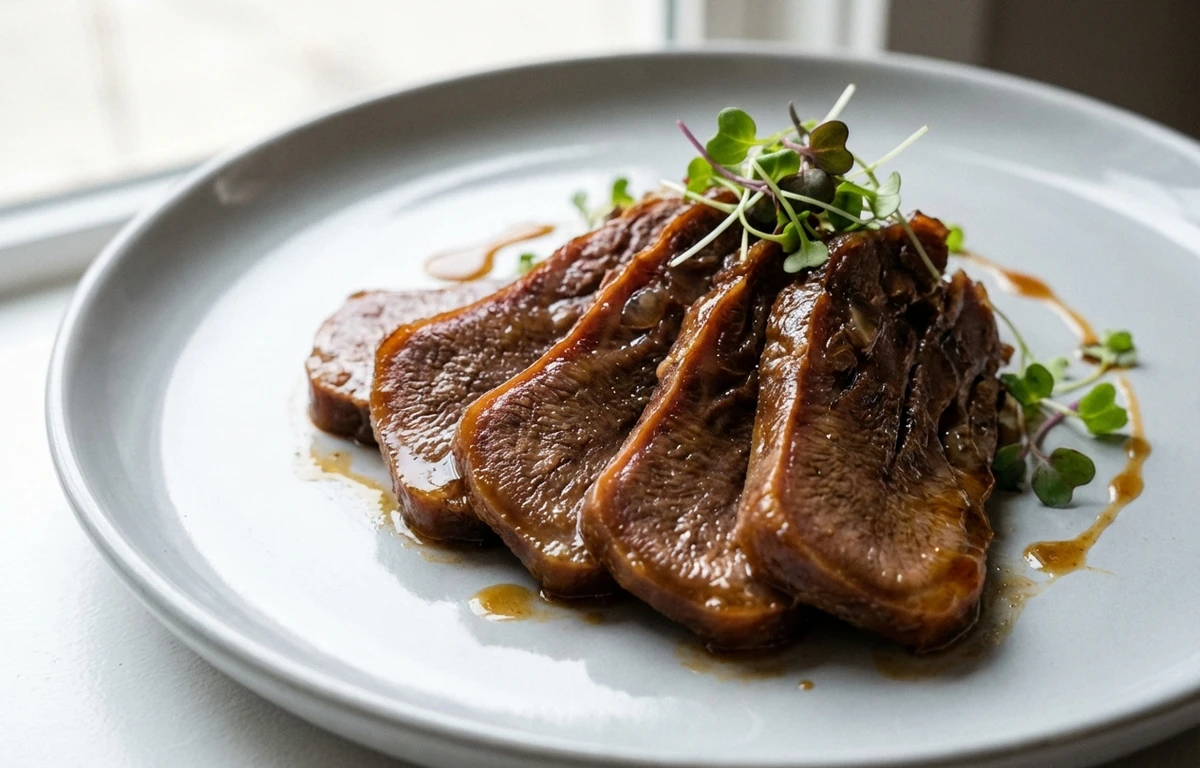
braised cooked lamb tongue
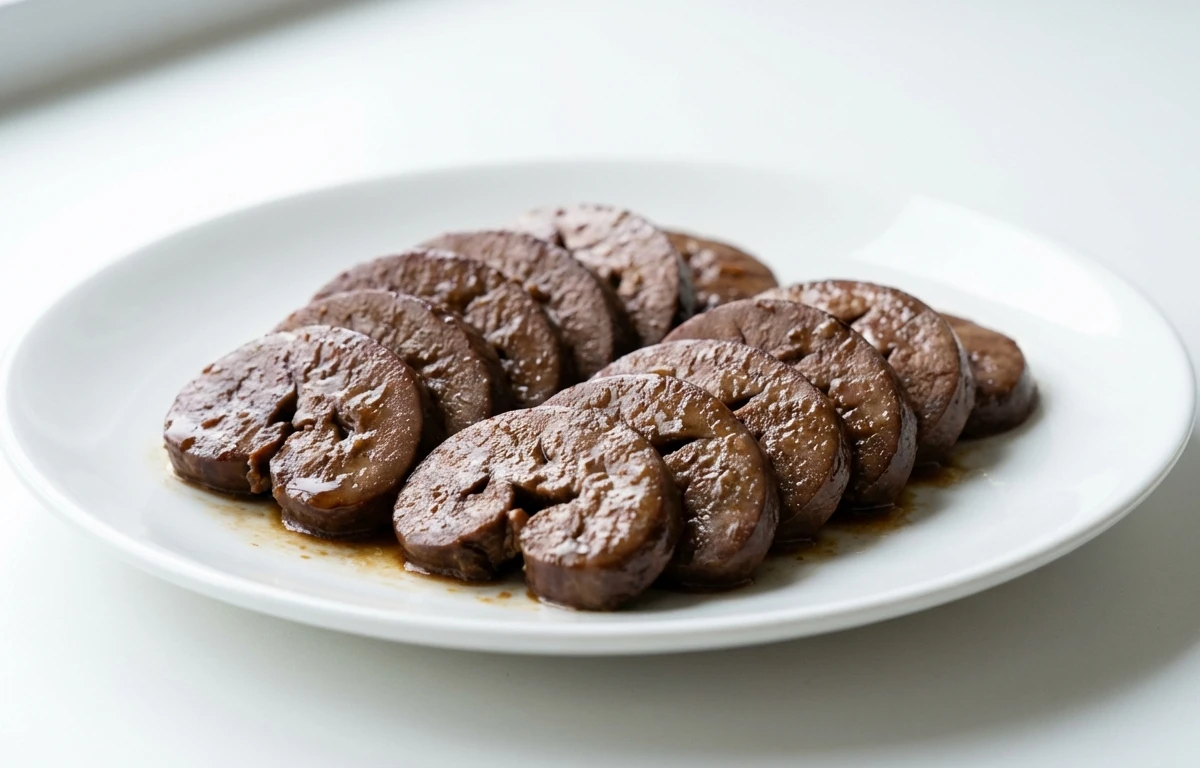
braised cooked pork kidneys
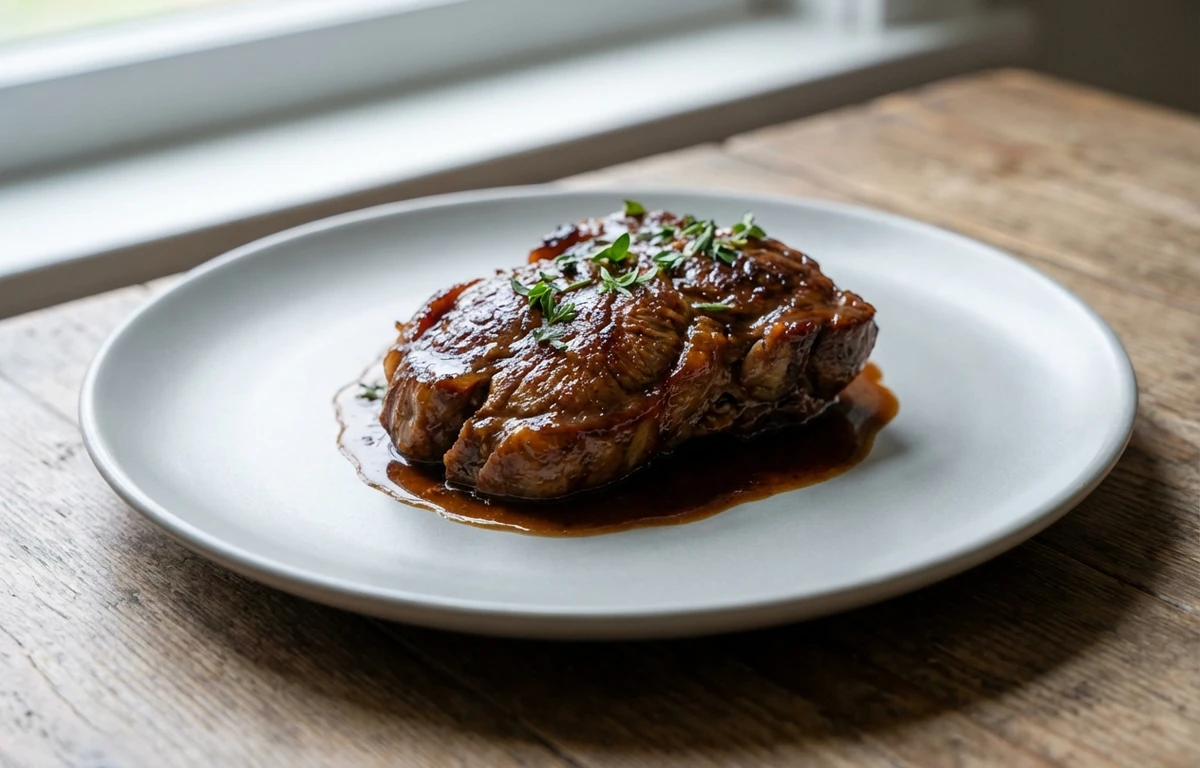
braised cooked veal thymus
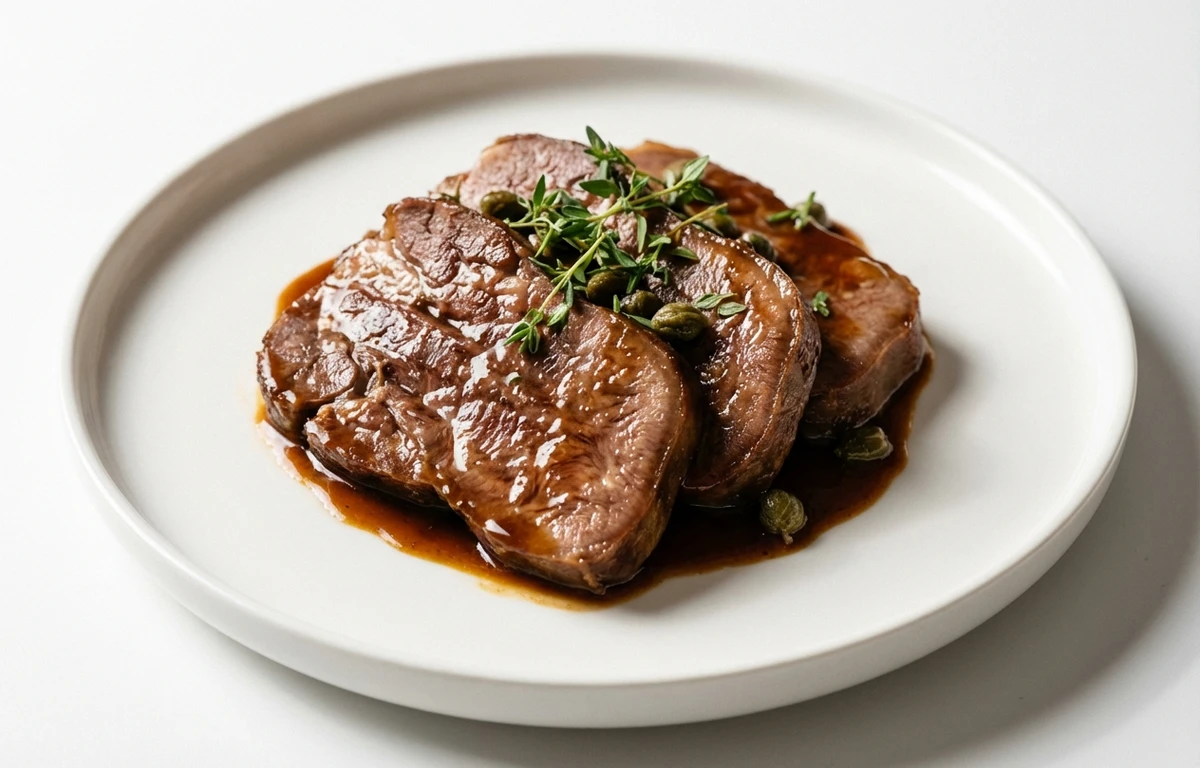
braised cooked veal tongue
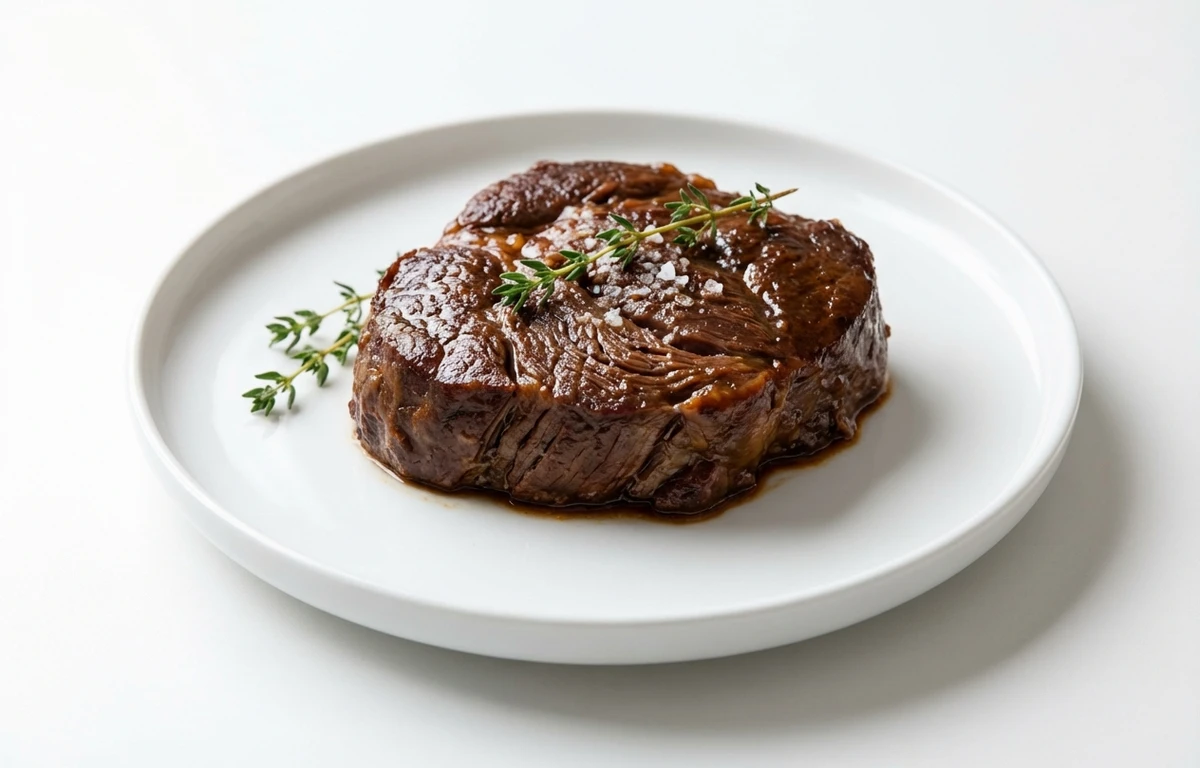
braised select bottom round beef steak









