
Vegetable
rehydrated emi-tsunomata seaweed.
VegetarianVeganGluten-freeDairy-freeNut-freePeanut-freeSoy-freeEgg-freeShellfish-freeHoney-freeAlcohol-free
ALSO KNOWN AS
rehydrated red seaweedsoaked emi-tsunomatarehydrated chondrus ocellatusrehydrated kaisorehydrated irish moss
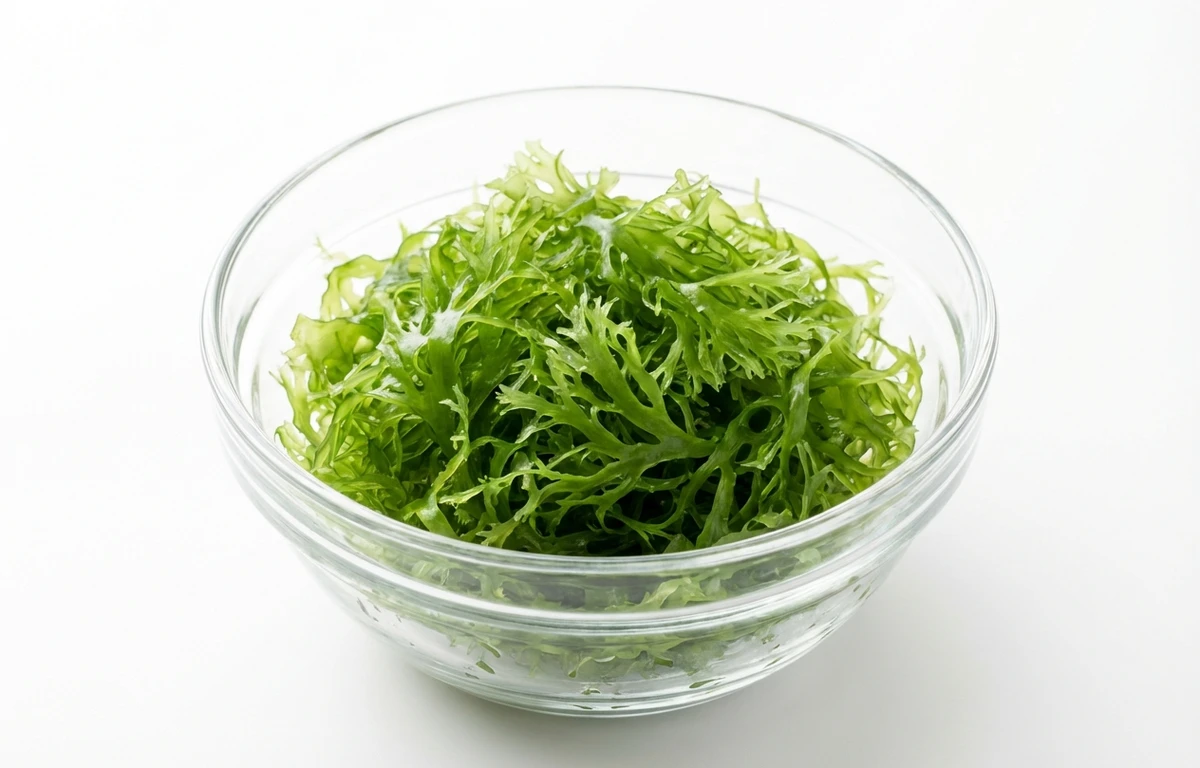
SERVING
CALORIES
20
PROTEIN
1.5g
CARBS
4.2g
FAT
0.20g
FIBER
3.1g
This ingredient is flagged as naturally gluten-free. Per 100 g, it provides 40 µg of vitamin K.
NUTRITION PROFILE · per 100 g
Everything in this ingredient.
MACRONUTRIENTS
Calories20kcal—
Protein1.5g3%
Carbohydrates4.2g2%
Fiber3.1g11%
Sugar0.10g0%
Total fat0.20g0%
Saturated fat0.05g0%
Trans fat0g—
Cholesterol0mg0%
Water91g—
MINERALS
Sodium320mg14%
Potassium60mg1%
Calcium70mg5%
Iron1.8mg10%
Magnesium45mg11%
Phosphorus25mg2%
Zinc0.40mg4%
Copper0.10mg11%
Manganese0.20mg9%
Selenium0.70µg1%
VITAMINS
Vitamin A5.0µg1%
Vitamin C2.0mg2%
Vitamin D0µg0%
Vitamin E0.50mg3%
Vitamin K40µg33%
Thiamin (B1)0.02mg2%
Riboflavin (B2)0.15mg12%
Niacin (B3)0.30mg2%
Pantothenic acid (B5)0.10mg2%
Vitamin B60.05mg3%
Folate (B9)15µg4%
Vitamin B120µg0%
%DV based on a 2,000 cal diet. Source: USDA FoodData Central. A dash in the %DV column means there’s no established Daily Value for that nutrient.
MEASUREMENT CONVERSIONS
How much is what.
1 cup80g
1 tablespoon9g
1 teaspoon3g
1 oz28.4g
1 lb453.6g
1 ml2g
1 liter800g
HEALTH BENEFITS
Why eat it.
- ✓Excellent source of dietary fiber for digestive health
- ✓Rich in iodine which supports thyroid function
- ✓Provides essential trace minerals like magnesium and calcium
COOKING TIPS
In the kitchen.
- 1Rinse thoroughly after rehydrating to remove excess sea salt
- 2Do not over-soak as it can become too soft and lose its signature crunch
- 3Add to salads or cold dishes just before serving to maintain texture
STORAGE
Keep it fresh.
- Store rehydrated seaweed in an airtight container in the refrigerator
- Keep submerged in a small amount of water to maintain crunchiness
- Consume within 3 to 4 days for optimal freshness and texture
FAQ
Frequently asked questions.
How long does rehydrated emi-tsunomata last?
Once rehydrated, it should be kept refrigerated and consumed within 3-4 days.
Can rehydrated seaweed be frozen?
Freezing is not recommended as it destroys the cellular structure, resulting in a mushy texture upon thawing.
How do I properly rehydrate dried emi-tsunomata?
Soak the dried seaweed in plenty of cold water for 5 to 10 minutes until it expands and becomes vibrant in color.
What does emi-tsunomata taste like?
It has a very mild, slightly salty oceanic flavor and is prized mostly for its crunchy, cartilaginous texture.
What are the best substitutes for emi-tsunomata?
Other red seaweeds like Dulse or Irish Moss, or more common seaweeds like Wakame, though the texture will differ.
How do I select high-quality emi-tsunomata?
Look for seaweed that has a bright, consistent color (usually red, green, or white) and no signs of sliminess or off-odors.
Is it high in sodium?
It naturally contains sodium from the sea; rinsing it thoroughly after rehydration can significantly reduce the salt content.
What are common dishes using this ingredient?
It is most commonly used in Japanese Kaiso (seaweed) salads, as a sashimi garnish, or in clear soups.
Is it suitable for a vegan diet?
Yes, it is a 100% plant-based sea vegetable suitable for vegan and vegetarian diets.



















