Grain10 recipes
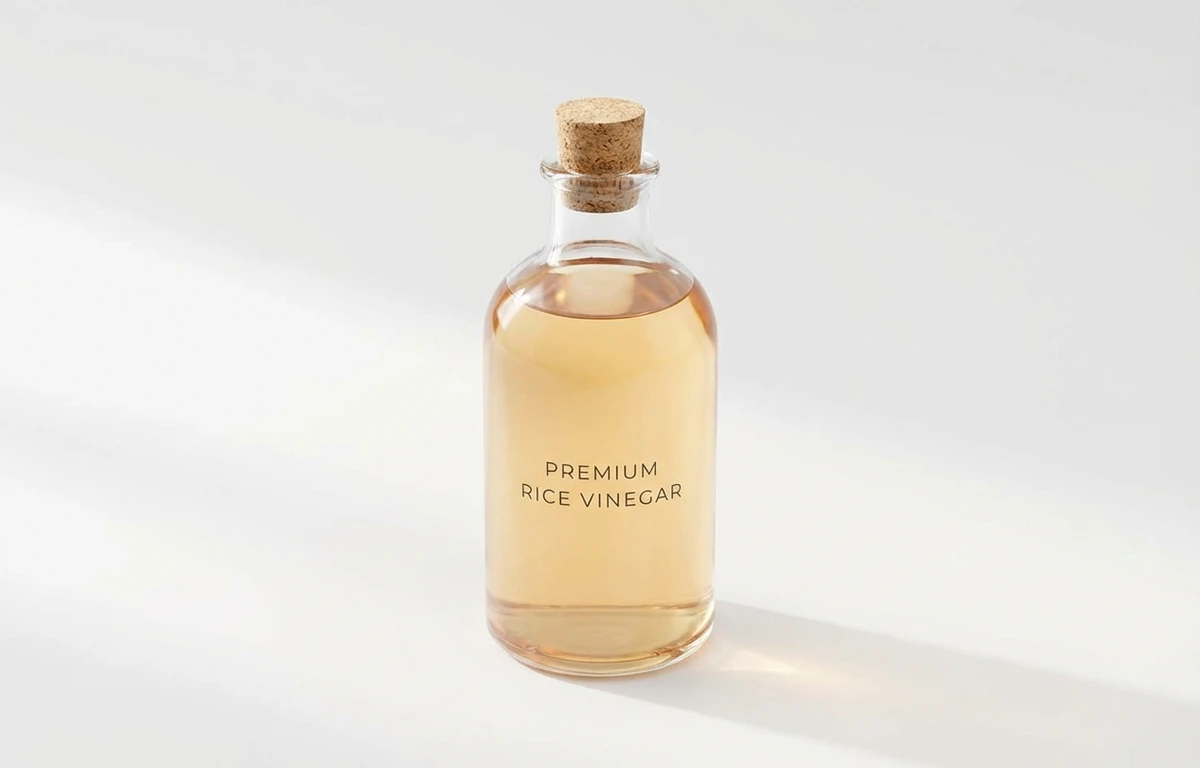
rice vinegar.
VegetarianVeganGluten-freeDairy-freeNut-freePeanut-freeSoy-freeEgg-freeShellfish-freeHoney-freeAlcohol-freeFermented
ALSO KNOWN AS
rice wine vinegarkomezuwhite rice vinegarmễ giấmchonju
SERVING
CALORIES
18
PROTEIN
0g
CARBS
0.90g
FAT
0g
FIBER
0g
NUTRITION PROFILE · per 100 g
Everything in this ingredient.
MACRONUTRIENTS
Calories18kcal—
Protein0g0%
Carbohydrates0.90g0%
Fiber0g0%
Sugar0g0%
Total fat0g0%
Saturated fat0g0%
Trans fat0g—
Cholesterol0mg0%
Water99.1g—
MINERALS
Sodium5.0mg0%
Potassium2.0mg0%
Calcium0mg0%
Iron0mg0%
Magnesium1.0mg0%
Phosphorus4.0mg0%
Zinc0.02mg0%
Copper0.01mg1%
Manganese0.01mg0%
Selenium0.10µg0%
VITAMINS
Vitamin A0µg0%
Vitamin C0mg0%
Vitamin D0µg0%
Vitamin E0mg0%
Vitamin K0µg0%
Thiamin (B1)0mg0%
Riboflavin (B2)0mg0%
Niacin (B3)0mg0%
Pantothenic acid (B5)0mg0%
Vitamin B60mg0%
Folate (B9)0µg0%
Vitamin B120µg0%
%DV based on a 2,000 cal diet. Source: USDA FoodData Central. A dash in the %DV column means there’s no established Daily Value for that nutrient.
MEASUREMENT CONVERSIONS
How much is what.
1 cup240g
1 tablespoon15g
1 teaspoon5g
1 oz28.4g
1 lb453.6g
1 ml1g
1 liter1000g
HEALTH BENEFITS
Why eat it.
- ✓Extremely low in calories and fat-free
- ✓Contains acetic acid which may aid digestion
- ✓May help improve insulin sensitivity after high-carb meals
- ✓Possesses natural antimicrobial properties
- ✓Contains small amounts of amino acids from the rice fermentation
COOKING TIPS
In the kitchen.
- 1Essential for seasoning sushi rice to give it the characteristic tang
- 2Use as a mild acid in salad dressings to avoid overpowering delicate greens
- 3Add a splash to stir-fries at the end of cooking to brighten the overall flavor
STORAGE
Keep it fresh.
- Store in a cool, dark place like a pantry to preserve flavor
- Ensure the cap is tightly sealed to prevent evaporation and oxidation
- While it doesn't require refrigeration, it can help maintain peak quality for longer
FAQ
Frequently asked questions.
How long does rice vinegar last?
Unopened rice vinegar can last indefinitely. Once opened, it maintains best quality for about 2 years if stored properly in a cool, dark place.
What is the difference between rice vinegar and seasoned rice vinegar?
Standard rice vinegar is just fermented rice. Seasoned rice vinegar has added sugar and salt, making it higher in calories and sodium.
What is the best substitute for rice vinegar?
Apple cider vinegar is the best substitute due to its mildness. White wine vinegar or champagne vinegar also work well.
Is rice vinegar gluten-free?
Yes, pure rice vinegar is made from rice and is naturally gluten-free. Always check labels for 'seasoned' versions which might contain additives.
Can I use white distilled vinegar instead of rice vinegar?
White distilled vinegar is much harsher and more acidic. If using it as a substitute, dilute it with a little water and add a pinch of sugar.
Does rice vinegar need to be refrigerated?
No, its high acidity makes it shelf-stable. However, refrigeration can help preserve the delicate aroma and flavor over several years.
How do I pick a high-quality rice vinegar?
Look for 'brewed' or 'naturally fermented' on the label. Avoid brands that list 'acetic acid' as a primary ingredient rather than rice.
Is rice vinegar the same as rice wine?
No. Rice wine (like sake or mirin) is an alcoholic beverage used for drinking or cooking, while rice vinegar is the fermented acidic result of rice wine.
Can rice vinegar be used for pickling?
Yes, it is excellent for quick pickling vegetables like cucumbers, carrots, and radishes because of its mild, slightly sweet profile.
RECIPES
Cook with rice vinegar.
10 recipes · sorted by what’s quick
.webp)