
Dairy1 recipes
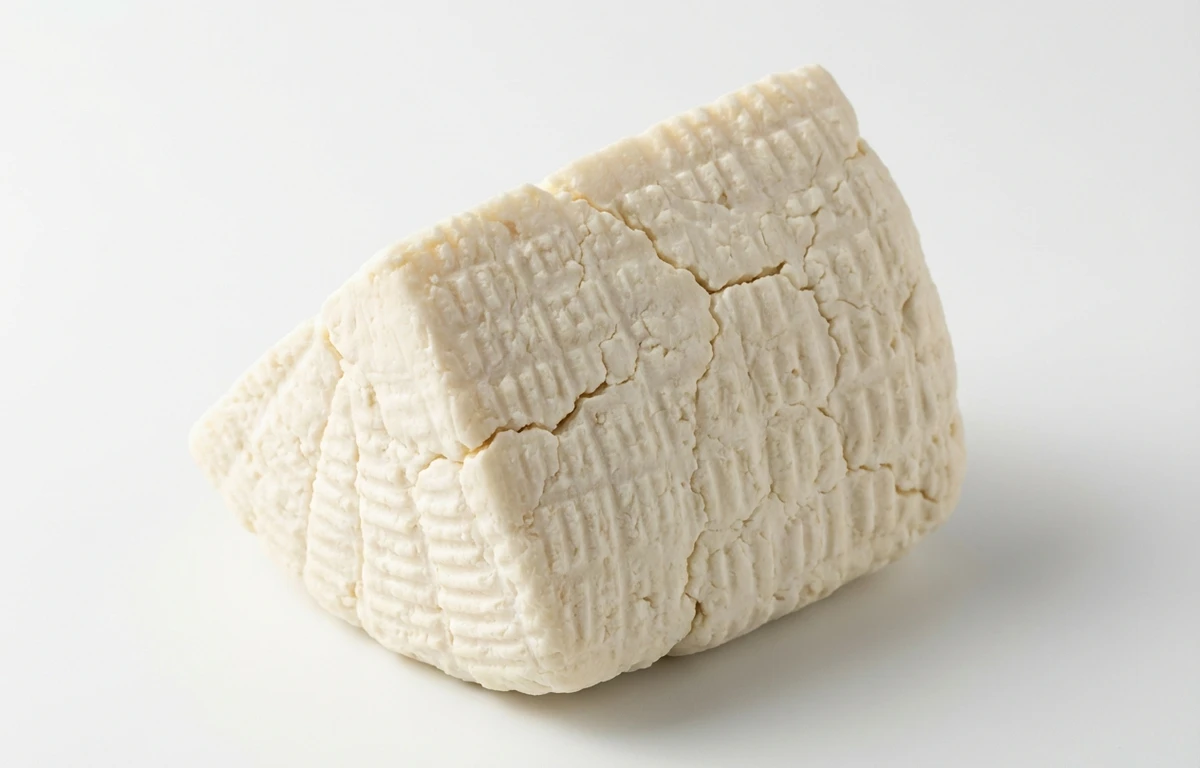
ricotta salata cheese.
VegetarianVeganGluten-freeDairy-freeNut-freePeanut-freeSoy-freeEgg-freeShellfish-freeHoney-freeAlcohol-freeFermented
ALSO KNOWN AS
recotta salata cheesericotta salatasalted ricotta
SERVING
CALORIES
280
PROTEIN
18.5g
CARBS
3.0g
FAT
21g
FIBER
0g
NUTRITION PROFILE · per 100 g
Everything in this ingredient.
MACRONUTRIENTS
Calories280kcal—
Protein18.5g37%
Carbohydrates3.0g1%
Fiber0g0%
Sugar3.0g6%
Total fat21g27%
Saturated fat13g65%
Trans fat0.35g—
Cholesterol65mg22%
Water52g—
MINERALS
Sodium700mg30%
Potassium100mg2%
Calcium650mg50%
Iron0.20mg1%
Magnesium19.7mg5%
Phosphorus162mg13%
Zinc0.56mg5%
Copper0mg0%
Manganese0mg0%
Selenium5.5µg10%
VITAMINS
Vitamin A200µg22%
Vitamin C0mg0%
Vitamin D0.50µg3%
Vitamin E0.27mg2%
Vitamin K0.60µg1%
Thiamin (B1)0.04mg3%
Riboflavin (B2)0.33mg25%
Niacin (B3)0.17mg1%
Pantothenic acid (B5)0.67mg13%
Vitamin B60.10mg6%
Folate (B9)4.0µg1%
Vitamin B120.78µg33%
%DV based on a 2,000 cal diet. Source: USDA FoodData Central. A dash in the %DV column means there’s no established Daily Value for that nutrient.
MEASUREMENT CONVERSIONS
How much is what.
1 cup120g
1 tablespoon7.5g
1 teaspoon2.5g
1 ml0.5g
1 liter500g
HEALTH BENEFITS
Why eat it.
- ✓Excellent source of calcium and phosphorus, which are crucial for maintaining strong bones and teeth.
- ✓Provides high-quality, complete protein (from whey) that supports muscle maintenance and growth.
- ✓Contains beneficial fatty acids, such as conjugated linoleic acid (CLA), especially if made from the milk of grass-fed animals.
COOKING TIPS
In the kitchen.
- 1Use as a finishing cheese; its firm, crumbly texture is perfect for grating, shaving, or crumbling over pasta, salads, and roasted vegetables.
- 2Pair its salty, milky flavor with sweet ingredients like watermelon, figs, or honey for a balanced appetizer.
- 3Unlike fresh ricotta, ricotta salata does not melt into a creamy sauce. It will soften when heated but largely retains its shape, making it ideal for adding texture.
- 4Crumble it into savory tarts, frittatas, or omelets before baking for pockets of salty flavor.
STORAGE
Keep it fresh.
- Wrap the cheese in parchment or wax paper, then place it in a loosely sealed plastic bag. This allows it to breathe while preventing it from drying out.
- Store in the cheese drawer or the warmest part of your refrigerator (around 40°F or 4°C) for up to three weeks after opening.
FAQ
Frequently asked questions.
Is ricotta salata healthy?
Ricotta salata is a nutrient-dense cheese that is an excellent source of calcium and phosphorus, which are essential for bone health. It also provides high-quality whey protein and beneficial fatty acids like conjugated linoleic acid (CLA). However, it is relatively high in sodium and fat, so it should be consumed in moderation as part of a balanced diet.
How much protein and calories are in ricotta salata?
A 100g serving of ricotta salata contains approximately 280 calories and 18.5g of protein. This high protein content makes it an effective option for supporting muscle maintenance and growth.
Is ricotta salata keto-friendly?
Yes, ricotta salata is very keto-friendly. It contains only 3g of carbohydrates and 21g of fat per 100g, making it an ideal high-fat, low-carb addition to a ketogenic lifestyle.
Is ricotta salata gluten-free?
Yes, traditional ricotta salata is naturally gluten-free as it is made from sheep's milk whey and salt. It is safe for individuals with celiac disease or gluten sensitivities, though you should always check labels for potential cross-contamination during processing.
What is the difference between fresh ricotta and ricotta salata?
Fresh ricotta is soft, creamy, and sweet, whereas ricotta salata is pressed, salted, and aged for at least 90 days. This process transforms the cheese into a firm, crumbly texture with a salty, nutty flavor profile similar to a mild feta.
What does ricotta salata taste like?
Ricotta salata has a mild, milky, and distinctly salty flavor with a subtle nuttiness. Its texture is firm yet crumbly, making it less tangy than feta but more flavorful than fresh curd cheeses.
How do you use ricotta salata in cooking?
Because it is a firm cheese that doesn't melt easily, it is best used as a finishing cheese. Grate or crumble it over pasta dishes like Pasta alla Norma, toss it into Mediterranean salads, or sprinkle it over roasted vegetables and grain bowls.
What is a good substitute for ricotta salata?
The best substitute is Feta cheese, as it shares a similar crumbly texture and saltiness, though Feta is tangier. Other alternatives include Cotija, Pecorino Romano (if you want a harder, saltier finish), or a firm Mizithra.
How should I store ricotta salata and how long does it last?
Store ricotta salata in the refrigerator wrapped tightly in parchment paper or wax paper, then placed in a zip-top bag to allow it to breathe without drying out. When stored properly, it can last for 2 to 4 weeks after opening.
Is ricotta salata lactose-free?
Ricotta salata is not lactose-free, but it may be easier to digest for some than fresh ricotta because the aging process reduces lactose content. However, since it is made from whey, those with a high sensitivity to lactose should consume it with caution.
RECIPES
Cook with ricotta salata cheese.
1 recipes · sorted by what’s quick



















