vegetable
ringan.
VegetarianVeganGluten-freeDairy-freeNut-freePeanut-freeSoy-freeEgg-freeShellfish-freeHoney-freeAlcohol-free
SERVING
CALORIES
25
PROTEIN
0.98g
CARBS
5.9g
FAT
0.18g
FIBER
3.4g
NUTRITION PROFILE · per 100 g
Everything in this ingredient.
MACRONUTRIENTS
Calories25kcal—
Protein0.98g2%
Carbohydrates5.9g2%
Fiber3.4g12%
Sugar3.5g7%
Total fat0.18g0%
Saturated fat0.03g0%
Trans fat0g—
Cholesterol0mg0%
Water92.3g—
MINERALS
Sodium2.0mg0%
Potassium229mg5%
Calcium9.0mg1%
Iron0.23mg1%
Magnesium14mg3%
Phosphorus24mg2%
Zinc0.16mg1%
Copper0.08mg9%
Manganese0.23mg10%
Selenium0.30µg1%
VITAMINS
Vitamin A1.0µg0%
Vitamin C2.2mg2%
Vitamin D0µg0%
Vitamin E0.30mg2%
Vitamin K3.5µg3%
Thiamin (B1)0.04mg3%
Riboflavin (B2)0.04mg3%
Niacin (B3)0.65mg4%
Pantothenic acid (B5)0.28mg6%
Vitamin B60.08mg5%
Folate (B9)22µg6%
Vitamin B120µg0%
%DV based on a 2,000 cal diet. Source: USDA FoodData Central. A dash in the %DV column means there’s no established Daily Value for that nutrient.
MEASUREMENT CONVERSIONS
How much is what.
1 cup130g
HEALTH BENEFITS
Why eat it.
- ✓Rich in antioxidants, particularly nasunin found in the skin, which helps protect cells from damage.
- ✓High in fiber and low in calories, aiding in weight management and promoting digestive health.
- ✓May help control blood sugar levels due to its high fiber and polyphenol content.
- ✓Contains manganese, a mineral essential for bone health and metabolism.
COOKING TIPS
In the kitchen.
- 1Salt cut eggplant and let it sit for 30 minutes to draw out moisture and bitterness; rinse and pat dry before cooking.
- 2To reduce oil absorption when frying, you can microwave, steam, or roast the eggplant first.
- 3The skin is edible and nutritious; leave it on for dishes like grilling, roasting, or in stews.
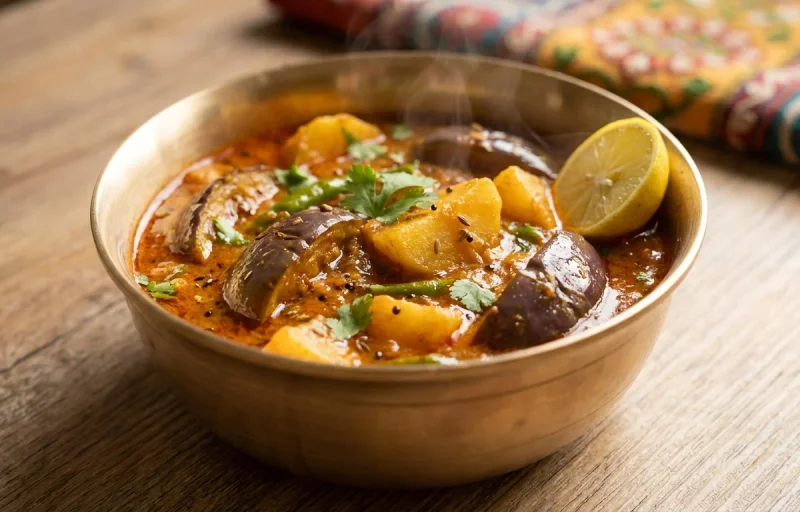
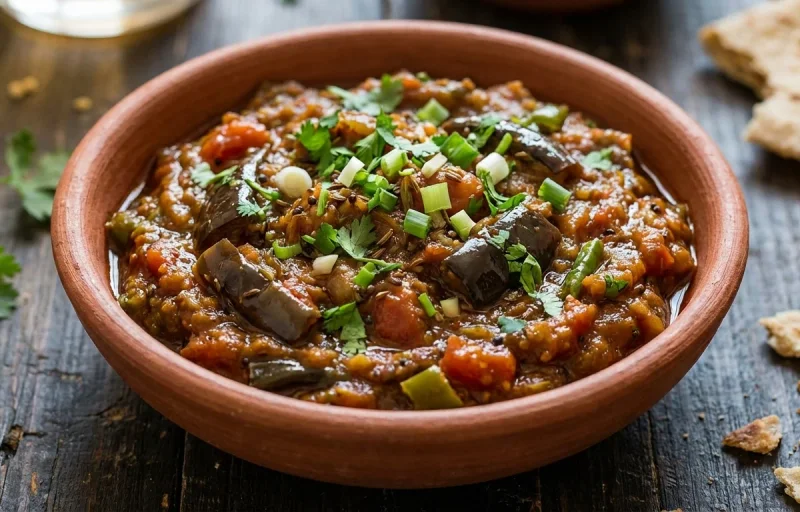
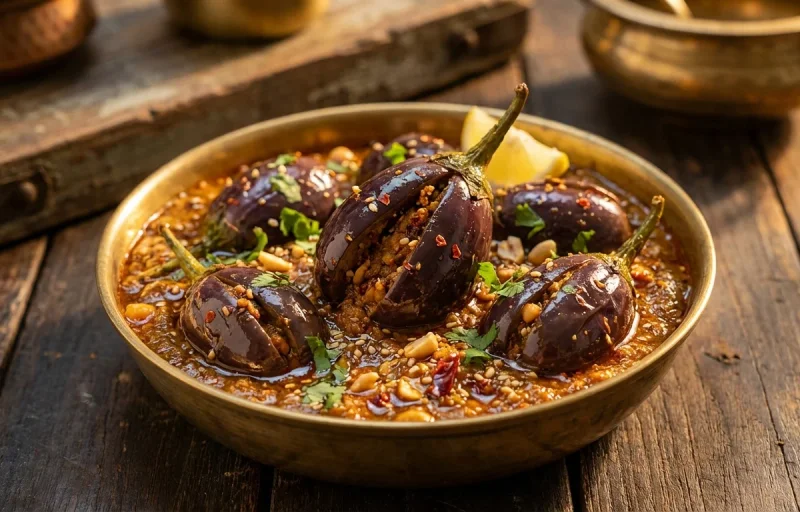
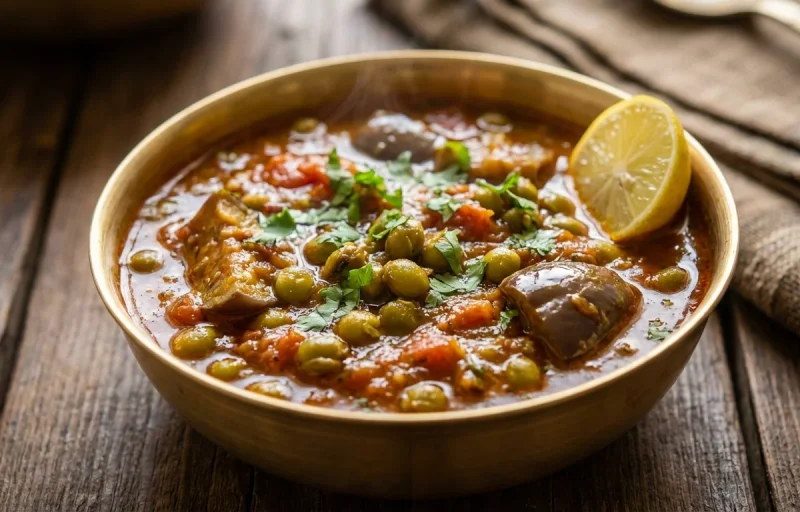
- 4Eggplant pairs well with strong flavors like garlic, tomato, basil, and is excellent in curries, stir-fries, and dips like baba ghanoush.
STORAGE
Keep it fresh.
- Store whole, unwashed eggplant in the crisper drawer of the refrigerator for up to one week.
- Avoid storing near ethylene-producing fruits like bananas and apples, as it can hasten spoilage.
FAQ
Frequently asked questions.
Is ringan healthy?
Yes, ringan is highly nutritious and low in calories, providing only 25 calories per 100g. It is a great source of dietary fiber, antioxidants like nasunin, and essential minerals such as manganese, which support heart and bone health.
Is ringan good for weight loss?
Ringan is excellent for weight loss because it is very low in fat (0.18g per 100g) and high in fiber. The fiber content helps you feel full for longer periods, reducing overall calorie intake throughout the day.
Is ringan keto-friendly?
Yes, ringan is considered keto-friendly. With only 5.88g of total carbohydrates per 100g and a significant portion of that being fiber, it has a low net carb count that fits well within a ketogenic or low-carb diet.
What are the health benefits of the antioxidants in ringan?
Ringan contains a potent antioxidant called nasunin, primarily found in its purple skin. Nasunin helps protect cell membranes from damage, particularly in brain cells, and may help reduce inflammation in the body.
Can diabetics eat ringan?
Yes, ringan is beneficial for people with diabetes. Its high fiber content slows the rate of digestion and sugar absorption, while its polyphenols may help reduce sugar absorption and increase insulin secretion, helping to control blood sugar levels.
How do you cook ringan?
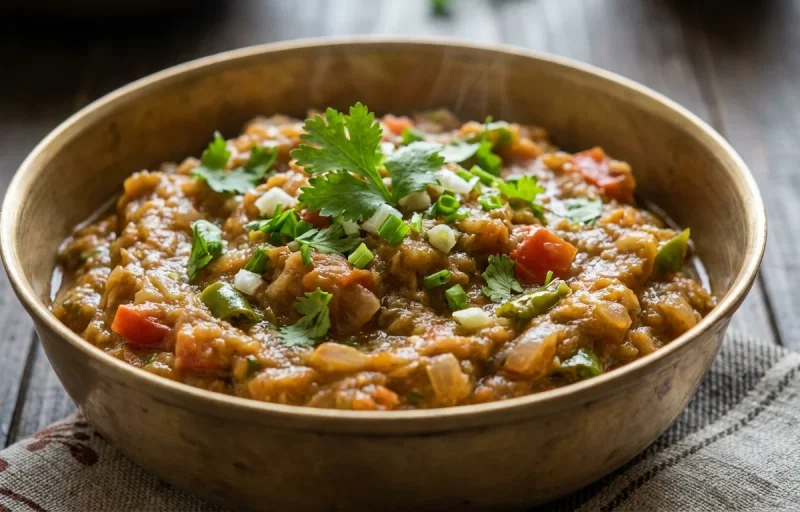
Ringan can be roasted, grilled, sautéed, or steamed. It is commonly used in dishes like Baingan Bharta, curries, or sliced and grilled as a meat substitute. To reduce bitterness and oil absorption, you can sprinkle salt on slices and let them sit for 20 minutes before cooking.
What does ringan taste like?
Raw ringan has a firm, spongy texture and a slightly bitter taste. When cooked, the texture becomes soft and creamy, and the flavor mellows into a mild, savory taste that easily absorbs the flavors of spices and sauces.
Do I need to peel ringan before cooking?
Peeling is not necessary and is often discouraged because the skin contains the highest concentration of antioxidants and fiber. However, if the ringan is very large or old, the skin may become tough and bitter, in which case peeling might be preferred.
How do you store ringan and how long does it last?
Store whole ringan in the refrigerator's crisper drawer, where it will typically stay fresh for 5 to 7 days. It is sensitive to ethylene gas, so keep it away from fruits like apples and bananas to prevent it from spoiling prematurely.
How do you know if ringan is fresh?
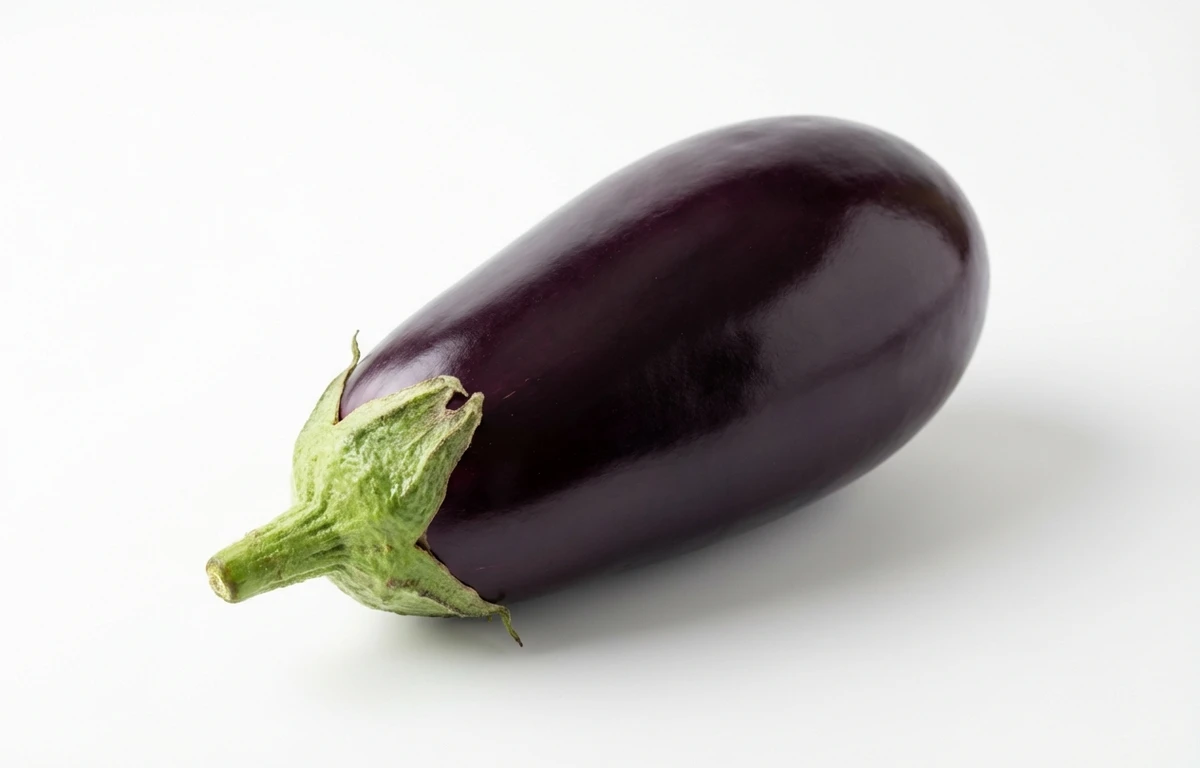
A fresh ringan should have smooth, shiny skin and feel heavy for its size. When you press it lightly, it should spring back; if an indentation remains, it may be overripe. The stem should be bright green and free of mold.
RECIPES
Cook with ringan.
0 recipes · sorted by what’s quick