
Fruit
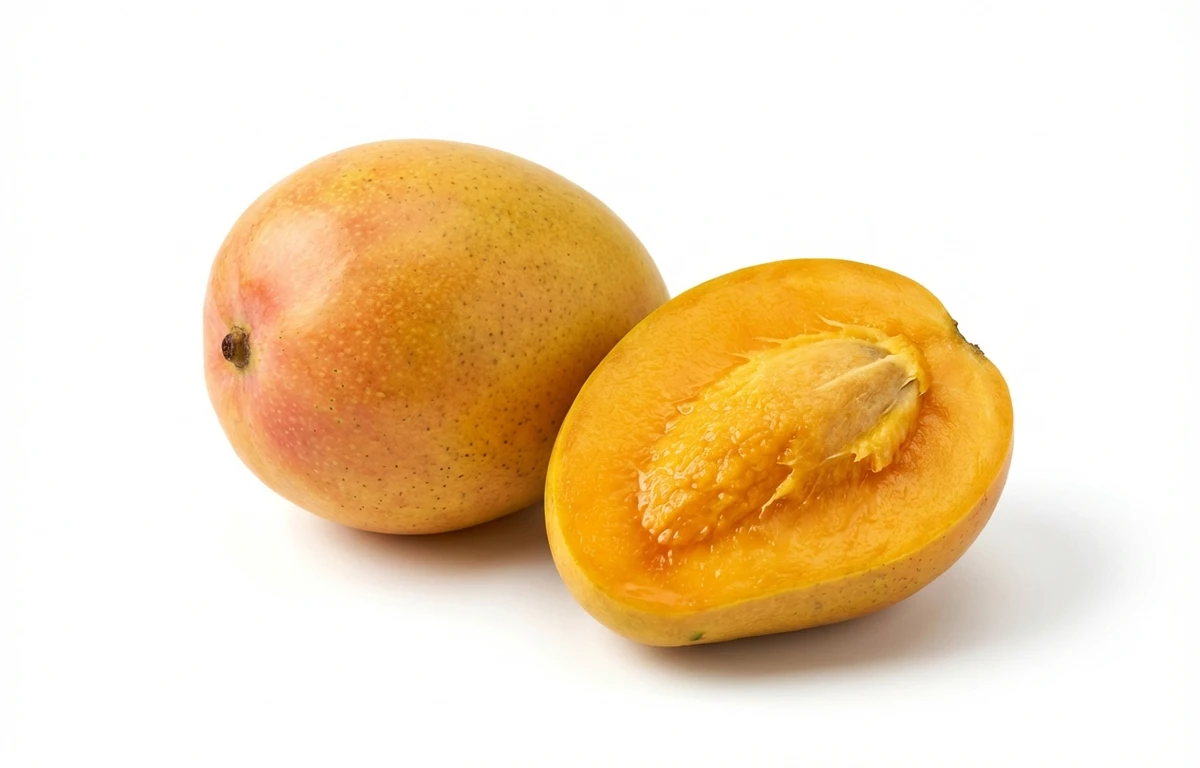
ripe gulabkhas mango.
VegetarianVeganGluten-freeDairy-freeNut-freePeanut-freeSoy-freeEgg-freeShellfish-freeHoney-freeAlcohol-free
ALSO KNOWN AS
ripe gulab khasripe rose-scented mangopaka gulabkhasripe gulabkhas aam
SERVING
CALORIES
65
PROTEIN
0.80g
CARBS
16.5g
FAT
0.30g
FIBER
1.6g
This ingredient is flagged as naturally gluten-free. Per 100 g, it provides 4.2 µg of vitamin K.
NUTRITION PROFILE · per 100 g
Everything in this ingredient.
MACRONUTRIENTS
Calories65kcal—
Protein0.80g2%
Carbohydrates16.5g6%
Fiber1.6g6%
Sugar14.2g28%
Total fat0.30g0%
Saturated fat0.08g0%
Trans fat0g—
Cholesterol0mg0%
Water82.5g—
MINERALS
Sodium1.0mg0%
Potassium168mg4%
Calcium11mg1%
Iron0.16mg1%
Magnesium10mg2%
Phosphorus14mg1%
Zinc0.09mg1%
Copper0.11mg12%
Manganese0.06mg3%
Selenium0.60µg1%
VITAMINS
Vitamin A54µg6%
Vitamin C36.4mg40%
Vitamin D0µg0%
Vitamin E0.90mg6%
Vitamin K4.2µg4%
Thiamin (B1)0.03mg3%
Riboflavin (B2)0.04mg3%
Niacin (B3)0.67mg4%
Pantothenic acid (B5)0.20mg4%
Vitamin B60.12mg7%
Biotin (B7)1.0µg3%
Folate (B9)43µg11%
Vitamin B120µg0%
%DV based on a 2,000 cal diet. Source: USDA FoodData Central. A dash in the %DV column means there’s no established Daily Value for that nutrient.
MEASUREMENT CONVERSIONS
How much is what.
1 cup165g
1 tablespoon15g
1 oz28.4g
1 lb453.6g
1 piece250g
HEALTH BENEFITS
Why eat it.
- ✓Contains dietary fiber that aids in healthy digestion
- ✓Natural source of potassium which supports heart health
COOKING TIPS
In the kitchen.
- 1Best served chilled to enhance the unique rose-like aroma
- 2Avoid over-blending if making pulp to maintain some texture
- 3Pairs exceptionally well with creamy bases like yogurt or coconut milk
STORAGE
Keep it fresh.
- Store at room temperature until fully ripe and fragrant
- Once ripe, refrigerate in a breathable bag for up to 5 days
- For long-term storage, peel and cube the flesh and freeze in airtight containers
FAQ
Frequently asked questions.
How can I tell if a Gulabkhas mango is ripe?
Look for a distinct rosy-red blush on the skin and a sweet, floral aroma near the stem. It should yield slightly to gentle pressure.
What makes Gulabkhas mangoes unique?
They are famous for their rosy flavor and aroma, hence the name 'Gulab' (rose). They typically have a non-fibrous, orange-yellow pulp.
Can I freeze ripe Gulabkhas mango?
Yes, peel and cut the mango into cubes, then freeze them on a tray before transferring to a freezer bag. They last up to 6 months.
What is a good substitute for Gulabkhas mango?
Alphonso or Kesar mangoes are the best substitutes due to their sweetness and lack of fiber, though they lack the specific rose aroma.
How should I clean the mango before eating?
Wash the skin thoroughly under cold running water to remove any sap or surface residue before cutting.
What are common dishes made with this mango?
It is popular for making Aamras (mango pulp), mango lassi, fruit salads, and premium mango-based desserts.
When is Gulabkhas mango in season?
It is typically available during the peak summer months, usually from May to June, primarily in North India and Bihar.
Does it contain any allergens?
Mangoes are not common allergens, but some people may experience 'mango itch' from the urushiol found in the skin and sap.



















