
Fruit
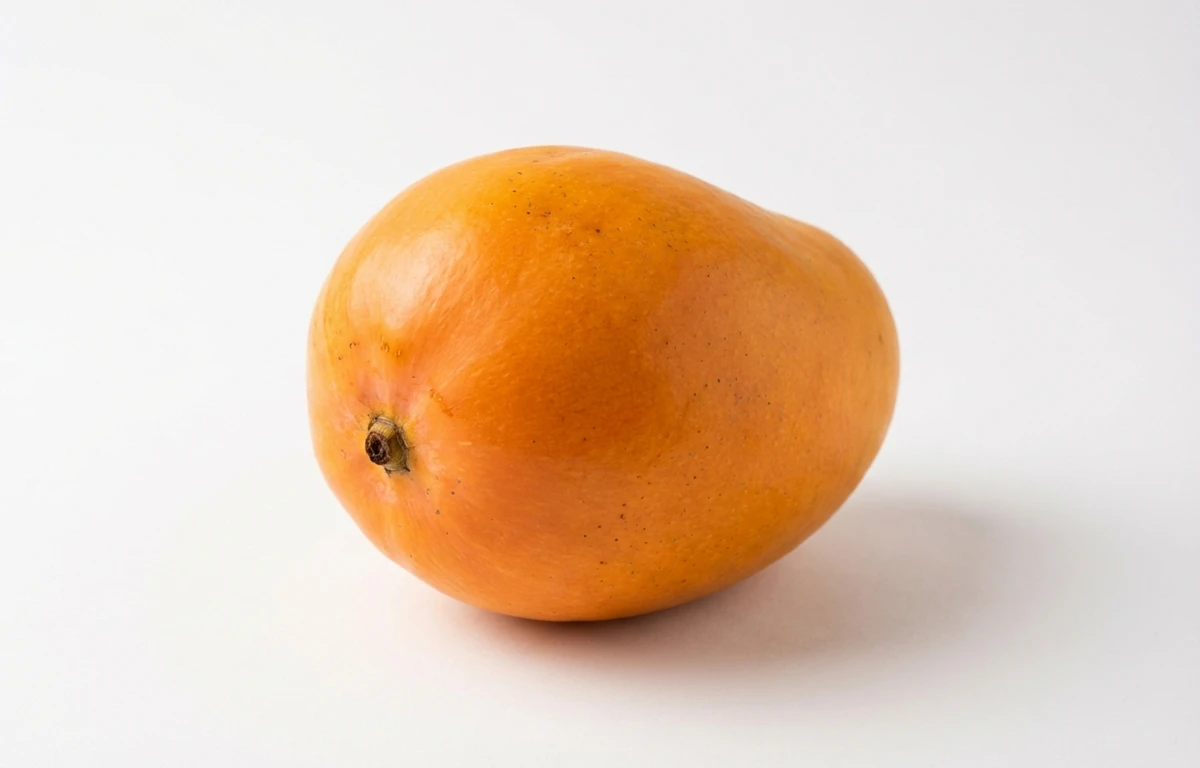
ripe kesar mango.
VegetarianVeganGluten-freeDairy-freeNut-freePeanut-freeSoy-freeEgg-freeShellfish-freeHoney-freeAlcohol-free
ALSO KNOWN AS
ripe gir kesarripe kesar aamripe saffron mango
SERVING
CALORIES
60
PROTEIN
0.80g
CARBS
15g
FAT
0.38g
FIBER
1.6g
NUTRITION PROFILE · per 100 g
Everything in this ingredient.
MACRONUTRIENTS
Calories60kcal—
Protein0.80g2%
Carbohydrates15g5%
Fiber1.6g6%
Sugar13.7g27%
Total fat0.38g0%
Saturated fat0.09g0%
Trans fat0g—
Cholesterol0mg0%
Water83.5g—
MINERALS
Sodium1.0mg0%
Potassium168mg4%
Calcium11mg1%
Iron0.16mg1%
Magnesium10mg2%
Phosphorus14mg1%
Zinc0.09mg1%
Copper0.11mg12%
Manganese0.06mg3%
Selenium0.60µg1%
VITAMINS
Vitamin A54µg6%
Vitamin C36.4mg40%
Vitamin D0µg0%
Vitamin E0.90mg6%
Vitamin K4.2µg4%
Thiamin (B1)0.03mg3%
Riboflavin (B2)0.04mg3%
Niacin (B3)0.67mg4%
Pantothenic acid (B5)0.20mg4%
Vitamin B60.12mg7%
Biotin (B7)1.7µg6%
Folate (B9)43µg11%
Vitamin B120µg0%
%DV based on a 2,000 cal diet. Source: USDA FoodData Central. A dash in the %DV column means there’s no established Daily Value for that nutrient.
MEASUREMENT CONVERSIONS
How much is what.
1 cup225g
1 oz28.4g
1 lb453.6g
1 piece250g
HEALTH BENEFITS
Why eat it.
- ✓High in Vitamin C which boosts the immune system
- ✓Contains digestive enzymes like amylases that aid gut health
- ✓Rich in Vitamin A and beta-carotene for eye health
- ✓Provides antioxidants that protect against oxidative stress
- ✓High folate content supports healthy cell division
COOKING TIPS
In the kitchen.
- 1Best consumed raw to enjoy the unique saffron-like aroma and sweetness
- 2Blend into a smooth pulp to make traditional 'Aamras'
- 3Add to salads or salsas for a sweet and tangy flavor profile
STORAGE
Keep it fresh.
- Store unripe mangoes at room temperature until they become soft and fragrant
- Once fully ripe, store in the refrigerator to extend shelf life for up to 5 days
- Can be peeled, cubed, and frozen in airtight bags for up to 6 months
FAQ
Frequently asked questions.
How can I tell if a Kesar mango is ripe?
A ripe Kesar mango will have a distinct sweet aroma at the stem end and will yield slightly to gentle pressure. The skin color usually turns from green to a bright yellow-orange.
What is the best way to store ripe Kesar mangoes?
Keep them in the refrigerator to slow down the ripening process; they will stay fresh for about 3 to 5 days.
Can I freeze Kesar mangoes?
Yes, you can freeze the pulp or cubes. Peel and cut the fruit, place in a single layer on a tray to freeze, then transfer to a freezer-safe bag.
What is a good substitute for Kesar mango?
Alphonso mangoes are the best substitute due to their similar sweetness and texture, though any high-quality fiberless mango will work.
How do I clean and prep a Kesar mango?
Wash the skin thoroughly. You can either slice the 'cheeks' off the pit and scoop the flesh out, or peel the skin with a peeler and then slice the flesh.
Are Kesar mangoes high in sugar?
Yes, ripe Kesar mangoes are naturally high in fructose (fruit sugar), so they should be consumed in moderation by those monitoring blood sugar.
What are common dishes made with Kesar mango?
Common uses include Aamras, mango lassi, mango puddings, cheesecakes, and fresh fruit salads.
When is Kesar mango season?
The peak season for Kesar mangoes is typically from April to June, primarily grown in the Gujarat region of India.



















