
animal product
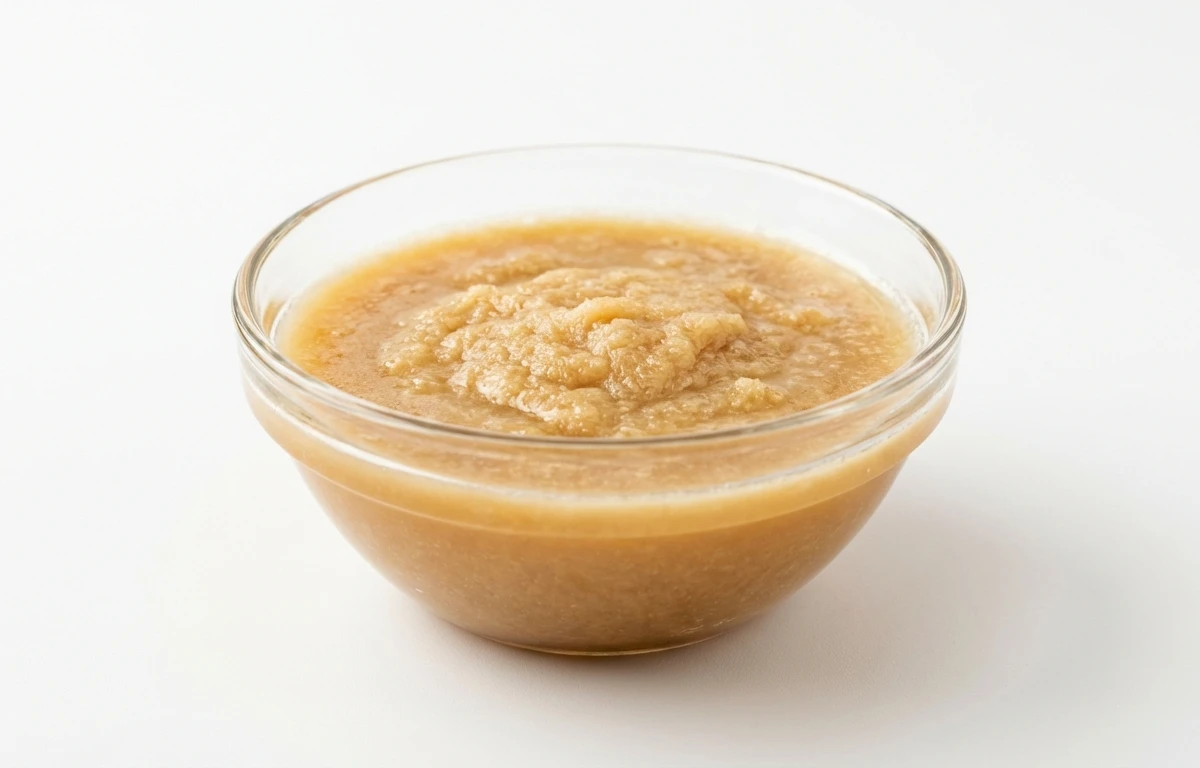
Roast Drippings Fat.
VegetarianVeganGluten-freeDairy-freeNut-freePeanut-freeSoy-freeEgg-freeShellfish-freeHoney-freeAlcohol-free
SERVING
CALORIES
890
PROTEIN
0g
CARBS
0g
FAT
99.1g
FIBER
0g
NUTRITION PROFILE · per 100 g
Everything in this ingredient.
MACRONUTRIENTS
Calories890kcal—
Protein0g0%
Carbohydrates0g0%
Fiber0g0%
Sugar0g0%
Total fat99.1g127%
Saturated fat40.5g203%
Trans fat0.50g—
Cholesterol95mg32%
Water0.10g—
MINERALS
Sodium10mg0%
Potassium0mg0%
Calcium0mg0%
Iron0mg0%
Magnesium0mg0%
Phosphorus0mg0%
Zinc0mg0%
Copper0mg0%
Manganese0mg0%
Selenium0µg0%
VITAMINS
Vitamin A0µg0%
Vitamin C0mg0%
Vitamin D0µg0%
Vitamin E0mg0%
Vitamin K0µg0%
Thiamin (B1)0mg0%
Riboflavin (B2)0mg0%
Niacin (B3)0mg0%
Pantothenic acid (B5)0mg0%
Vitamin B60mg0%
Folate (B9)0µg0%
Vitamin B120µg0%
%DV based on a 2,000 cal diet. Source: USDA FoodData Central. A dash in the %DV column means there’s no established Daily Value for that nutrient.
MEASUREMENT CONVERSIONS
How much is what.
1 cup150g
1 tablespoon7.4g
1 teaspoon4g
1 oz3.5g
1 lb0.2g
1 liter0.1g
HEALTH BENEFITS
Why eat it.
- ✓Provides concentrated energy
- ✓Enhances flavor of dishes
- ✓Aids absorption of fat-soluble vitamins (if present in other foods)
COOKING TIPS
In the kitchen.
- 1Use as a flavorful cooking fat for roasting vegetables or searing meats.
- 2Incorporate into gravies or sauces for added richness and depth.
- 3Can be used to make Yorkshire puddings or crispy roasted potatoes.
STORAGE
Keep it fresh.
- Store in an airtight container in the refrigerator for up to 1-2 weeks.
- Freeze in small portions for longer storage, up to 3-6 months.
- Ensure it's completely cooled before storing to prevent condensation.
FAQ
Frequently asked questions.
Is roast drippings fat healthy?
Roast drippings fat is a concentrated source of energy and flavor, but it should be consumed in moderation. While it helps the body absorb fat-soluble vitamins (A, D, E, and K) from other foods, it is very high in calories and saturated fats, which can impact heart health if overconsumed.
How many calories and fat are in roast drippings?
Roast drippings fat is extremely calorie-dense, containing approximately 890 calories and 99.1 grams of fat per 100g. It contains virtually no carbohydrates or protein, making it a pure fat source.
Is roast drippings fat keto-friendly?
Yes, roast drippings fat is highly keto-friendly and ideal for low-carb diets. Since it contains zero carbohydrates and is almost entirely fat, it serves as an excellent fuel source for those in ketosis.
Is roast drippings fat vegan or vegetarian?
No, roast drippings fat is an animal product collected during the meat roasting process. It is not suitable for vegans or vegetarians.
How do you use roast drippings fat in cooking?
It is most commonly used to create rich gravies, roast crispy potatoes, or as a flavorful base for sautéing vegetables. It provides a deep, savory 'umami' profile that standard vegetable oils cannot replicate.
What does roast drippings fat taste like?
It has a rich, concentrated, and savory flavor profile. The specific taste depends on the meat it came from—beef drippings are robust and earthy, while poultry drippings are lighter and more delicate.
How do you store roast drippings fat?
Store it in a clean, airtight container in the refrigerator. For the best results and longest shelf life, strain the fat through a fine-mesh sieve or cheesecloth while liquid to remove any meat particles that could cause spoilage.
How long does roast drippings fat last?
When properly strained and refrigerated, roast drippings fat can last for 3 to 6 months. If it develops a rancid smell, changes color significantly, or shows signs of mold, it should be discarded.
Can I freeze roast drippings fat?
Yes, roast drippings fat freezes very well and can last for up to a year in the freezer. Freezing it in ice cube trays is a practical way to portion out small amounts for future use in soups or stews.
Is roast drippings fat the same as lard or tallow?
They are similar but not identical. While lard (pork) and tallow (beef) are pure rendered fats, roast drippings often contain concentrated juices and seasonings from the roasting process, giving them a more complex flavor than plain rendered fats.
SAME CATEGORY



















