spice
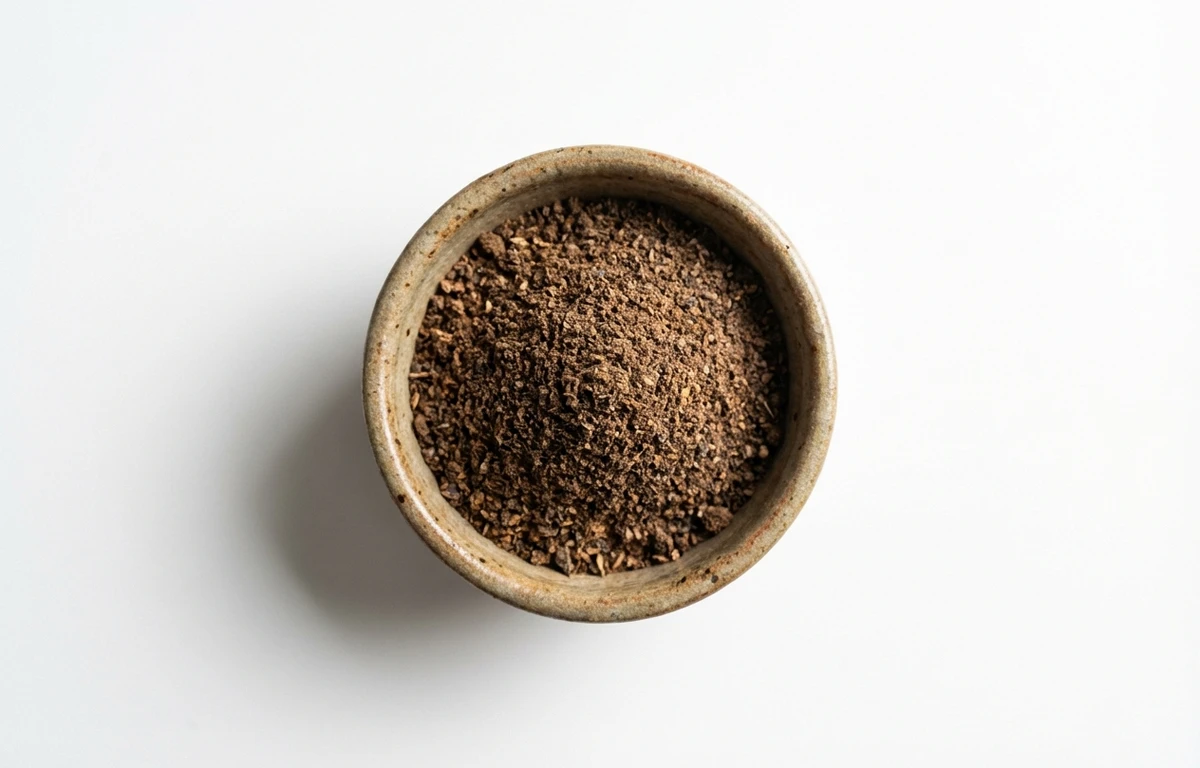
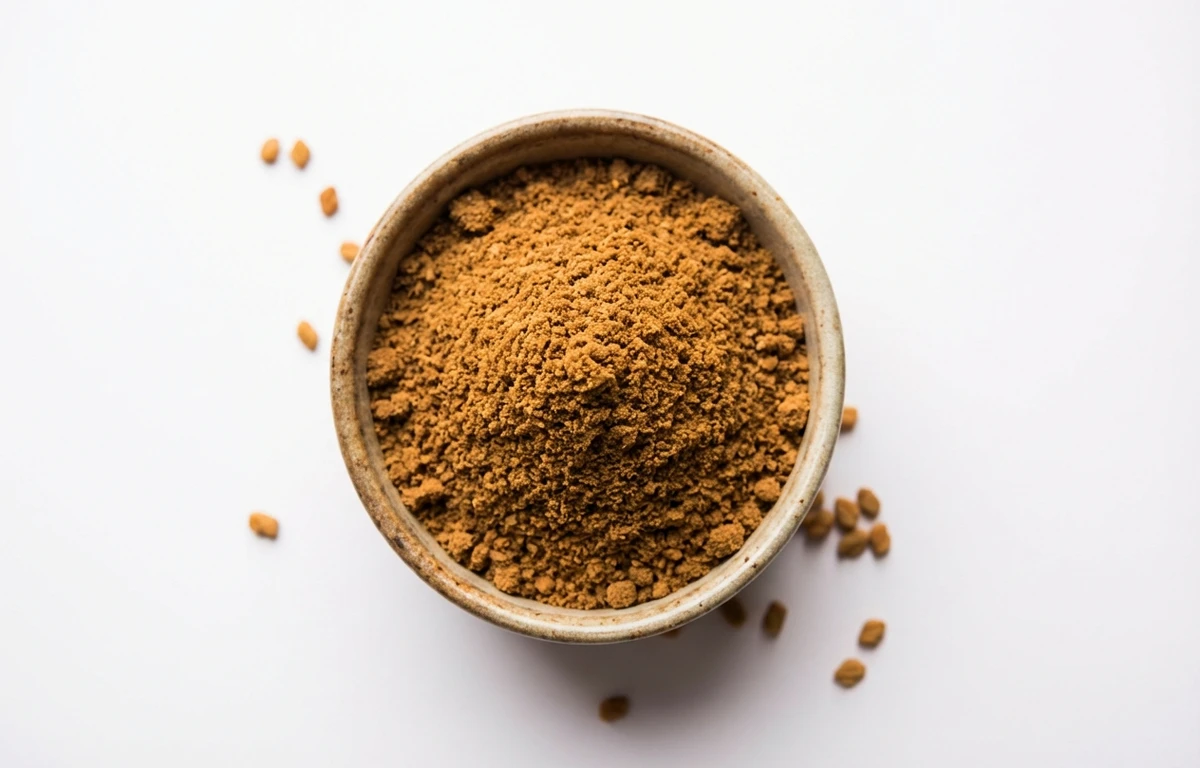
Roasted Fenugreek Powder.
VegetarianVeganGluten-freeDairy-freeNut-freePeanut-freeSoy-freeEgg-freeShellfish-freeHoney-freeAlcohol-free
ALSO KNOWN AS
Roasted Methi PowderBhuna Methi PowderRoasted Fenugreek Seed PowderGround Roasted FenugreekRoasted Methi Churan
SERVING
CALORIES
323
PROTEIN
23g
CARBS
58.3g
FAT
6.4g
FIBER
24.6g
NUTRITION PROFILE · per 100 g
Everything in this ingredient.
MACRONUTRIENTS
Calories323kcal—
Protein23g46%
Carbohydrates58.3g21%
Fiber24.6g88%
Sugar0g0%
Total fat6.4g8%
Saturated fat1.5g8%
Trans fat0g—
Cholesterol0mg0%
Water8.8g—
MINERALS
Sodium67mg3%
Potassium770mg16%
Calcium176mg14%
Iron33.5mg186%
Magnesium191mg45%
Phosphorus296mg24%
Zinc2.5mg23%
Copper1.1mg122%
Manganese1.2mg52%
Selenium6.3µg11%
VITAMINS
Vitamin A3.0µg0%
Vitamin C3.0mg3%
Vitamin D0µg0%
Vitamin E0mg0%
Vitamin K0µg0%
Thiamin (B1)0.32mg27%
Riboflavin (B2)0.37mg28%
Niacin (B3)1.6mg10%
Pantothenic acid (B5)0.60mg12%
Vitamin B60.60mg35%
Folate (B9)57µg14%
Vitamin B120µg0%
%DV based on a 2,000 cal diet. Source: USDA FoodData Central. A dash in the %DV column means there’s no established Daily Value for that nutrient.
MEASUREMENT CONVERSIONS
How much is what.
1 cup144g
1 tablespoon9g
1 teaspoon3g
1 oz28.4g
1 lb453.6g
1 ml0.7g
1 liter650g
HEALTH BENEFITS
Why eat it.
- ✓Helps regulate blood sugar levels and improve insulin sensitivity
- ✓Aids in digestion and helps relieve constipation or bloating
- ✓Rich source of iron, which helps in preventing anemia
- ✓Contains anti-inflammatory compounds that may reduce internal swelling
- ✓Traditionally used to support healthy lactation in nursing mothers
COOKING TIPS
In the kitchen.
- 1Add towards the end of the cooking process to prevent the spice from becoming overly bitter
- 2Use sparingly as the flavor is very concentrated and can dominate a dish
- 3Excellent for tempering dals, flavoring pickles, or adding to spice rubs for meats
STORAGE
Keep it fresh.
- Store in an airtight glass container to preserve the volatile oils and aroma
- Keep in a cool, dark, and dry place away from direct sunlight and heat
- Ensure the container is completely dry before refilling to prevent mold growth
FAQ
Frequently asked questions.
How long does roasted fenugreek powder last?
When stored in an airtight container in a cool, dark place, it typically maintains its potency for 6 to 12 months.
Can I freeze roasted fenugreek powder?
Yes, you can freeze it in an airtight, moisture-proof container to extend its shelf life, though it is not strictly necessary if kept dry.
How do I identify high-quality roasted fenugreek powder?
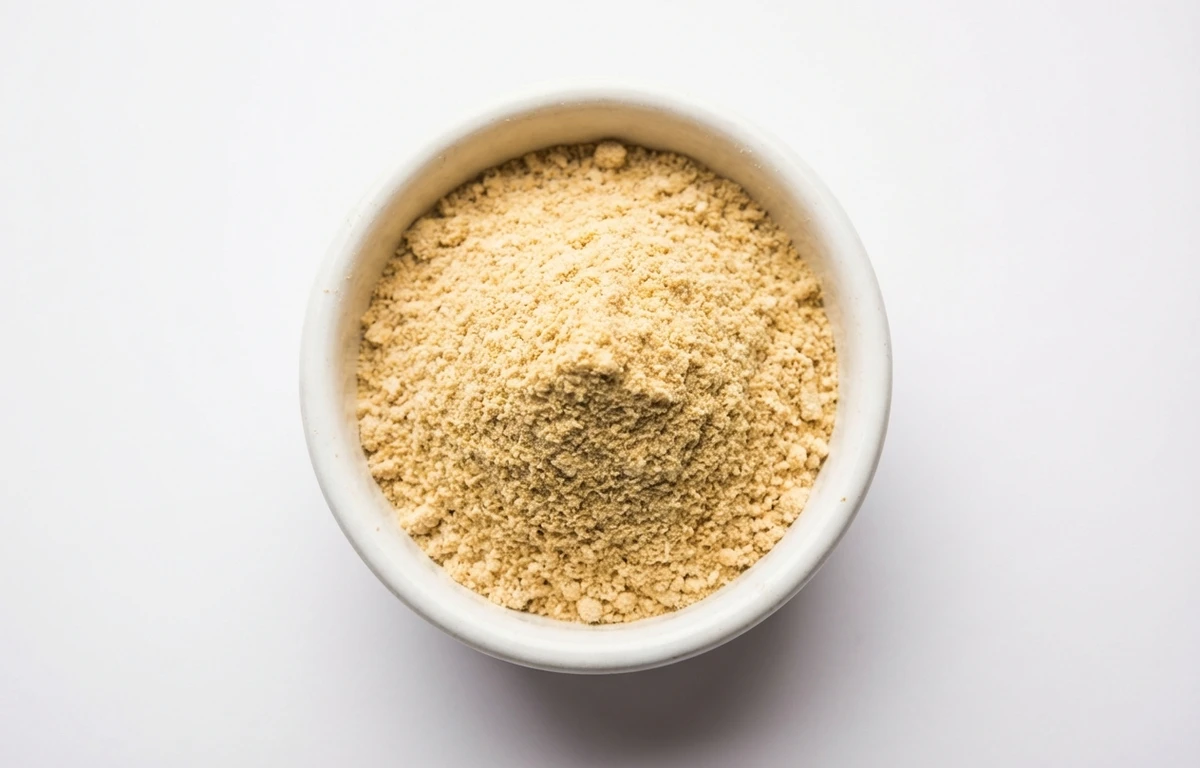
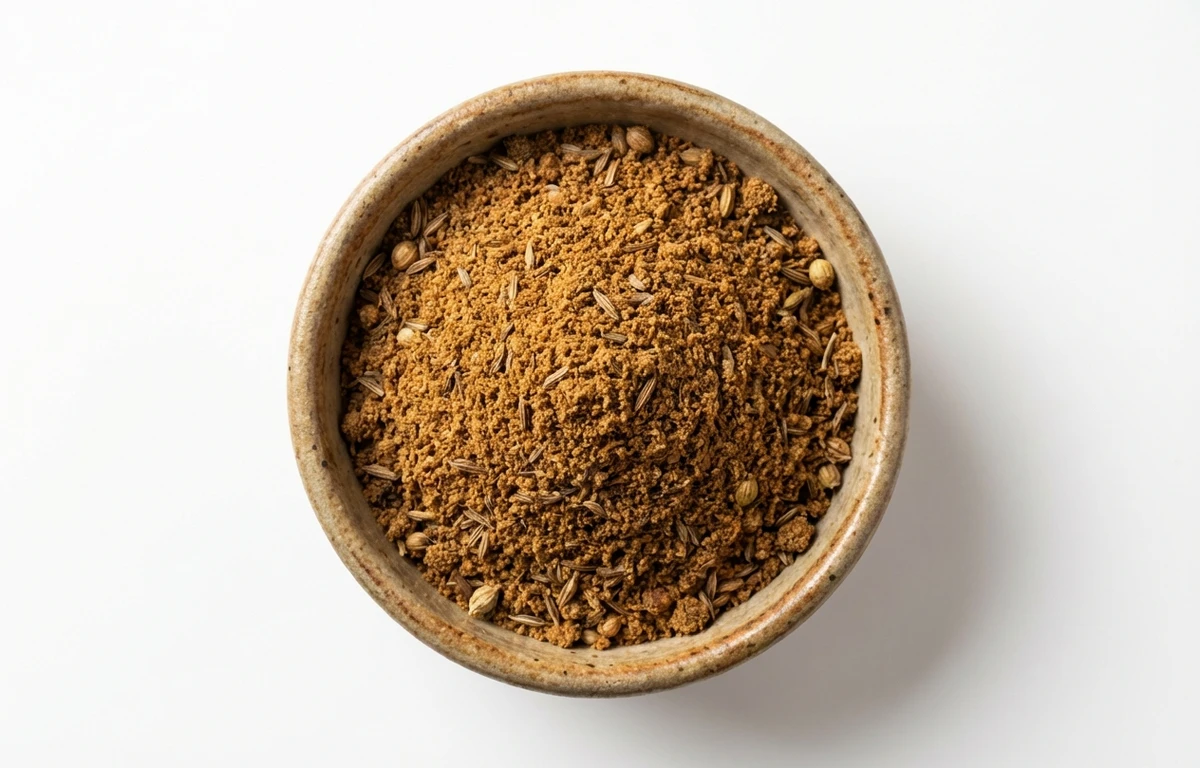
Look for a fine, uniform texture and a deep tan or reddish-brown color. It should have a strong, nutty, and slightly maple-like aroma.
What is a good substitute for roasted fenugreek powder?
You can use raw fenugreek seeds (dry roast them yourself and grind) or, in a pinch, a small amount of maple syrup combined with yellow mustard seeds for a similar flavor profile.
How do I prepare this at home?
Dry roast whole fenugreek seeds on low heat until they turn a shade darker and become aromatic, then let them cool completely before grinding into a fine powder.
Is roasted fenugreek powder bitter?
Yes, it has a characteristic bitter taste, but roasting the seeds before grinding significantly mellows the bitterness compared to raw powder.
What are the common uses in Indian cuisine?
It is frequently used in sambar powder, pickles (achaar), vegetable curries, and as a digestive aid in buttermilk.
Is it safe for everyone to consume?
While generally safe as a spice, individuals with chickpea allergies may react to fenugreek, and pregnant women should consult a doctor before consuming large amounts.
Does it contain gluten?
No, pure roasted fenugreek powder is naturally gluten-free.
Why is it used in diabetic diets?
It contains fiber and chemicals that slow down the digestion of carbohydrates and sugar, helping to manage blood glucose levels.