
Nut Seed
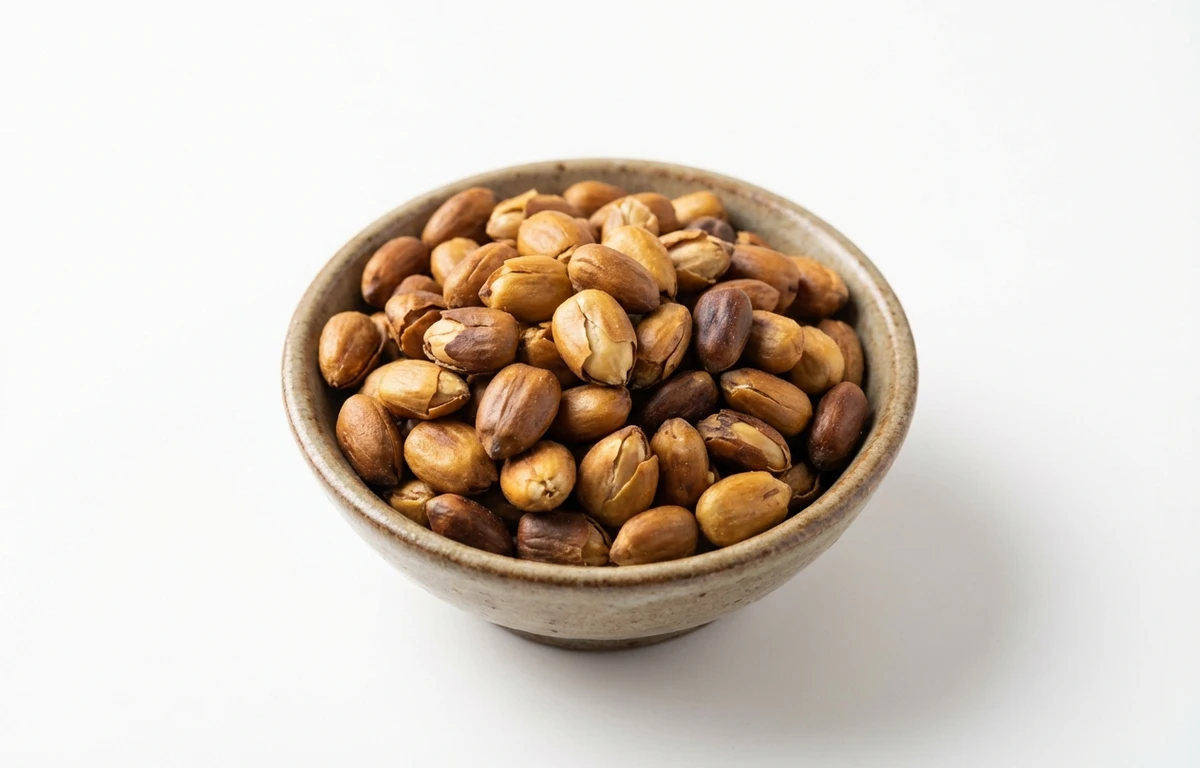
roasted glandless cottonseed kernels.
VegetarianVeganGluten-freeDairy-freeNut-freePeanut-freeSoy-freeEgg-freeShellfish-freeHoney-freeAlcohol-free
ALSO KNOWN AS
cottonseed kernels
SERVING
CALORIES
506
PROTEIN
39g
CARBS
23g
FAT
36g
FIBER
6.0g
NUTRITION PROFILE · per 100 g
Everything in this ingredient.
MACRONUTRIENTS
Calories506kcal—
Protein39g78%
Carbohydrates23g8%
Fiber6.0g21%
Sugar3.5g7%
Total fat36g46%
Saturated fat9.5g48%
Trans fat0g—
Cholesterol0mg0%
Water2.5g—
MINERALS
Sodium15mg1%
Potassium1100mg23%
Calcium150mg12%
Iron8.0mg44%
Magnesium500mg119%
Phosphorus900mg72%
Zinc6.5mg59%
Copper1.2mg133%
Manganese2.5mg109%
Selenium15µg27%
VITAMINS
Vitamin A0µg0%
Vitamin C0mg0%
Vitamin D0µg0%
Vitamin E25mg167%
Vitamin K0µg0%
Thiamin (B1)0.80mg67%
Riboflavin (B2)0.20mg15%
Niacin (B3)2.5mg16%
Pantothenic acid (B5)0.50mg10%
Vitamin B60.60mg35%
Folate (B9)120µg30%
Vitamin B120µg0%
%DV based on a 2,000 cal diet. Source: USDA FoodData Central. A dash in the %DV column means there’s no established Daily Value for that nutrient.
MEASUREMENT CONVERSIONS
How much is what.
1 cup149g
1 tablespoon10g
1 teaspoon3.3g
1 ml0.7g
1 liter666.7g
HEALTH BENEFITS
Why eat it.
- ✓Rich source of plant-based protein, supporting muscle maintenance and growth.
- ✓High in heart-healthy unsaturated fats, including oleic and linoleic acids.
- ✓Good source of dietary fiber, which aids in digestion and promotes satiety.
- ✓Contains antioxidants like tocopherols (Vitamin E), which help protect cells from damage.
COOKING TIPS
In the kitchen.
- 1Sprinkle over salads, yogurt, or oatmeal for a nutty flavor and crunchy texture, similar to sunflower seeds.
- 2Grind into a flour or meal to incorporate into baked goods like bread, muffins, or cookies for a protein boost.
- 3Enjoy as a standalone snack, seasoned with salt, spices, or a touch of sweetness.
- 4Blend with oil and seasonings to create a unique seed butter, similar to tahini.
STORAGE
Keep it fresh.
- Store in an airtight container in a cool, dark, and dry place to prevent the oils from becoming rancid.
- For longer-term storage (up to 6 months), refrigeration is recommended to maintain freshness.
FAQ
Frequently asked questions.
Are roasted glandless cottonseed kernels healthy?
Yes, they are highly nutritious, offering 39g of protein per 100g and a wealth of heart-healthy unsaturated fats. They are also a good source of dietary fiber and antioxidants like Vitamin E, which help protect cells from oxidative stress.
How much protein is in roasted glandless cottonseed kernels?
These kernels are an exceptional protein source, containing approximately 39g of protein per 100g. This is significantly higher than most other seeds and nuts, making them an excellent choice for muscle growth and repair.
What does 'glandless' mean in this context?
'Glandless' refers to a specific variety of cotton plant bred to be free of gossypol, a naturally occurring pigment that is toxic to humans in standard cottonseeds. This makes glandless kernels safe, edible, and highly nutritious for human consumption.
Are roasted glandless cottonseed kernels keto-friendly?
Yes, they are suitable for a keto or low-carb diet. While they contain 23g of carbs per 100g, their high fat (36g) and protein (39g) content, combined with dietary fiber, fits well within macro limits when consumed in moderation.
Are these kernels vegan and gluten-free?
Yes, roasted glandless cottonseed kernels are naturally vegan and gluten-free. They serve as an excellent plant-based protein alternative for individuals with gluten sensitivities or those following a strict vegan lifestyle.
What do roasted glandless cottonseed kernels taste like?
They have a mild, nutty, and slightly savory flavor profile, often compared to sunflower seeds or roasted chickpeas. The roasting process enhances their earthiness and provides a satisfyingly crunchy texture.
How should I use these kernels in cooking?
They are versatile and can be eaten as a standalone snack, tossed into salads for crunch, or added to granola and trail mixes. They also work well as a nut-free topping for soups, yogurt, or incorporated into baked goods.
Can I use them as a substitute for nuts?
Yes, they are an ideal nut-free substitute for peanuts or sunflower seeds in most recipes. Because they have a similar texture and fat content, they can be used in pestos, crusts for proteins, or as a crunchy element in stir-fries.
How should I store roasted glandless cottonseed kernels?
Store them in an airtight container in a cool, dry, and dark place to prevent the healthy fats from becoming rancid. For long-term storage, they can be kept in the refrigerator or freezer to maintain freshness for up to a year.
Are they good for weight loss?
In moderation, yes. While they are calorie-dense at 506 calories per 100g, their high protein and fiber content promotes satiety, which can help reduce overall calorie intake by keeping you feeling full for longer.



















