spice
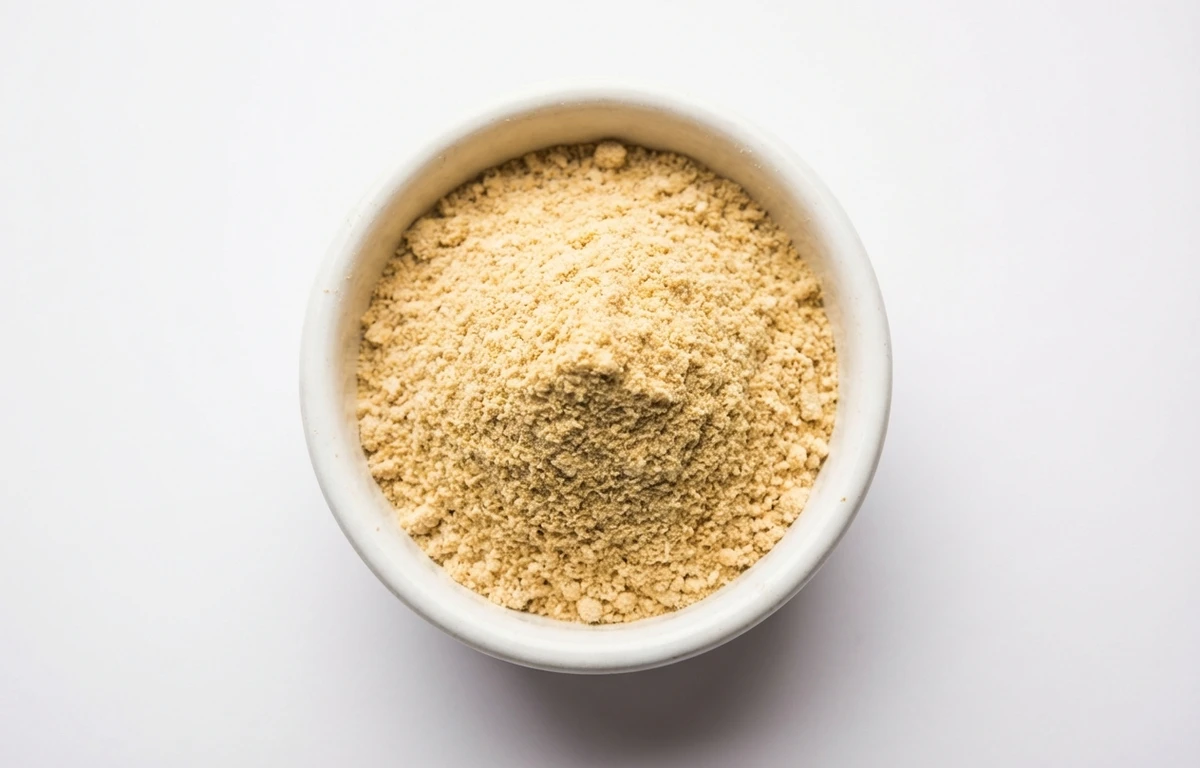
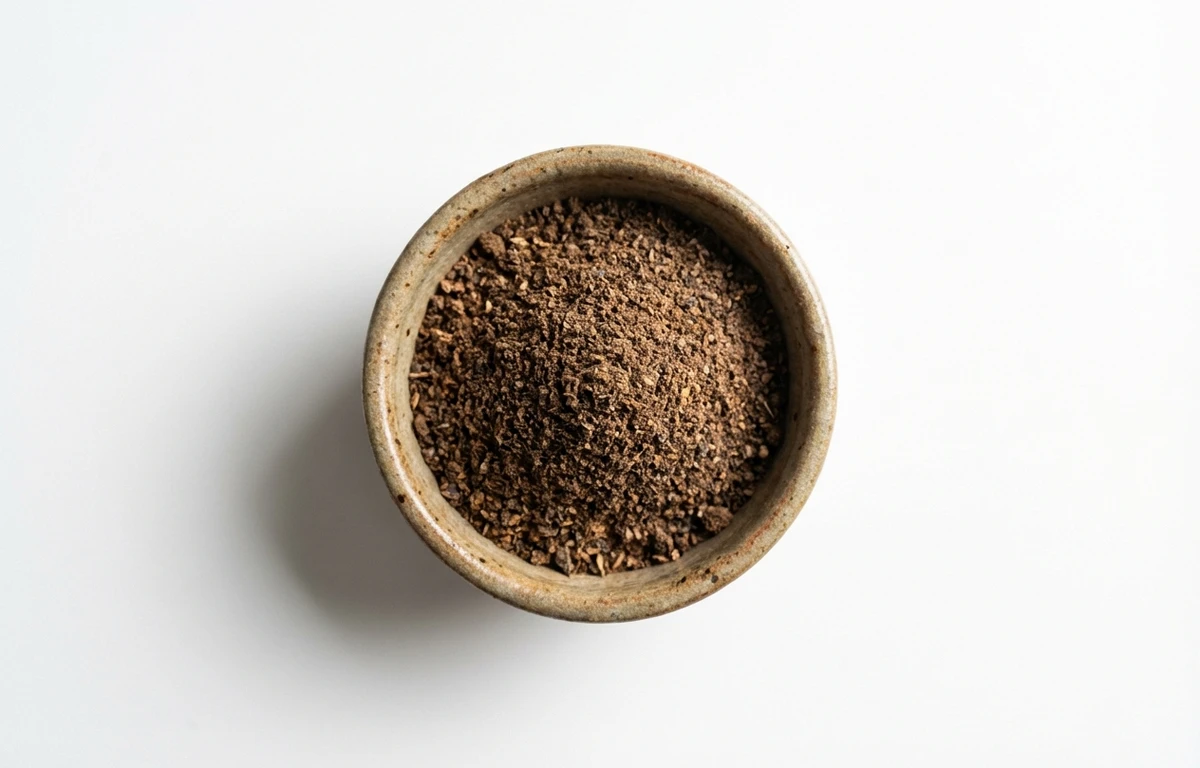
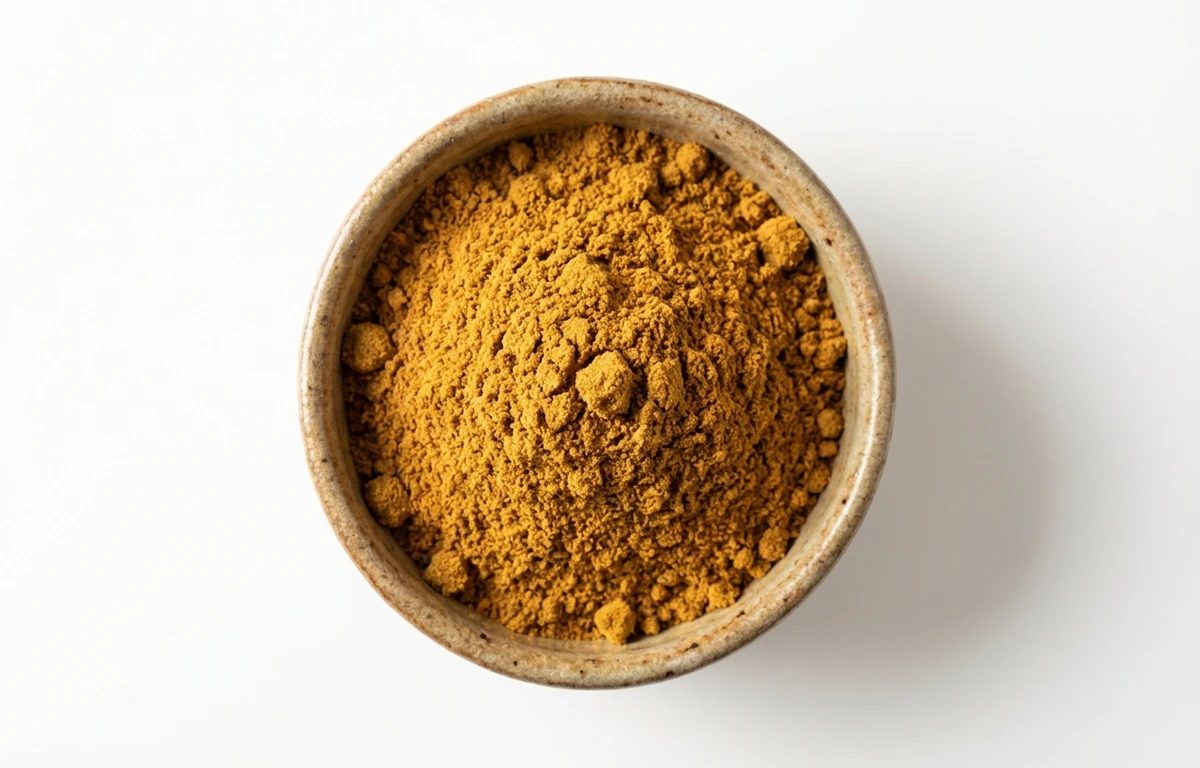
Roasted Mustard Powder.
VegetarianVeganGluten-freeDairy-freeNut-freePeanut-freeSoy-freeEgg-freeShellfish-freeHoney-freeAlcohol-free
ALSO KNOWN AS
Bhuna Rai PowderRoasted Mustard Seed PowderBhuna Sarson Powder
SERVING
CALORIES
508
PROTEIN
26.1g
CARBS
28.1g
FAT
36.2g
FIBER
12.2g
NUTRITION PROFILE · per 100 g
Everything in this ingredient.
MACRONUTRIENTS
Calories508kcal—
Protein26.1g52%
Carbohydrates28.1g10%
Fiber12.2g44%
Sugar6.8g14%
Total fat36.2g46%
Saturated fat1.9g10%
Trans fat0g—
Cholesterol0mg0%
Water5.3g—
MINERALS
Sodium13mg1%
Potassium738mg16%
Calcium266mg20%
Iron9.2mg51%
Magnesium370mg88%
Phosphorus828mg66%
Zinc6.1mg55%
Copper0.60mg67%
Manganese2.4mg104%
Selenium208µg378%
VITAMINS
Vitamin A3.0µg0%
Vitamin C7.1mg8%
Vitamin D0µg0%
Vitamin E19.8mg132%
Vitamin K5.4µg5%
Thiamin (B1)0.80mg67%
Riboflavin (B2)0.30mg23%
Niacin (B3)4.7mg29%
Pantothenic acid (B5)0.80mg16%
Vitamin B60.40mg24%
Folate (B9)76µg19%
Vitamin B120µg0%
%DV based on a 2,000 cal diet. Source: USDA FoodData Central. A dash in the %DV column means there’s no established Daily Value for that nutrient.
MEASUREMENT CONVERSIONS
How much is what.
1 cup136g
1 tablespoon8.5g
1 teaspoon2.8g
1 oz28.4g
1 lb453.6g
1 ml0.6g
1 liter550g
HEALTH BENEFITS
Why eat it.
- ✓Rich in selenium and magnesium which provide anti-inflammatory benefits
- ✓Contains glucosinolates which may help inhibit the growth of cancer cells
- ✓Good source of omega-3 fatty acids and antioxidants
- ✓May help in speeding up metabolism and improving digestion
- ✓Contains antimicrobial properties that help in food preservation
COOKING TIPS
In the kitchen.
- 1Add towards the end of the cooking process to preserve its pungent flavor and aroma
- 2Mix with a little warm water to form a paste before adding to gravies for a smoother texture
- 3Use sparingly as roasting intensifies the nutty flavor but can become bitter if overused
STORAGE
Keep it fresh.
- Store in an airtight glass container to retain the volatile oils and aroma
- Keep in a cool, dark, and dry place away from direct sunlight
- Ensure the spoon used to scoop the powder is completely dry to prevent clumping
FAQ
Frequently asked questions.
How long does roasted mustard powder last?
When stored in an airtight container in a cool, dark place, it can last for 6 to 12 months. However, it is best used within 6 months for maximum flavor.
Can I freeze roasted mustard powder?
Yes, you can freeze it in an airtight, moisture-proof container to extend its shelf life up to 2 years, though it may lose some aromatic intensity.
What is the difference between regular and roasted mustard powder?
Roasted mustard powder has a deeper, nuttier, and slightly less sharp flavor compared to raw mustard powder, which is more pungent and 'hot'.
What can I use as a substitute for roasted mustard powder?
You can use regular mustard powder, ground mustard seeds, or even a small amount of Dijon mustard if the recipe allows for moisture.
How do I make roasted mustard powder at home?
Dry roast whole mustard seeds on low heat until they start to pop and release an aroma, let them cool completely, and then grind them into a fine powder.
Is roasted mustard powder gluten-free?
Pure roasted mustard powder is naturally gluten-free, but always check labels for cross-contamination if buying pre-packaged versions.
What are the common culinary uses for this spice?
It is widely used in Indian pickles (achars), Bengali fish curries, spice rubs for meats, and as a seasoning for roasted vegetables.
Does roasting mustard seeds change their nutritional value?
Roasting can slightly reduce some heat-sensitive vitamins like Vitamin C, but it generally preserves the mineral content and makes certain antioxidants more bioavailable.