
Loading...
Per 100g
Nutrition data source: USDA FoodData Central
Common measurement equivalents in grams
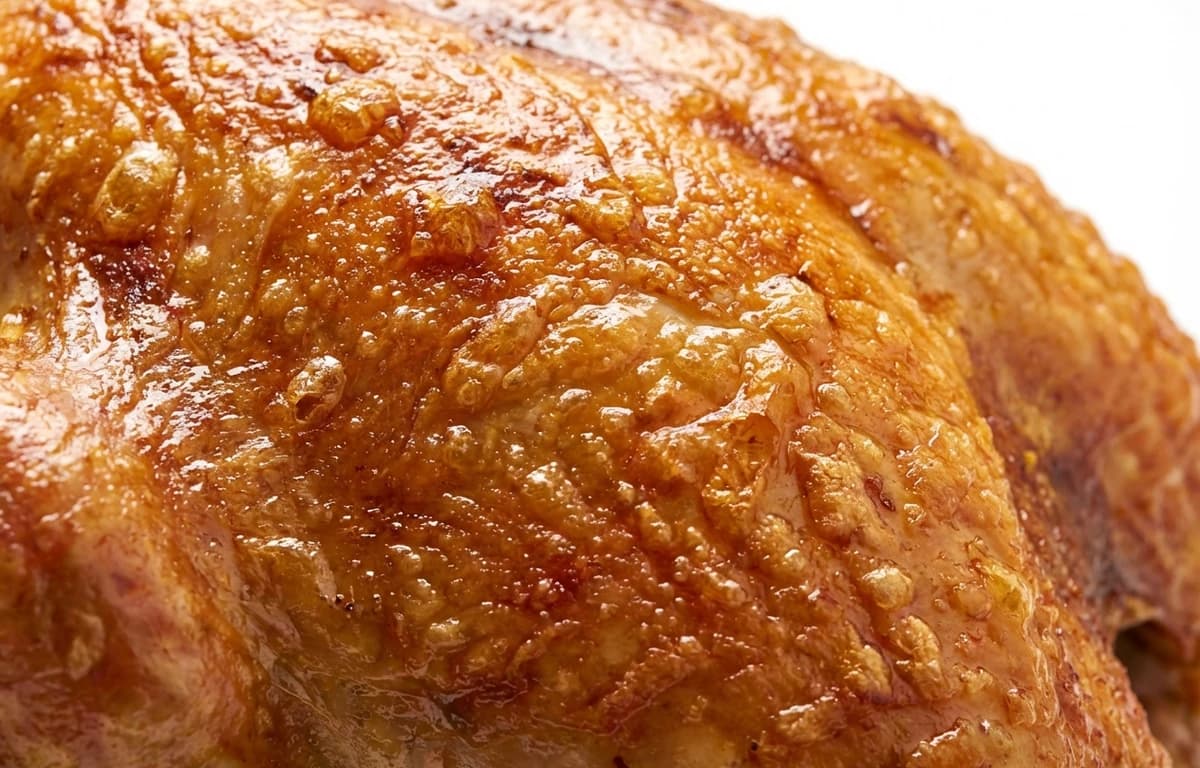
Roasted turkey skin is calorie-dense and high in fat, but it offers nutritional benefits like collagen for joint health and oleic acid, a heart-healthy monounsaturated fat. While it provides a good amount of protein, it should be consumed in moderation due to its high saturated fat content.
A 100g serving of roasted turkey skin contains approximately 451 calories and 40.31g of fat. It is a high-energy food with zero carbohydrates, making it a significant source of dietary lipids.
Yes, roasted turkey skin is highly keto-friendly because it contains 0g of carbohydrates and is very high in fat. It helps those on a ketogenic diet meet their daily fat macros while providing moderate protein.
Yes, turkey skin is a natural source of collagen. Consuming collagen-rich foods can help support skin elasticity, hair strength, and the health of connective tissues and joints.
Naturally, turkey skin is gluten-free. However, you must be cautious of seasonings, marinades, or flour-based rubs used during the roasting process, as these can introduce gluten to the final product.
To achieve maximum crispiness, pat the skin completely dry before cooking and rub it with salt and oil or butter. Roasting at a high temperature or using an air fryer helps render the fat and creates a crunchy texture.
While it is high in satiety due to the fat and protein content, it is also very high in calories (451 per 100g). If you are tracking calories for weight loss, it is best to consume it in small, controlled portions.
roasted turkey skin is a versatile ingredient found in cuisines around the world. With 451 calories per 100g and 22.15 grams of protein, it's a nutritious addition to many dishes.
Explore more ingredients in the poultry category with complete nutrition information.
View all poultry →Discover 0 recipes featuring roasted turkey skin with step-by-step instructions.
Browse recipes →Store leftover skin in an airtight container in the refrigerator for up to 4 days. To prevent it from becoming soggy, reheat it in a toaster oven or air fryer rather than a microwave to restore its crispy texture.
Leftover skin can be chopped into small pieces and used as a crunchy topping for salads, baked potatoes, or soups. You can also fry it further to make turkey 'cracklings' for a high-protein, low-carb snack.
Signs of spoilage include a slimy or tacky texture, a sour or ammonia-like odor, or any visible mold growth. If the skin has been left at room temperature for more than two hours, it should be discarded to avoid foodborne illness.